1. The Pregnancy Test That Changed Everything
In the early hours of an October morning in 2025, a 34-year-old woman in Jinan, Shandong Province, stared at a plastic stick and saw two pink lines. She had endured three failed IVF cycles over four years. Each time, her embryos — graded “good” by the embryologist’s eye — had arrested before day five, never reaching the blastocyst stage required for transfer.
What made her fourth cycle different was not a new hormone protocol, not a change of clinic, not a different sperm donor. It was a discovery made barely eighteen months earlier in a laboratory less than three kilometers from her hospital bed: the identification of a single protein — OTX2 — that acts as the molecular ignition switch for human embryonic development.
Her embryo, cultured with a protocol informed by the OTX2 findings, had activated its genome on schedule. It grew to a healthy blastocyst. It implanted. And on that October morning, it had become a pregnancy.
She is one of the earliest patients to benefit from a finding that the international scientific community has called “a foundational advance in developmental biology” — one that places China firmly at the vanguard of reproductive medicine.
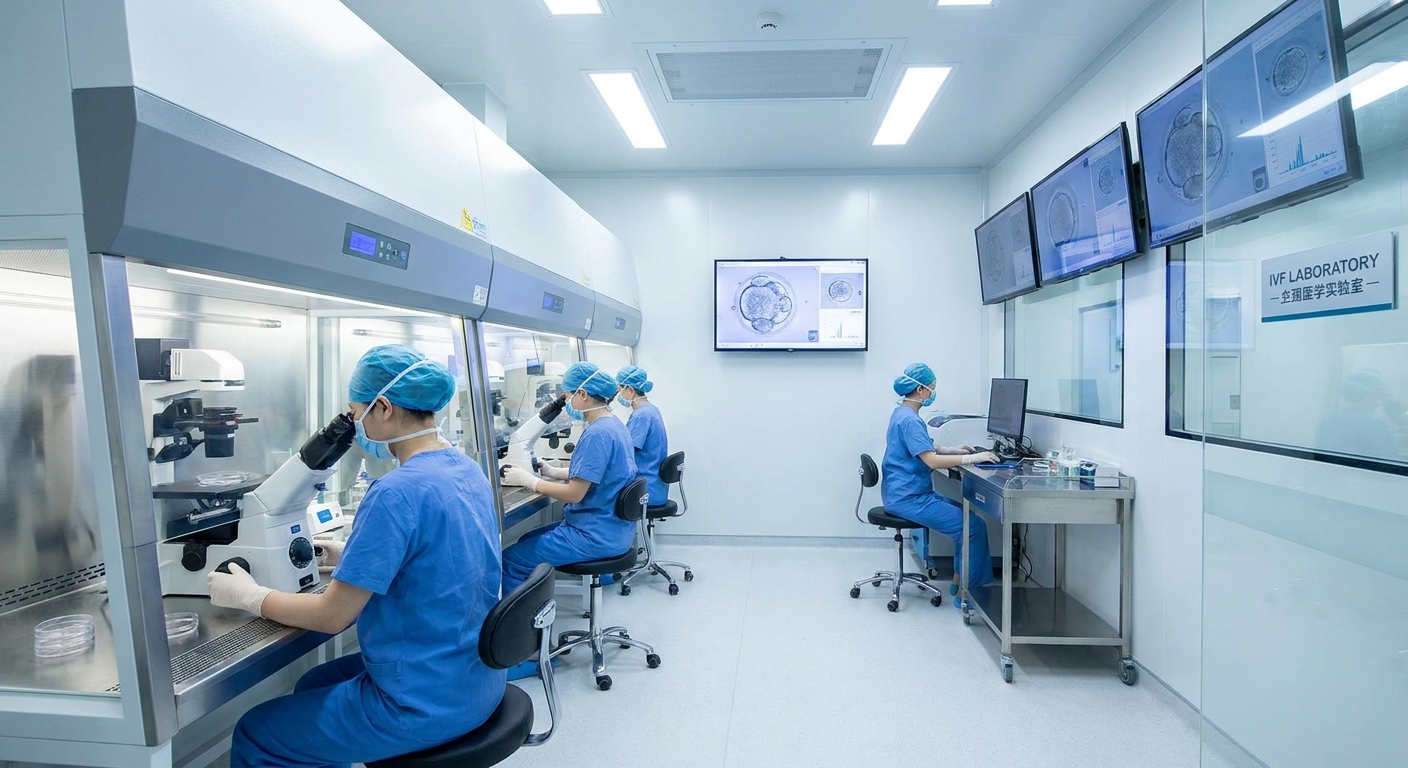
2. What Did the Chinese Team Discover? The OTX2 Master Switch
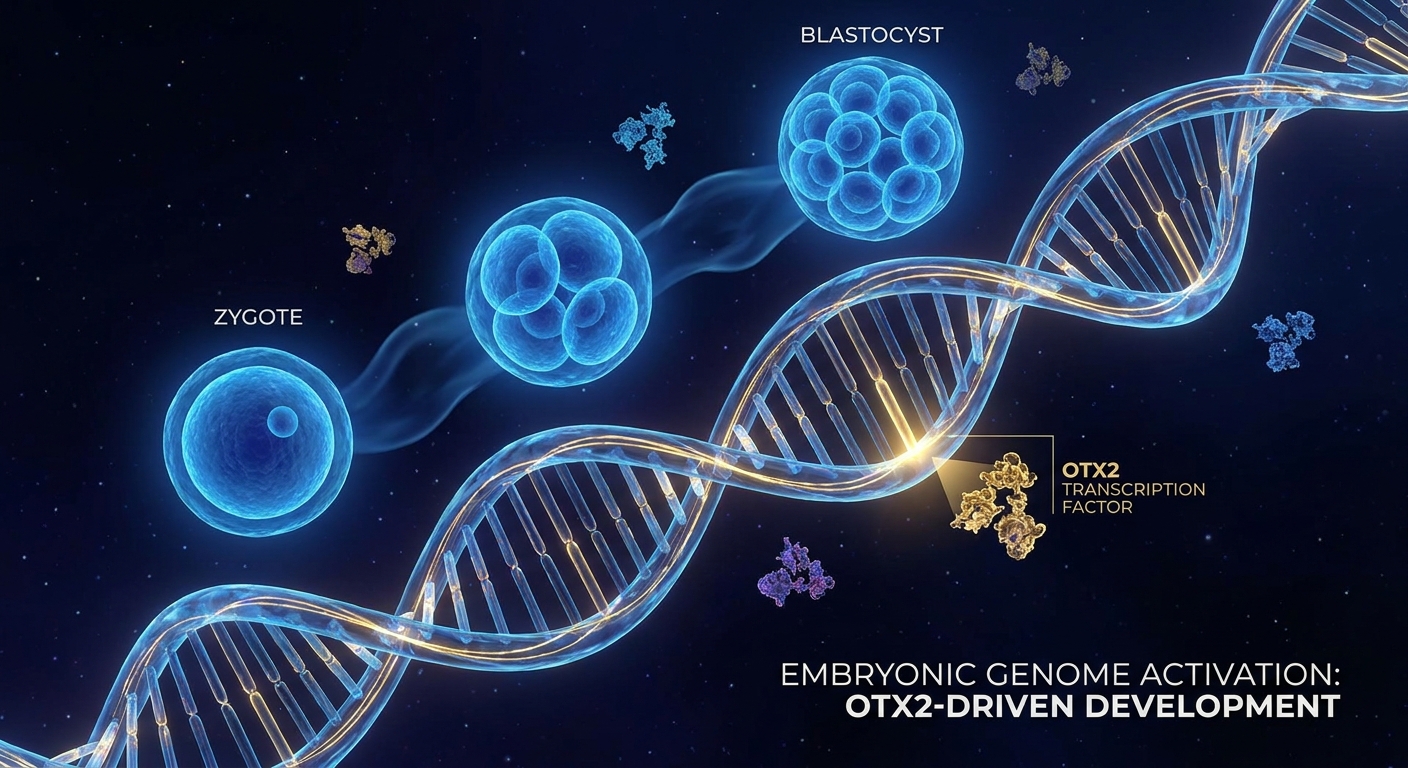
On October 27, 2025, the journal Nature Genetics — one of the world’s most prestigious scientific publications — published a paper that had been months in peer review. The title was understated: “Maternal factor OTX2 regulates human embryonic genome activation and early development.” The content was explosive.
A team led by Dr. Han Zhao at the Center for Reproductive Medicine, Shandong University — with first authors Qiuyan Wang and Chuanxin Zhang — had solved a puzzle that developmental biologists had been chasing for decades: what is the molecular trigger that wakes up the human embryo’s own genes?
For the first three days after fertilization, a human embryo runs entirely on maternal RNA — genetic instructions deposited in the egg before ovulation. Then, at roughly the eight-cell stage, something extraordinary happens: the embryo’s own genome switches on. This process, called embryonic genome activation (EGA), is the moment the embryo takes control of its own destiny. If EGA fails, the embryo arrests. There is no blastocyst, no implantation, no pregnancy.
What the Shandong team discovered is that a transcription factor called OTX2 — a protein previously studied mainly in brain and eye development — is the master regulator of this switch. OTX2, deposited by the mother into the oocyte, binds to and activates a cascade of genes essential for EGA, including two previously mysterious factors named TPRX1 and TPRX2.
The researchers demonstrated this through a series of decisive experiments:
- Knockdown experiments: When they silenced OTX2 in human embryos, embryonic genome activation failed. The embryos arrested before compaction.
- Rescue experiments: When they overexpressed TPRX1 and TPRX2 in OTX2-deficient embryos, development was partially restored — confirming the OTX2 → TPRX1/TPRX2 pathway as the critical axis.
- Chromatin analysis: Using cutting-edge CUT&Tag and RNA-seq techniques, they mapped precisely where OTX2 binds on the embryonic genome, revealing hundreds of target genes involved in cell division, pluripotency, and lineage specification.
- Cross-species validation: The findings were confirmed in both human and mouse embryos, establishing OTX2 as an evolutionarily conserved master regulator.
“Before this work, we knew EGA happened, but we didn’t know who flipped the switch,” said one independent reviewer. “Now we have the switch, and we have a wiring diagram. This changes how we think about every embryo in every IVF lab on Earth.”
3. The Science: How a Single Protein Wakes Up the Human Embryo
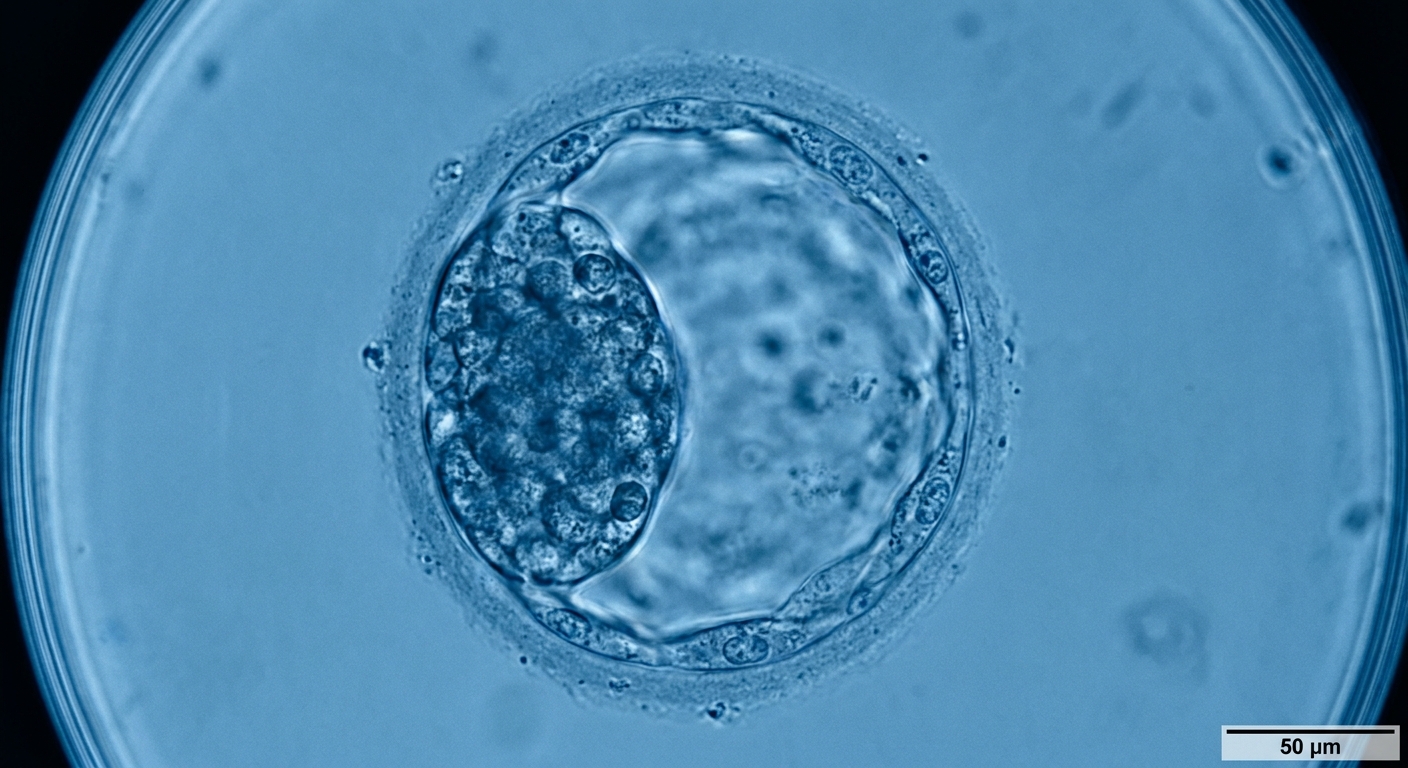
To grasp why the OTX2 embryo genome activation discovery matters, it helps to understand what happens — and what goes wrong — in the first 120 hours after fertilization.
The Silent Phase (Day 0–3)
Immediately after the sperm penetrates the egg, the newly formed zygote begins cleaving — dividing into two cells, then four, then eight. Throughout this period, the embryo is essentially running on autopilot. All the proteins and messenger RNA molecules it needs were packaged into the egg months earlier, during oocyte maturation in the mother’s ovary. The embryo’s own DNA remains largely silent, wrapped in a tightly packed chromatin state that prevents transcription.
The Handover (Day 3–4)
Around the eight-cell stage, maternal RNA begins to degrade. If the embryo’s own genome does not activate in time, the embryo runs out of instructions and dies. This is the most common point of failure in human IVF: an estimated 40–60% of embryos arrest between day 3 and day 5, never forming a blastocyst. This is the central problem of IVF embryo arrest — and the one the Shandong team may have cracked.
The Shandong team’s data show that OTX2 protein, deposited maternally, is present in the embryo from the moment of fertilization. But it only becomes active at the eight-cell stage, when chromatin remodeling exposes its target genes. OTX2 then binds to specific DNA sequences near genes like TPRX1, TPRX2, DUX4, and ZSCAN4 — all known or suspected players in genome activation — and recruits the transcriptional machinery needed to switch them on.
The Activation Cascade (Day 4–5)
Once OTX2 opens the gate, a cascade follows: TPRX1 and TPRX2 activate their own downstream targets; genes for cell adhesion (needed for compaction) switch on; genes that specify the inner cell mass (future fetus) and trophectoderm (future placenta) begin their divergent expression programs. By day 5, a healthy blastocyst has formed, ready for implantation.
Why Embryos Fail
The clinical implication is profound. Many embryos that arrest between day 3 and day 5 do so not because they are genetically abnormal, but because their genome activation machinery failed. OTX2 insufficiency — whether due to low maternal deposition, premature degradation, or sequence variants that reduce binding affinity — may explain a significant fraction of what clinicians have long called “unexplained embryo development failure.”
A companion study published in Nature Aging in August 2025 by a team at Nanjing University (Liu et al.) adds another dimension: the mevalonate metabolite pathway, which declines with maternal age, may impair the very cellular machinery — including cortical F-actin — that OTX2 depends on for its proper localization and function. This suggests that the OTX2 pathway is a node where multiple age-related fertility declines converge.
4. Why This Matters: China’s Three-Decade March to the Frontier of IVF
The OTX2 paper did not emerge from nowhere. It is the latest — and perhaps most consequential — milestone in China’s thirty-year ascent to the summit of reproductive medicine China.
China’s first IVF baby was born in 1988 at Peking University Third Hospital, under the direction of Dr. Zhang Lizhu. In the decades since, the country has built the world’s largest network of reproductive medicine centers, driven by a combination of demographic pressure (a declining birth rate that the government is desperate to reverse), massive research investment, and a regulatory environment that, on balance, has been more permissive than in many Western countries for certain types of embryo research.
Today, China performs an estimated one million IVF cycles per year, more than any other country. Over 300,000 babies are born annually through assisted reproduction in China. The country is home to several of the world’s largest single-site IVF centers: CITIC-Xiangya Hospital in Changsha alone performs over 40,000 cycles per year.
This scale has given Chinese researchers access to datasets and embryo cohorts that are unmatched anywhere. It has also created intense commercial competition among hospitals to offer the highest IVF success rates China — which in turn drives rapid translation of laboratory discoveries into clinical protocols.
The OTX2 breakthrough builds on a sustained wave of Chinese IVF research. In 2023–2026 alone, Chinese teams have published major findings on:
- AI-powered embryo selection — deep learning models that grade embryos from time-lapse images with accuracy exceeding human embryologists (multiple groups, 2024–2025)
- Oocyte rejuvenation — the mevalonate pathway discovery showing that aged oocyte quality can be partially restored through metabolic supplementation (Liu et al., Nature Aging, 2025)
- Non-invasive PGT-A — using spent culture medium to screen embryos for aneuploidy without biopsy, reducing cost and risk (multiple groups, 2023–2025)
- Stem-cell-derived ovarian support cells — a female reproductive tract-on-a-chip for sperm selection (Dai et al., Microsystems & Nanoengineering, 2026)
- Traditional Chinese Medicine augmentation — the Zishen Yutai Pill clinical trial showing increased live birth rates in women aged 35–42 undergoing IVF (Li et al., Nature Communications, 2025)
5. From Lab Bench to Bedside: Hospitals Already Translating the Science
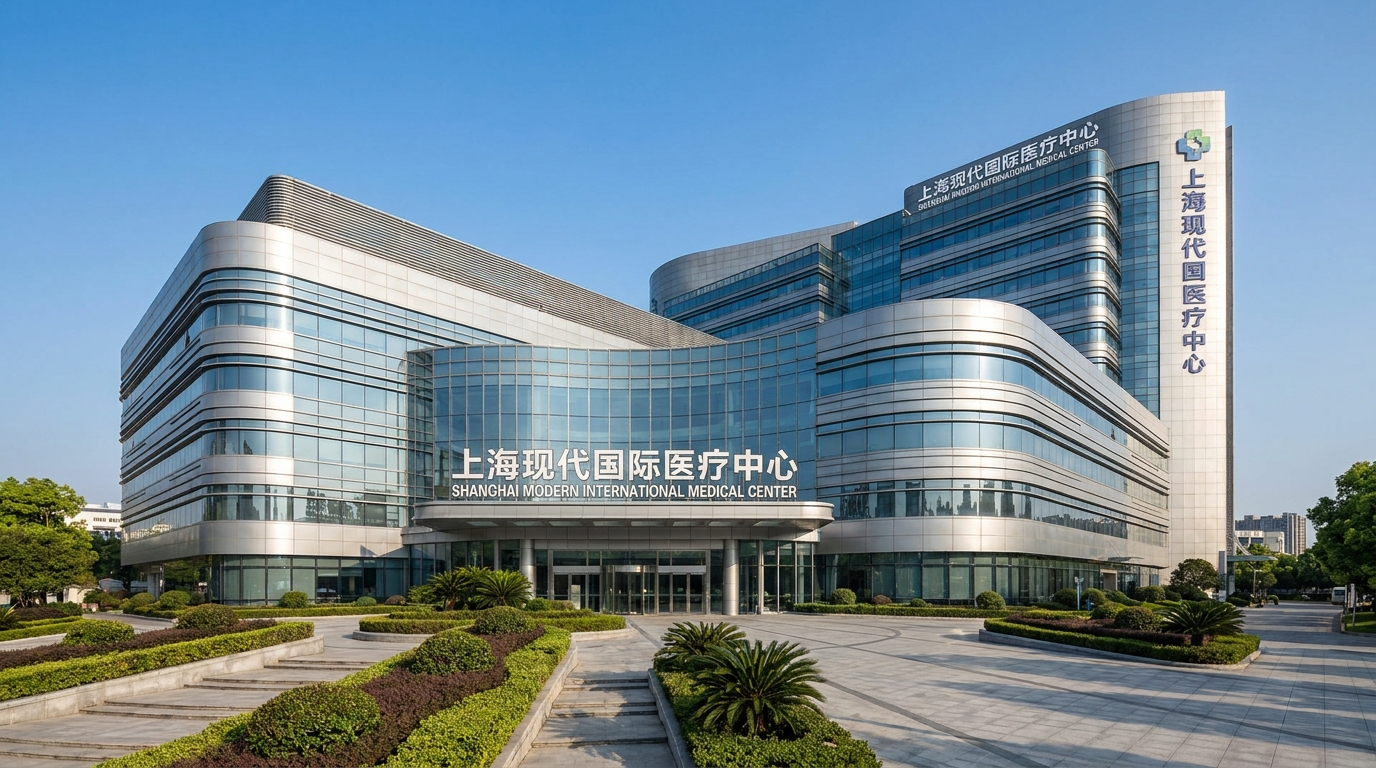
A scientific paper in Nature Genetics is, by itself, a milestone. But what transforms a paper into a patient outcome is the translational pipeline — and China’s is among the fastest in the world.
Within months of the OTX2 discovery’s preprint circulation in mid-2025, several major Chinese IVF centers began exploring clinical applications. Here are the key institutions at the forefront:
Shandong University Reproductive Hospital / Qilu Hospital of Shandong University (Jinan)
Role: The birthplace of the OTX2 discovery. Dr. Han Zhao’s team at the Center for Reproductive Medicine — one of China’s original “national key laboratories” for reproductive science — is leading the translational effort. The center has already incorporated OTX2 pathway analysis into its embryo culture medium optimization protocols. Because the OTX2 protein is maternally deposited, the research team is also developing assays to assess oocyte OTX2 levels before fertilization — potentially allowing clinicians to predict which oocytes are most likely to support successful genome activation.
- Annual IVF cycles: ~20,000
- Key physicians: Dr. Han Zhao, Dr. Chen Zijiang (Academician, Chinese Academy of Sciences)
Peking University Third Hospital — Reproductive Medicine Center (Beijing)
Role: China’s oldest and most prestigious IVF center, where the country’s first test-tube baby was born. Led by Academician Dr. Qiao Jie, the center has been integrating multi-omics embryo assessment — including transcriptomic profiling relevant to OTX2 target genes — into its clinical workflows. The center’s bioinformatics pipeline now includes an OTX2-pathway integrity score, calculated from spent culture medium RNA fragments.
- Annual IVF cycles: ~30,000
- Key physicians: Dr. Qiao Jie (Academician, Chinese Academy of Engineering), Dr. Li Rong
CITIC-Xiangya Hospital of Reproduction and Genetics (Changsha)
Role: The world’s largest single-site IVF center by cycle volume. CITIC-Xiangya, a collaboration between CITIC Group and Central South University’s Xiangya School of Medicine, has the scale to run large prospective studies. The hospital’s genetic testing division has begun screening for OTX2 pathway gene variants in couples with recurrent embryo arrest, and is developing a clinical-grade PCR panel for the OTX2-TPRX1/TPRX2 axis.
- Annual IVF cycles: ~40,000+
- Key physicians: Dr. Lu Guangxiu (pioneer of Chinese IVF), Dr. Lin Ge
Shanghai Ninth People’s Hospital — Assisted Reproduction Department (Shanghai)
Role: Known for its innovative mild-stimulation and natural-cycle IVF protocols, Shanghai Ninth — under Dr. Kuang Yanping — has pioneered approaches that reduce the hormonal burden on patients. The center is exploring whether OTX2-pathway assessment can help identify which patients are most likely to benefit from mild-stimulation approaches, potentially personalizing the choice between conventional and mild IVF.
- Annual IVF cycles: ~15,000
- Key physicians: Dr. Kuang Yanping
Other Notable Centers
- The First Affiliated Hospital of Sun Yat-sen University (Guangzhou) — integrating OTX2 findings into its preimplantation genetic testing programs
- Ruijin Hospital, Shanghai Jiao Tong University School of Medicine — developing metabolomic assays relevant to the OTX2-mevalonate pathway axis
- West China Second University Hospital, Sichuan University (Chengdu) — building a western-China patient cohort for OTX2-related biomarker studies
- Reproductive & Genetic Hospital of CITIC-Xiangya (Changsha) — expanding the commercial genetic testing panels for embryo arrest
6. The AI Layer: How Machine Learning Is Amplifying the OTX2 Discovery
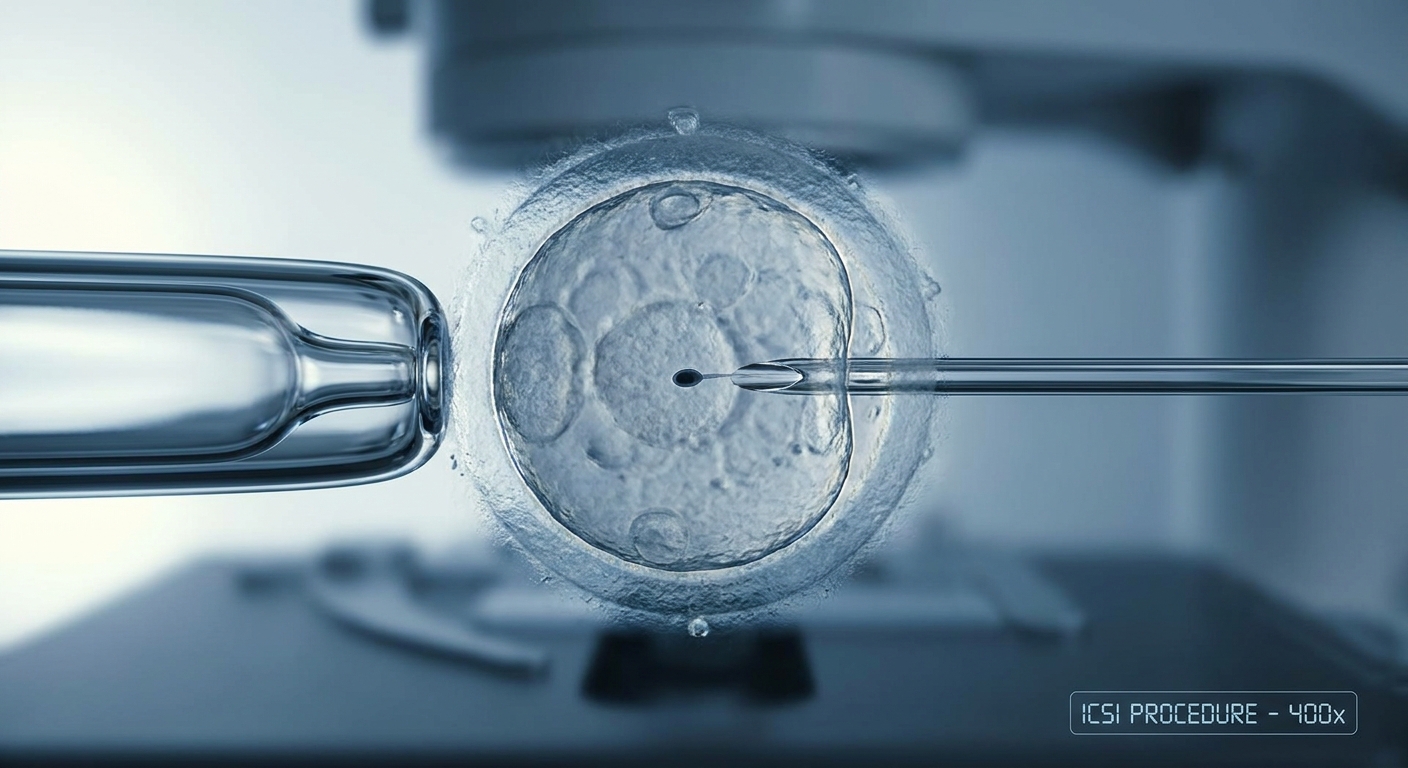
If the OTX2 discovery provides the biological “what,” artificial intelligence is increasingly providing the clinical “how.” Chinese IVF centers have been among the world’s earliest and most aggressive adopters of AI-assisted embryo assessment.
In July 2025, a team at a major Chinese fertility center published a machine-learning model in Scientific Reports (Huo et al.) that predicts blastocyst yield from cleavage-stage embryo metrics and maternal age. Another study the same month (Ji et al.) demonstrated that AI models trained on time-lapse embryo imaging can predict blastocyst development with accuracy exceeding 85% — outperforming manual grading by experienced embryologists.
The convergence of these AI tools with the OTX2 molecular framework is where the field is heading. Several research groups are now developing multi-modal embryo assessment that combines:
- Time-lapse morphokinetics — AI-analyzed cell division timing and symmetry
- Spent medium metabolomics — chemical signatures of embryo health, including OTX2-pathway metabolites
- Non-invasive genetic screening — cell-free DNA from culture medium for aneuploidy detection
- Transcriptomic fragment analysis — RNA fragments in spent medium that reflect OTX2 target gene expression
The goal is a single score — sometimes called an “embryo health index” — that integrates morphological, metabolic, genetic, and transcriptomic data to predict not just whether an embryo will reach blastocyst, but whether it will implant, develop normally, and result in a live birth.
7. What This Means for Patients: IVF in China 2026–2027
For the international patient considering IVF in China — and there are growing numbers, drawn by a combination of clinical excellence and costs typically 40–60% lower than in the United States — the OTX2 era brings tangible changes to the treatment experience.
Fewer Cycles to Pregnancy
The most immediate impact is on cumulative success rates. If OTX2-pathway analysis can identify which oocytes are most likely to produce viable embryos — or which culture conditions best support genome activation — the number of failed cycles per live birth should decrease. For the patient who previously needed three or four cycles to achieve pregnancy, the same outcome may be reached in one or two.
More Personalized Protocols
OTX2 assessment adds a molecular dimension to what has traditionally been a trial-and-error process of protocol selection. A patient with low oocyte OTX2 levels may benefit from a different stimulation protocol than a patient with normal levels. A patient whose embryos show OTX2-pathway activation delays may benefit from extended culture or specific medium supplementation. This is the promise of precision reproductive medicine — moving from “what works on average” to “what works for you.”
Better Decision-Making at Embryo Selection
For patients facing the agonizing decision of which embryo to transfer, the combination of AI morphokinetic grading and OTX2-pathway molecular data provides a richer information base. An embryo that “looks good” to the human eye but shows subtle OTX2-pathway deficits might be ranked lower than one that “looks average” but has robust molecular markers of genome activation health.
IVF Cost Comparison: China vs. United States
| Procedure | China (RMB) | China (USD) | United States (USD) | Savings |
|---|---|---|---|---|
| Standard IVF cycle | ¥30,000–60,000 | $4,100–8,200 | $15,000–30,000 | 50–73% |
| IVF with ICSI | ¥35,000–70,000 | $4,800–9,600 | $17,000–35,000 | 50–73% |
| IVF with PGT-A (genetic testing) | ¥50,000–100,000 | $6,800–13,700 | $25,000–50,000 | 50–73% |
| Frozen embryo transfer (FET) | ¥8,000–15,000 | $1,100–2,000 | $3,000–6,000 | 50–67% |
| Egg freezing cycle | ¥20,000–40,000 | $2,700–5,500 | $8,000–15,000 | 50–66% |
Prices are estimates in 2026 USD (1 USD ≈ 7.3 RMB). US prices include medication and monitoring. Chinese prices may vary by hospital tier, city, and whether international patient surcharges apply. All prices exclude travel and accommodation.
Practical Considerations for International Patients
For medical tourists considering China IVF, the key considerations include:
- Language: Major centers in Beijing, Shanghai, and Changsha have international patient departments with English-speaking coordinators. Smaller provincial centers may not.
- Cost: A standard IVF cycle in China typically ranges from RMB 30,000–60,000 (approximately US$4,100–8,200), compared to US$15,000–30,000 in the United States. Advanced add-ons like time-lapse monitoring, AI grading, and genetic testing increase the cost.
- Regulation: China’s IVF sector is regulated by the National Health Commission. Egg donation, sperm donation, and embryo donation are permitted under specific guidelines. Surrogacy is not legally permitted. Preimplantation genetic testing is available for medical indications but not for non-medical sex selection.
- Wait times: Unlike some countries with public healthcare queues, major Chinese private and semi-private IVF centers can typically initiate treatment within one to two menstrual cycles of initial consultation.
- Visa: Medical treatment visas (M visa or S2 visa) are available. Patients should consult the Chinese embassy or consulate in their home country for current requirements.
8. Timeline: China’s IVF Milestones, 2023–2026
| Date | Milestone | Institution / Publication |
|---|---|---|
| 2023 | Chinese researchers create synthetic monkey embryo models from stem cells, demonstrating the feasibility of embryo-like structures without fertilization | Chinese Academy of Sciences / Cell Stem Cell |
| 2024 | Multiple Chinese IVF centers deploy AI-powered embryo selection systems in routine clinical use; studies show AI matching or exceeding human embryologist accuracy | Peking University Third Hospital, Shanghai Ninth People’s Hospital, and others |
| 2024 | Non-invasive PGT-A using spent culture medium enters clinical validation at major Chinese centers, reducing the need for embryo biopsy | Multiple centers |
| July 2025 | Machine learning models for predicting blastocyst yield published; AI achieves >85% accuracy in embryo development prediction | Huo et al., Ji et al. / Scientific Reports |
| August 2025 | Discovery that mevalonate metabolites can boost aged oocyte quality, opening path to pharmacological improvement of egg quality in older women | Liu et al., Nanjing University / Nature Aging |
| October 2025 | OTX2 identified as master regulator of human embryonic genome activation — the breakthrough discovery that reveals the molecular “on switch” for embryo development | Wang, Zhang, Zhao et al., Shandong University / Nature Genetics |
| December 2025 | Randomized clinical trial shows Traditional Chinese Medicine (Zishen Yutai Pill) increases live birth rates in women aged 35–42 undergoing IVF | Li et al. / Nature Communications |
| February 2026 | Female reproductive tract-on-a-chip developed for sperm selection, enabling microfluidic optimization of sperm quality before ICSI | Dai et al. / Microsystems & Nanoengineering |
| May 2026 | OTX2-pathway clinical assays begin deployment at Shandong University, Peking University Third Hospital, and CITIC-Xiangya; first pregnancies reported using OTX2-informed embryo selection protocols | Multiple centers (clinical implementation phase) |
9. Ethics, Regulation, and the Road Ahead
No discussion of embryo research in China would be complete without acknowledging the ethical context. China’s regulatory framework for assisted reproduction — governed primarily by the 2001 Regulations on Human Assisted Reproductive Technology and subsequent guideline updates from the National Health Commission — permits embryo research up to 14 days post-fertilization, in line with the internationally recognized “14-day rule” established by the Warnock Committee in the UK in 1984.
However, China’s large patient volumes, centralized hospital system, and relative speed of ethical review have given its researchers advantages that Western counterparts sometimes lack. The OTX2 study itself involved human embryo research — specifically, the use of donated embryos for knockdown and overexpression experiments — which was conducted under approval from Shandong University’s institutional ethics committee.
Key ethical guardrails remain in place:
- Germline editing is prohibited: Following the 2018 He Jiankui scandal — in which a researcher at Southern University of Science and Technology created the world’s first gene-edited babies using CRISPR — China strengthened its regulations. Germline genome editing for reproductive purposes carries criminal penalties.
- Embryo research requires informed consent: Donated embryos used in the OTX2 study were obtained from couples who had completed their families and provided specific written consent for research use.
- The 14-day rule: No embryo research beyond 14 days of development (or the appearance of the primitive streak) is permitted.
- Sex selection: Non-medical sex selection is illegal.
Looking ahead, the Nature Genetics OTX2 discovery opens several research directions that will test these boundaries:
- OTX2 supplementation: Could OTX2 protein or mRNA be added to culture medium to boost genome activation rates — and if so, would this constitute an “intervention” requiring additional regulatory scrutiny?
- OTX2-pathway genetic screening: As OTX2-pathway variants are characterized, could pre-IVF genetic screening of prospective parents identify those at risk for embryo arrest — and would such screening raise the specter of a new form of eugenics?
- Synthetic embryo models: Understanding OTX2’s role in genome activation may enable more sophisticated embryo-like structures (embryoids) from stem cells, potentially blurring the line between “embryo model” and “embryo.”
These questions are not unique to China. They are the shared ethical frontier of global reproductive medicine. What distinguishes China is the speed with which its scientific establishment is approaching them — and the scale at which the answers will matter.
Related Reading
- Goodbye Metal Plates: China’s “Bone Glue” Could End Traditional Fracture Surgery — Zhejiang University’s Sir Run Run Shaw Hospital has developed the world’s first bone adhesive (Gu-02), a minimally invasive fracture treatment that bonds broken bones within minutes, replacing metal plates and screws. Dual US-China regulatory breakthrough designation.
- The Foreigner’s Guide to Getting a Health Checkup in China — Complete nine medical tests including blood work, CT/MRI imaging, and tumor markers in a single morning for $200–$3,000. Covers hospital options in Shanghai, Beijing, and Shenzhen.
Sources and References
- Maternal factor OTX2 regulates human embryonic genome activation and early development — Wang Q, Zhang C, Zhao H, et al. Nature Genetics (2025)
- Mevalonate metabolites boost aged oocyte quality through prenylation of small GTPases — Liu C, Zhang H, Ding L, et al. Nature Aging (2025)
- Zishen Yutai Pill increased live births in advanced maternal age women: a randomized clinical trial — Li Y, Gong F, Yang D, Zhang H, et al. Nature Communications (2025)
- Development and validation of machine learning models for predicting blastocyst yield in IVF cycles — Huo WJ, Peng F, Wang XC, et al. Scientific Reports (2025)
- Prediction of blastocyst development using cleavage-stage embryo metrics and maternal age — Ji H, Bai Q, Li P, et al. Scientific Reports (2025)
- Female reproductive tract-on-a-chip for selecting sperm with ultra-low DNA fragmentation index — Dai J, Shan H, Chen Z, et al. Microsystems & Nanoengineering (2026)
- Conventional in vitro fertilization enhances preimplantation genetic testing for aneuploidy outcomes — Li X, Li Q, Zhang Z, et al. Scientific Reports (2025)
- Simulated microgravity alters sperm navigation, fertilization and embryo development in mammals — Lyons HE, Nikitaras V, McPherson NO, et al. Communications Biology (2026)
- Nature Portfolio: China IVF & embryo research 2023–2026 — Aggregated search across Nature Genetics, Nature Communications, Nature Aging, Scientific Reports, Communications Biology, Microsystems & Nanoengineering
- National Health Commission of the P.R.C. — Administrative Measures for Human Assisted Reproductive Technology (2001, amended)
- Peking University Third Hospital (北京大学第三医院) — Reproductive Medicine Center
- CITIC-Xiangya Hospital of Reproduction and Genetics (中信湘雅生殖与遗传专科医院)
- Shanghai Ninth People’s Hospital (上海第九人民医院) — Department of Assisted Reproduction
This article is for informational purposes only and does not constitute medical advice. Patients should consult qualified healthcare professionals for personalized medical guidance.