By omuat.com | June 21, 2026
Table of Contents
- The Unsolved Crisis of Post-Heart Attack Failure
- Why Existing Cell Therapies Fall Short
- The pCAR-Monocyte Breakthrough
- Dual Action: Fibrosis Clearance and Myocardial Regeneration
- In Vivo Results: Restoring Heart Function
- Safety and Future Directions
- Sources
The Unsolved Crisis of Post-Heart Attack Failure
Every 40 seconds, someone in the world suffers a heart attack. While modern cardiac catheterization can reopen blocked arteries within minutes, it cannot undo the devastation already done: millions of heart muscle cells die, and the body replaces them with stiff, non-functional scar tissue. This scar — called fibrosis — progressively weakens the heart, leading to heart failure in a significant proportion of survivors. Despite decades of research, no therapy has succeeded in both removing scar tissue and regenerating functional heart muscle. Until now.

Why Existing Cell Therapies Fall Short
Recent advances in CAR-T cell therapy and CAR-macrophage therapy have shown promise in reducing cardiac fibrosis, but they suffer from a fundamental limitation: they can clear scar tissue but cannot regenerate the heart muscle cells that were lost. The infarcted region remains functionally empty — scar is removed, but no new pumping tissue takes its place. Additionally, these cell types show poor homing to the infarct zone, limiting their therapeutic impact.
Stem cell approaches, conversely, can promote some degree of tissue repair but lack the precision to specifically target and eliminate the pathological fibrotic environment that impedes regeneration.

The pCAR-Monocyte Breakthrough
In a landmark study published in Cell Stem Cell (IF = 20.4) on June 4, 2026, a research team from Qilu Hospital of Shandong University — led by Professor Cheng Zhang (European Academy of Sciences member) and Professor Jianmin Yang, in collaboration with Professors Xinyi Jiang and Chen Chen from Shandong University’s School of Pharmaceutical Sciences — created a entirely new type of engineered cell they call pleiotropic chimeric antigen receptor monocytes (pCAR-Mos).
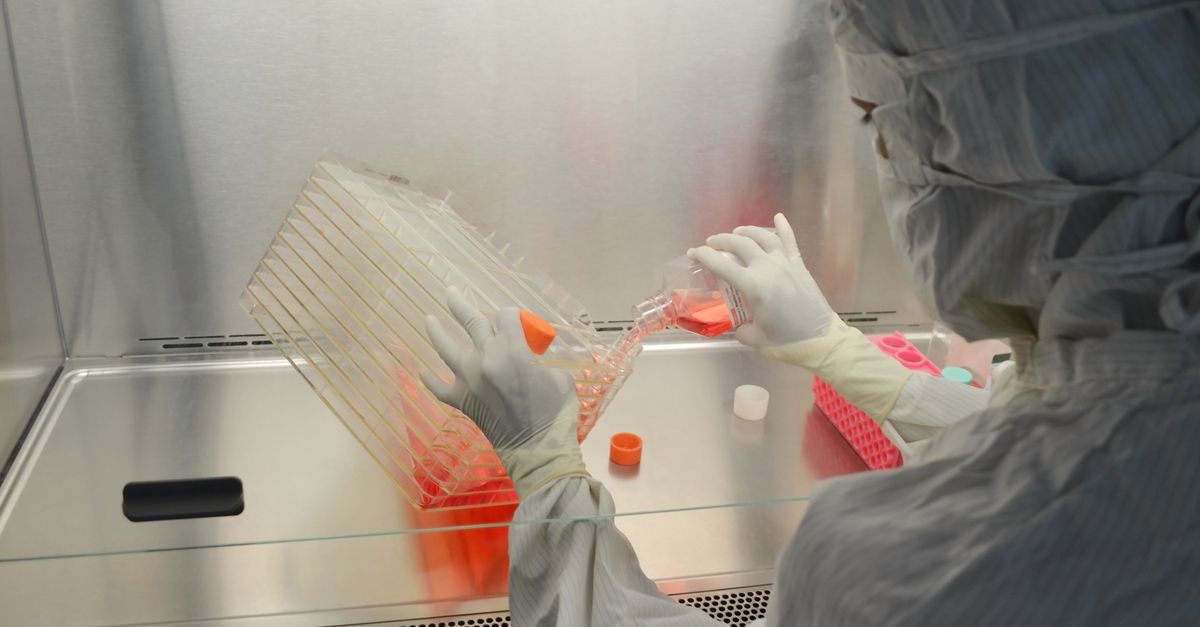
The innovation is elegantly simple yet profoundly powerful: instead of using T cells or macrophages as the delivery vehicle, the team chose monocytes — the circulating precursor cells that naturally migrate to sites of tissue injury. They then engineered these monocytes with a dual-function genetic construct:
- Module 1: A CAR targeting fibroblast activation protein (FAP) — a surface marker abundant on the myofibroblasts that produce cardiac scar tissue — enabling the cells to specifically seek out and phagocytose (engulf and destroy) scar-producing cells.
- Module 2: A secretion module for Agrin — a large extracellular matrix protein recently identified as a potent inducer of cardiomyocyte proliferation and heart muscle regeneration.
Dual Action: Fibrosis Clearance and Myocardial Regeneration
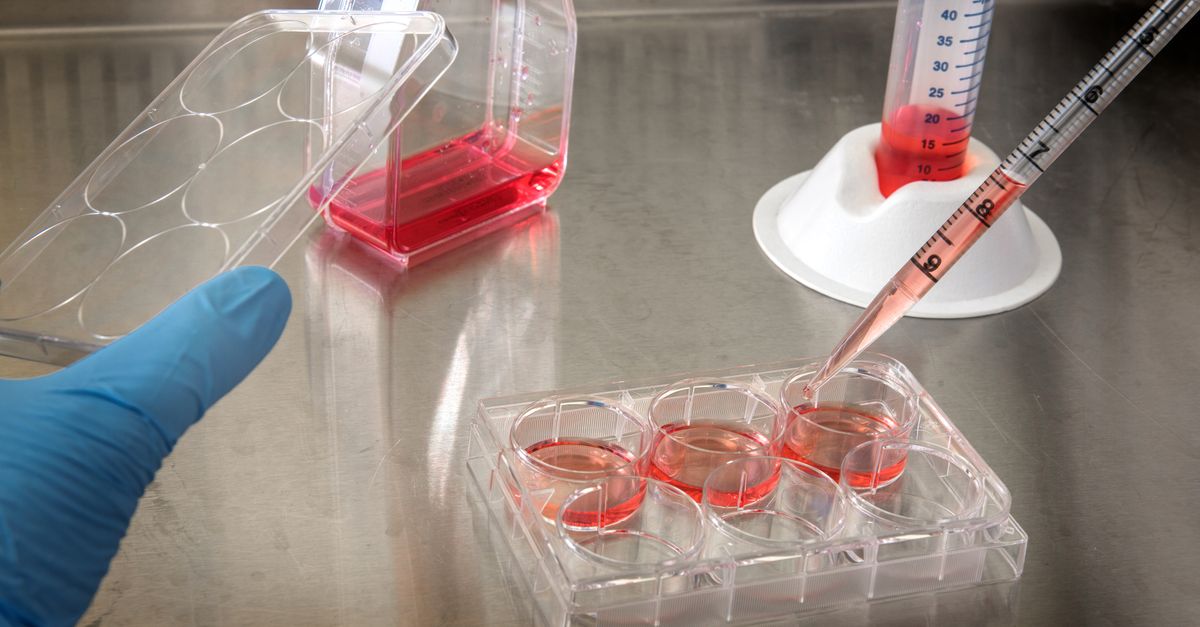
In vitro experiments demonstrated that pCAR-Mos achieve something no previous cell therapy has: they simultaneously destroy scar-forming cells and create the conditions for new heart muscle to grow. The CAR-mediated phagocytosis of FAP-positive myofibroblasts was enhanced by Agrin, creating a synergistic effect — Agrin not only directly promotes cardiomyocyte proliferation and angiogenesis but also boosts the phagocytic efficiency of the engineered monocytes.
Critically, monocytes demonstrated superior targeting to the infarct zone compared to conventional CAR-macrophages, owing to their natural homing properties as circulating immune cells that respond to injury signals. This means more therapeutic cells reach the damaged tissue, where they are needed most.
In Vivo Results: Restoring Heart Function
In a mouse model of myocardial infarction, pCAR-Mos therapy delivered remarkable results:
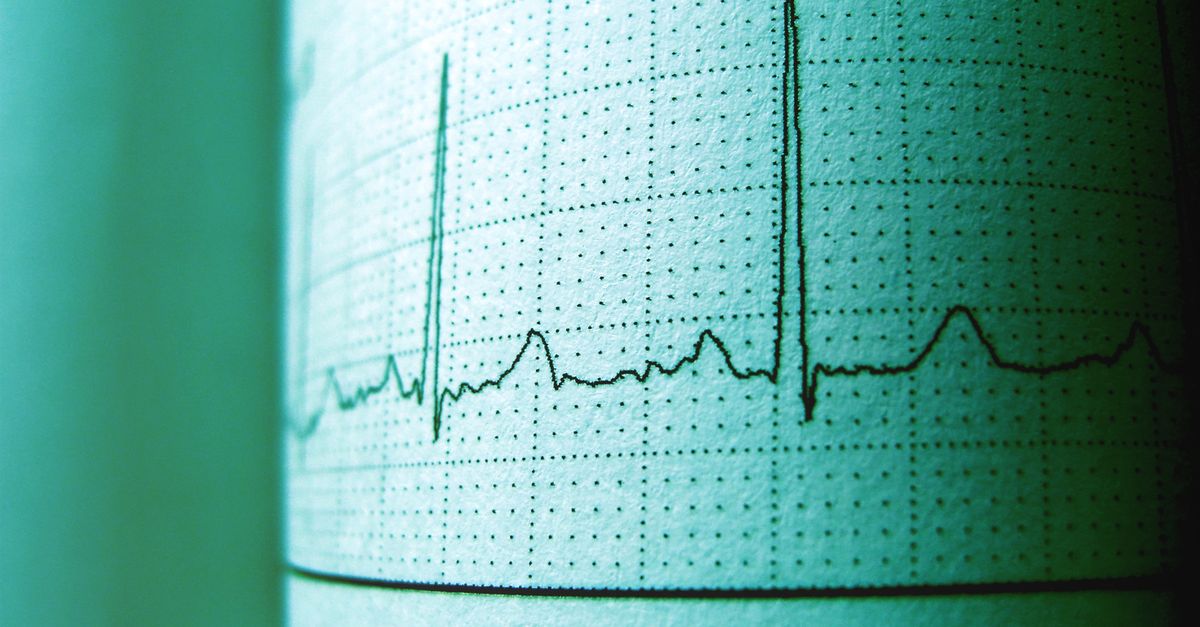
- Significantly improved left ventricular ejection fraction — the key measure of how well the heart pumps blood
- Reduced infarct size and increased infarct wall thickness — structural evidence of tissue repair
- Decreased FAP-positive myofibroblasts and collagen deposition — confirming scar tissue removal
- Activated cardiomyocyte proliferation and neovascularization — demonstrating functional myocardial regeneration
Single-cell RNA sequencing of treated hearts revealed that pCAR-Mos exert multidimensional remodeling of the post-infarction microenvironment, modulating immune cell populations, extracellular matrix composition, and signaling pathways to create a regenerative niche — far beyond the simple fibrosis-reduction achieved by previous CAR-cell approaches.
Safety and Future Directions
Comprehensive safety assessments confirmed that pCAR-Mos have an excellent safety profile in vivo, with no evidence of off-target toxicity or adverse immune reactions. This is a crucial finding, as safety concerns have historically limited the clinical translation of CAR-cell therapies.
The study, described by Chinese academic media as having “solved a world-class problem,” opens a transformative therapeutic avenue: for the first time, a single cell-based therapy achieves both scar clearance and functional tissue regeneration — the two holy grails of post-infarction therapy. The pCAR-Monocyte platform also has broad potential applicability to other fibrotic diseases, including liver, kidney, and pulmonary fibrosis.
Qilu Hospital of Shandong University, a national top-tier institution with a State Key Laboratory for Innovation and Transformation of Luobing Theory, continues to push the boundaries of cardiovascular medicine. For patients worldwide suffering from heart failure after myocardial infarction, this research offers a glimpse of a future where damaged hearts can truly heal.
Sources
- Wu Z, Zou X, Chen C, et al. Engineered CAR-monocytes coordinate fibrosis clearance and cardiac regeneration following myocardial infarction. Cell Stem Cell. 2026;33(6):913-929.e7. DOI: 10.1016/j.stem.2026.04.003
- Qilu Hospital of Shandong University. Official news release. May 31, 2026.
- PubMed: PMID 42034061