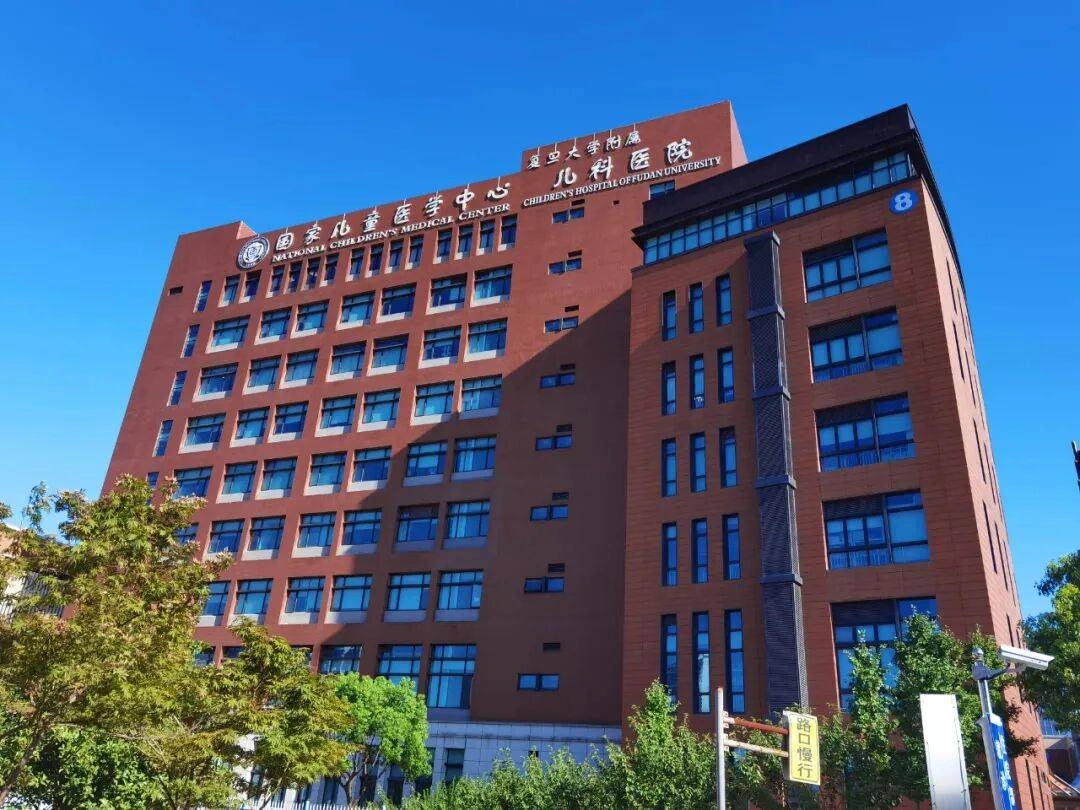
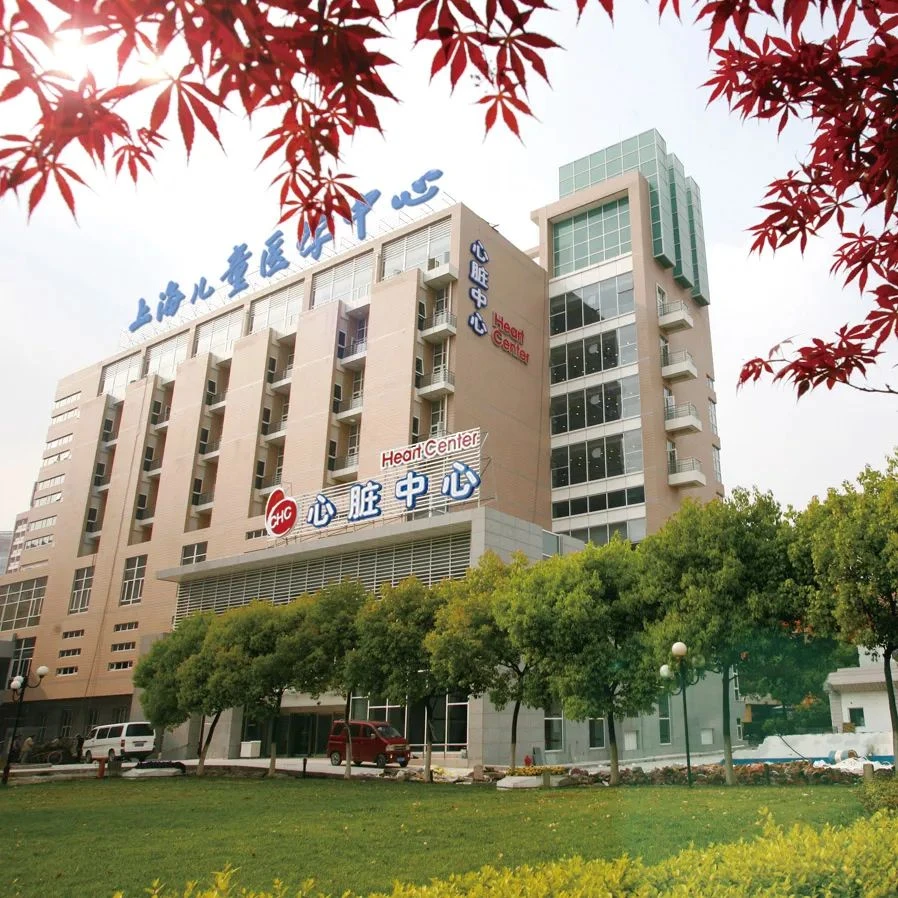
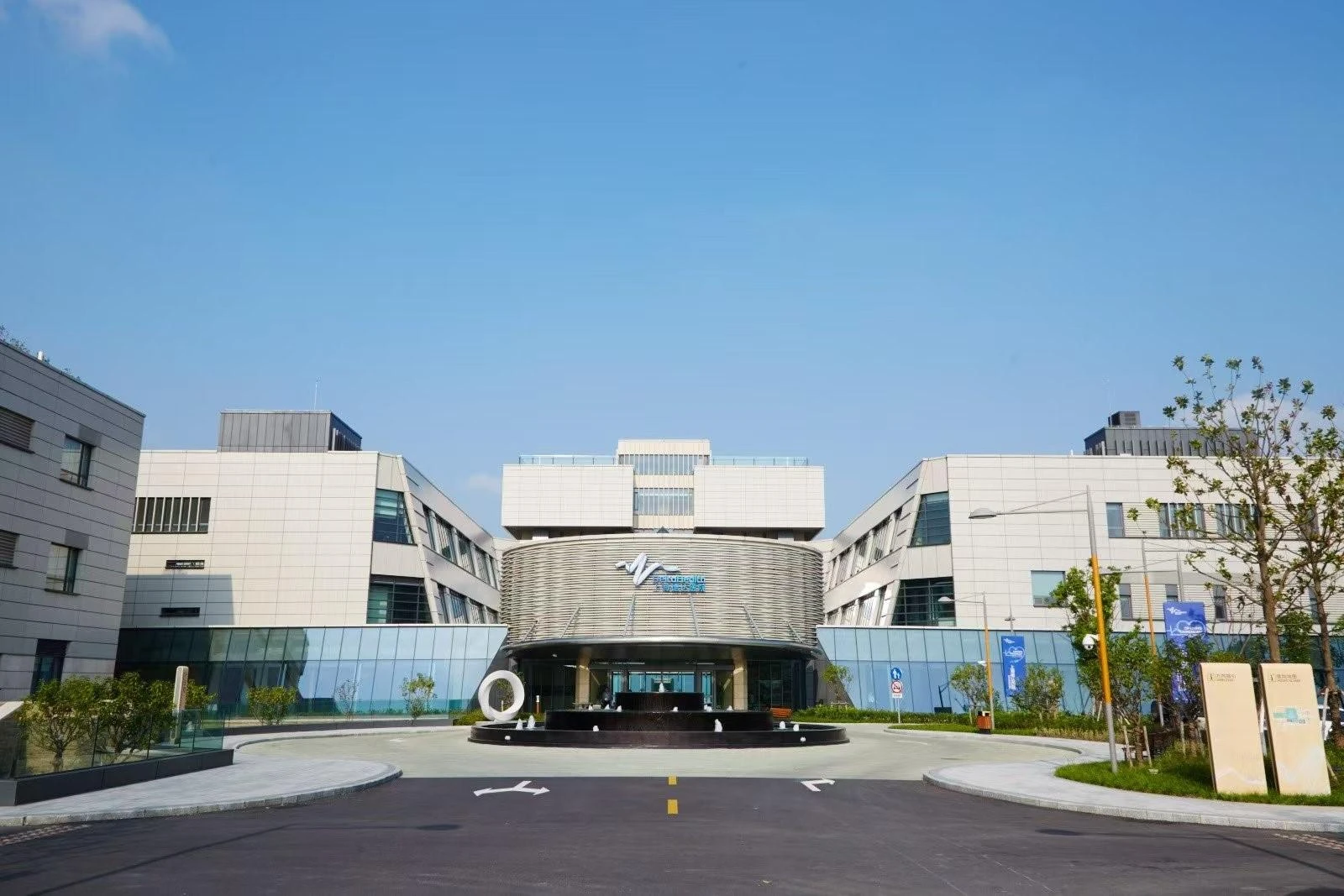
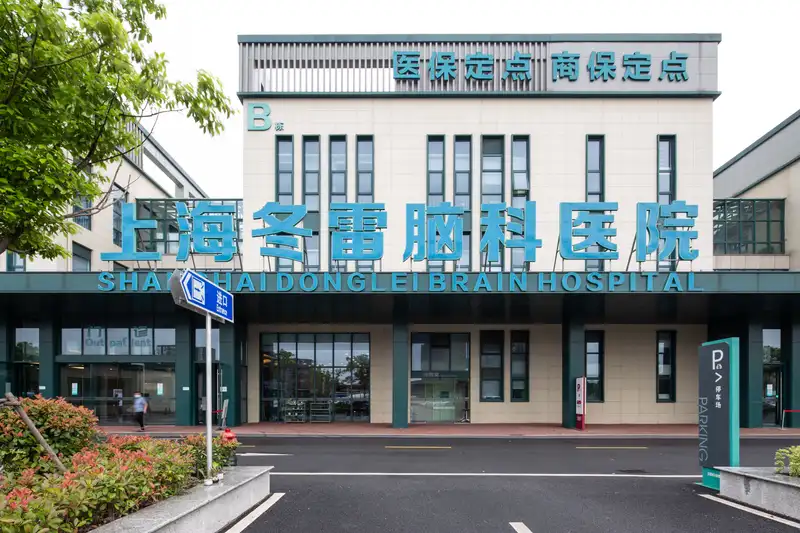
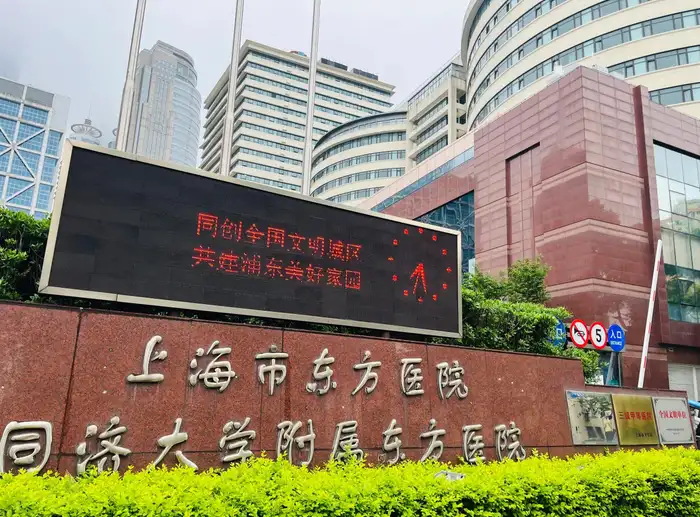
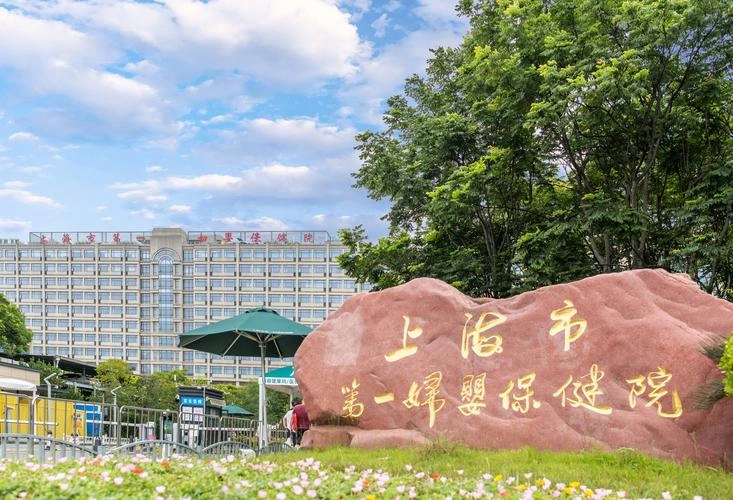
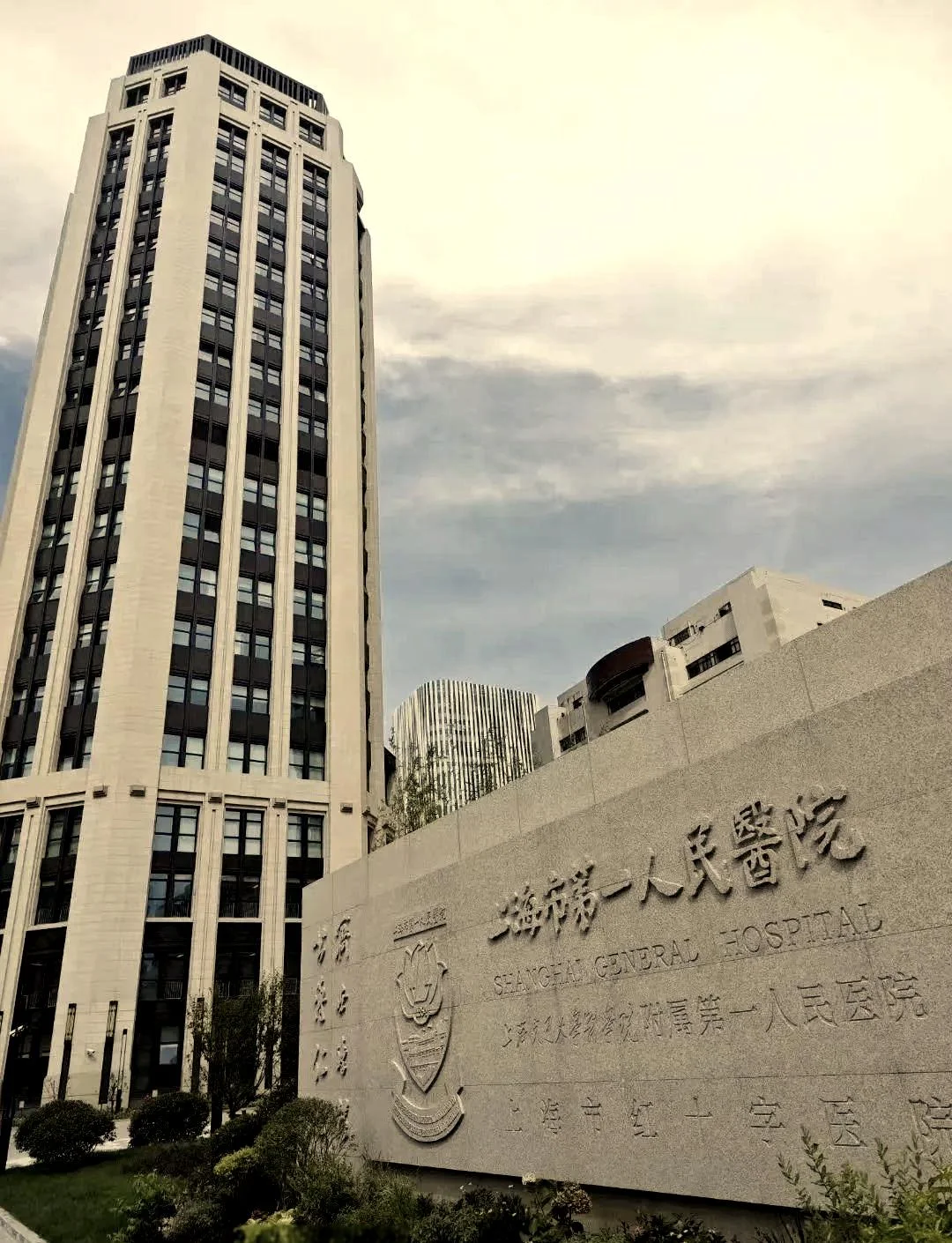
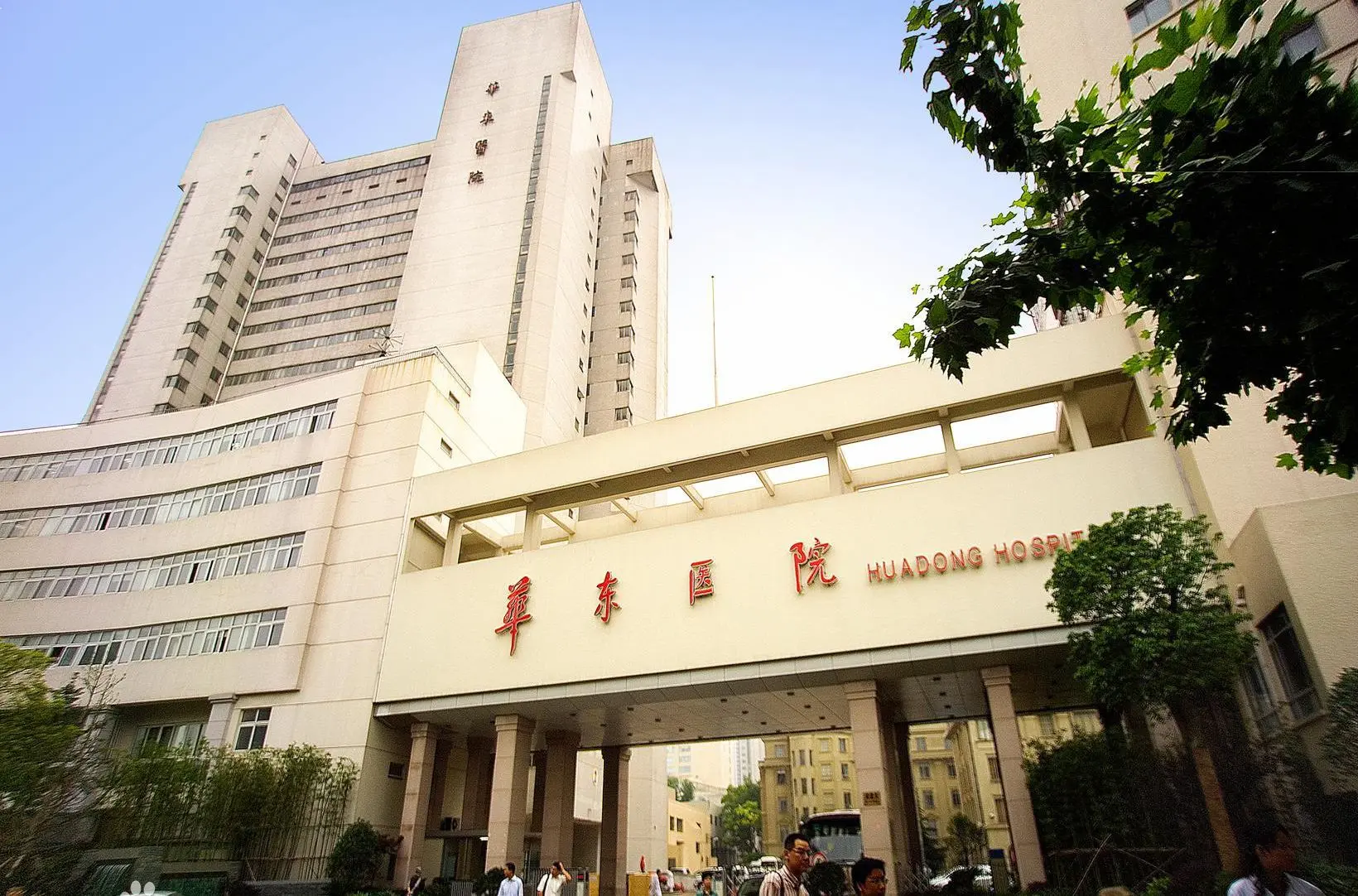
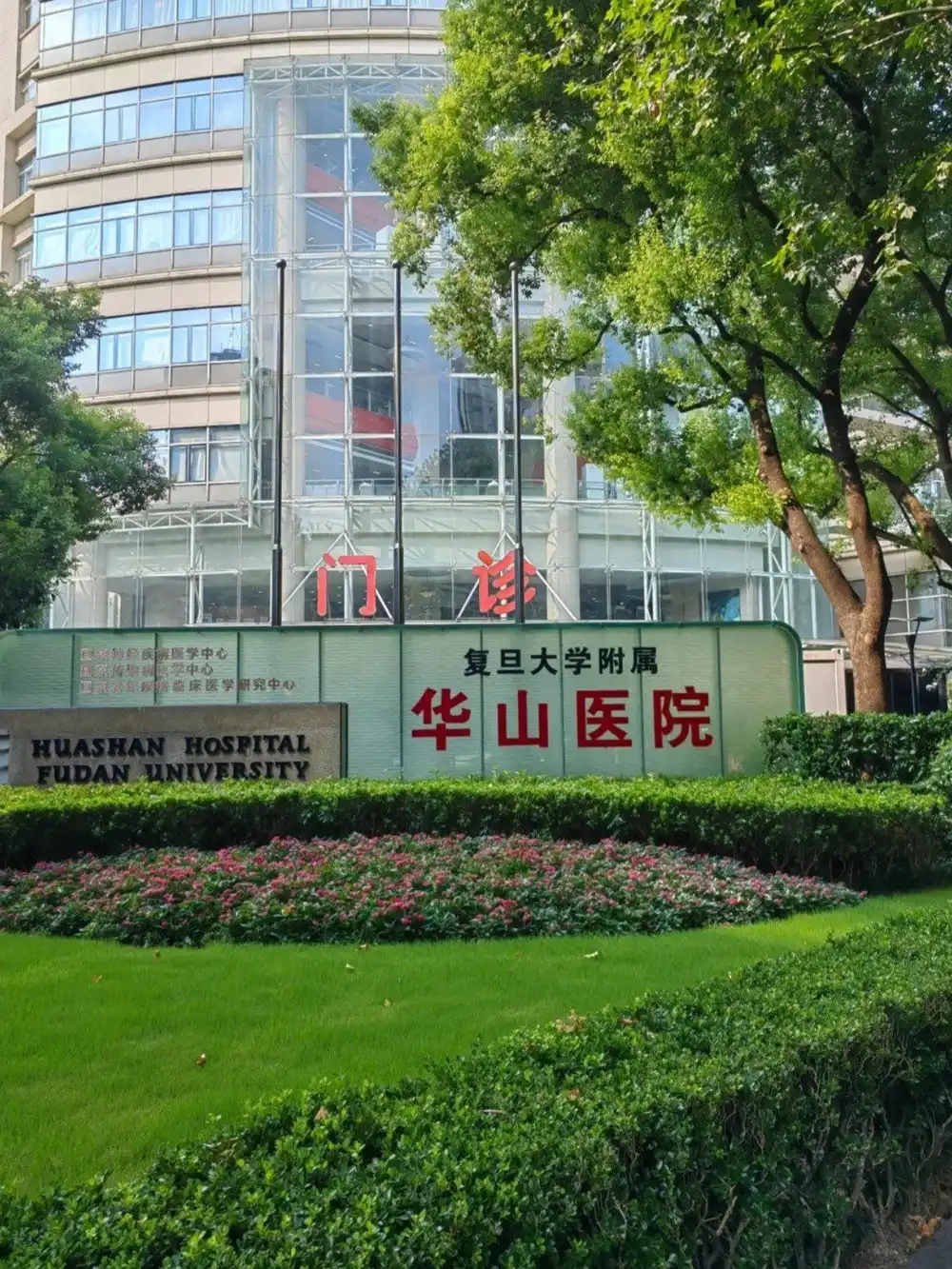
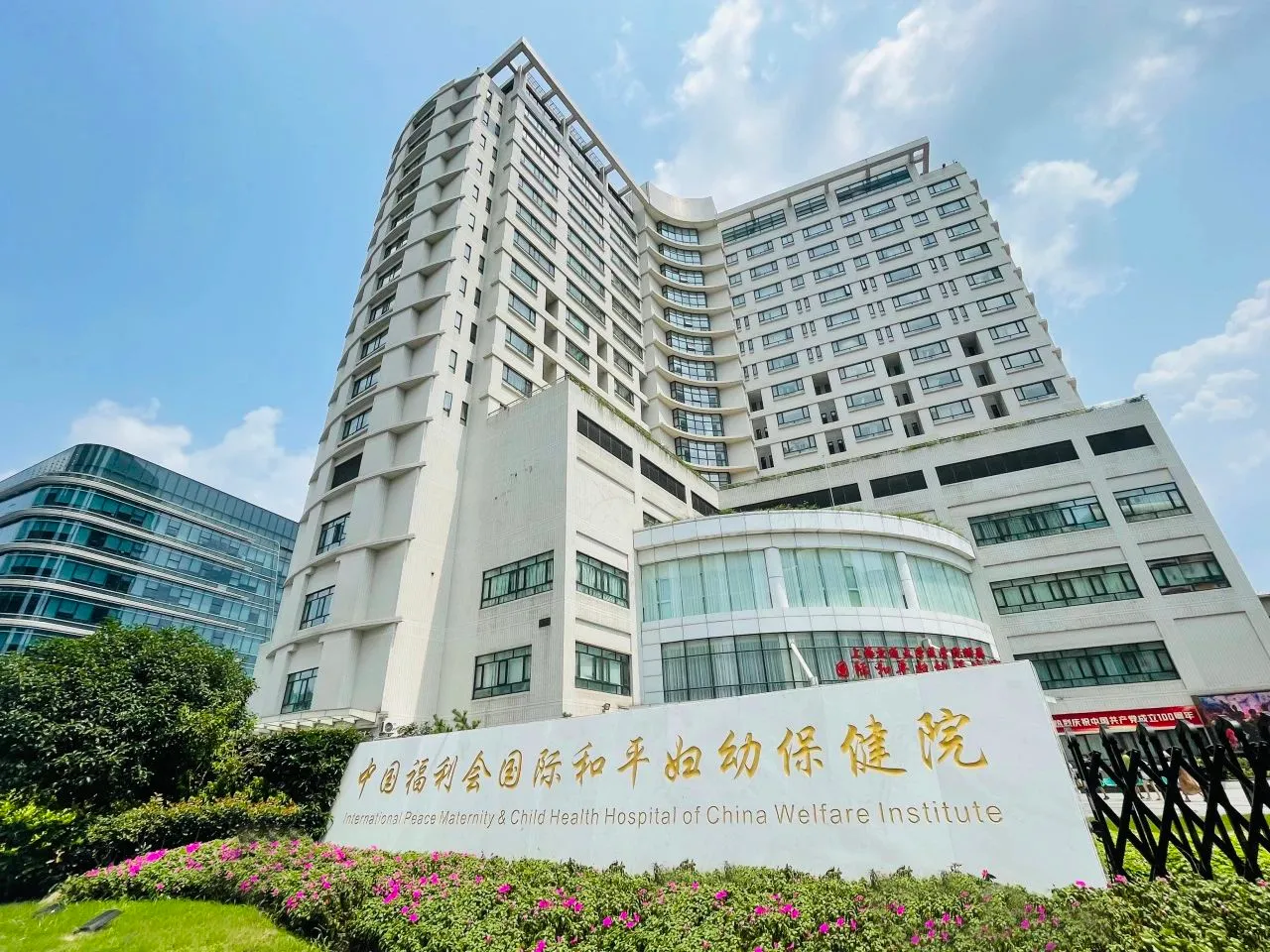
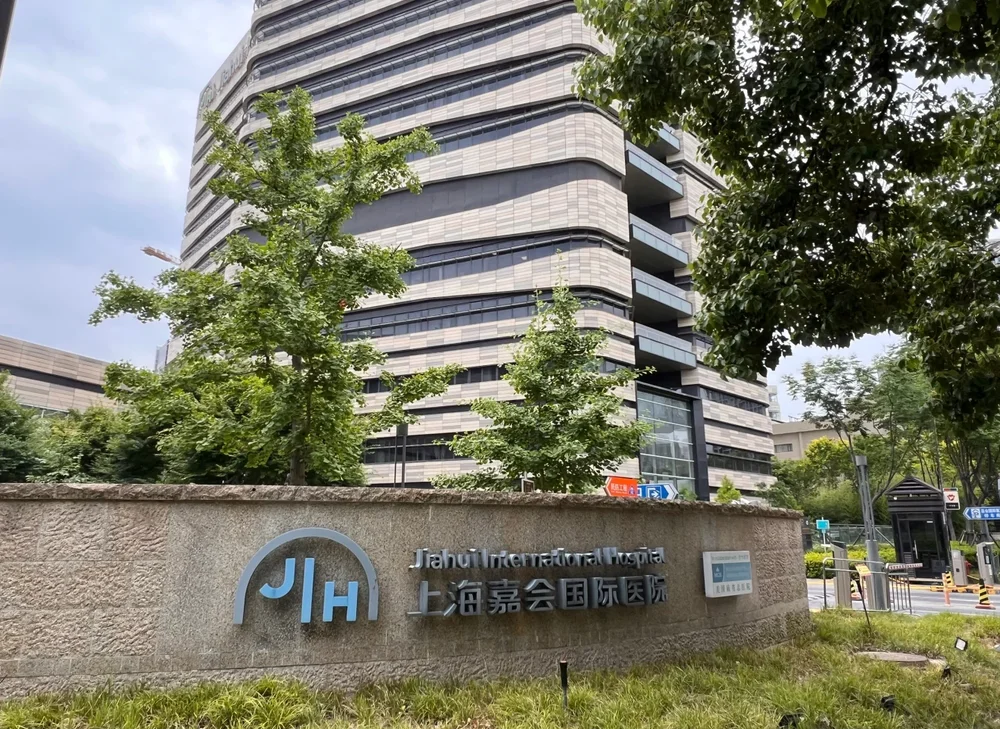
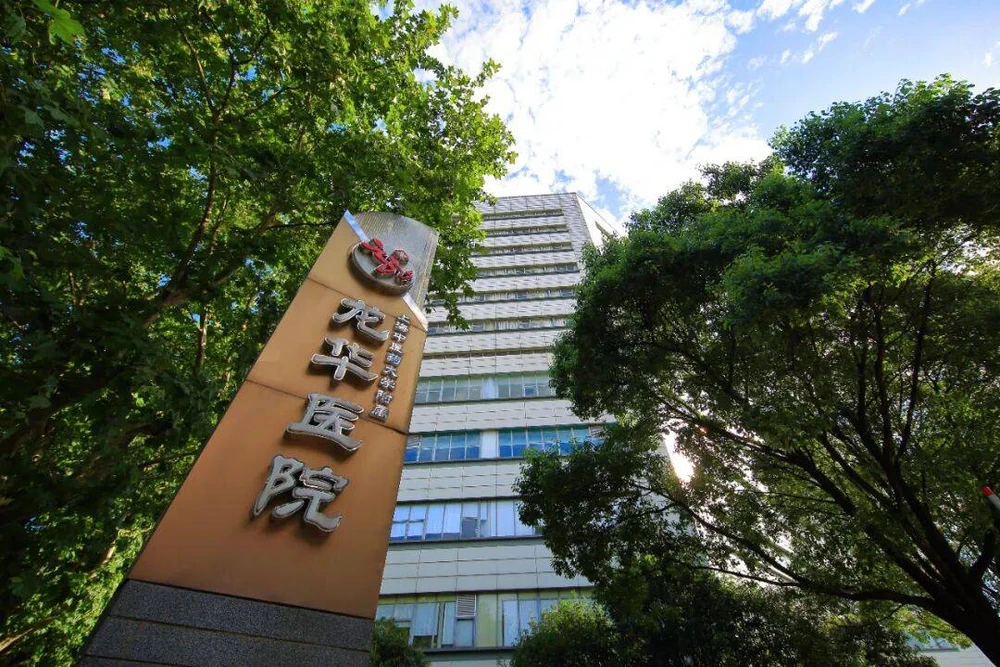
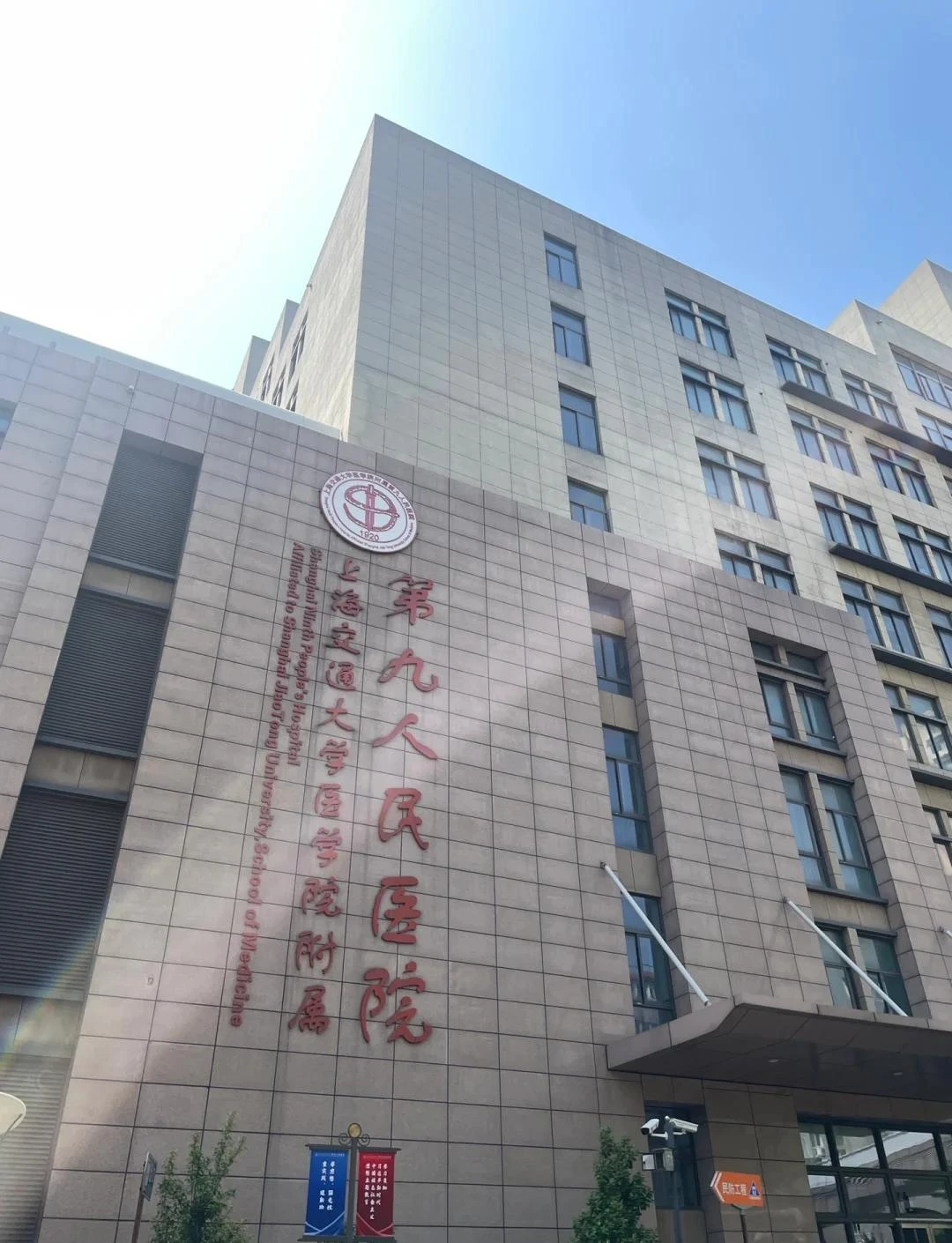
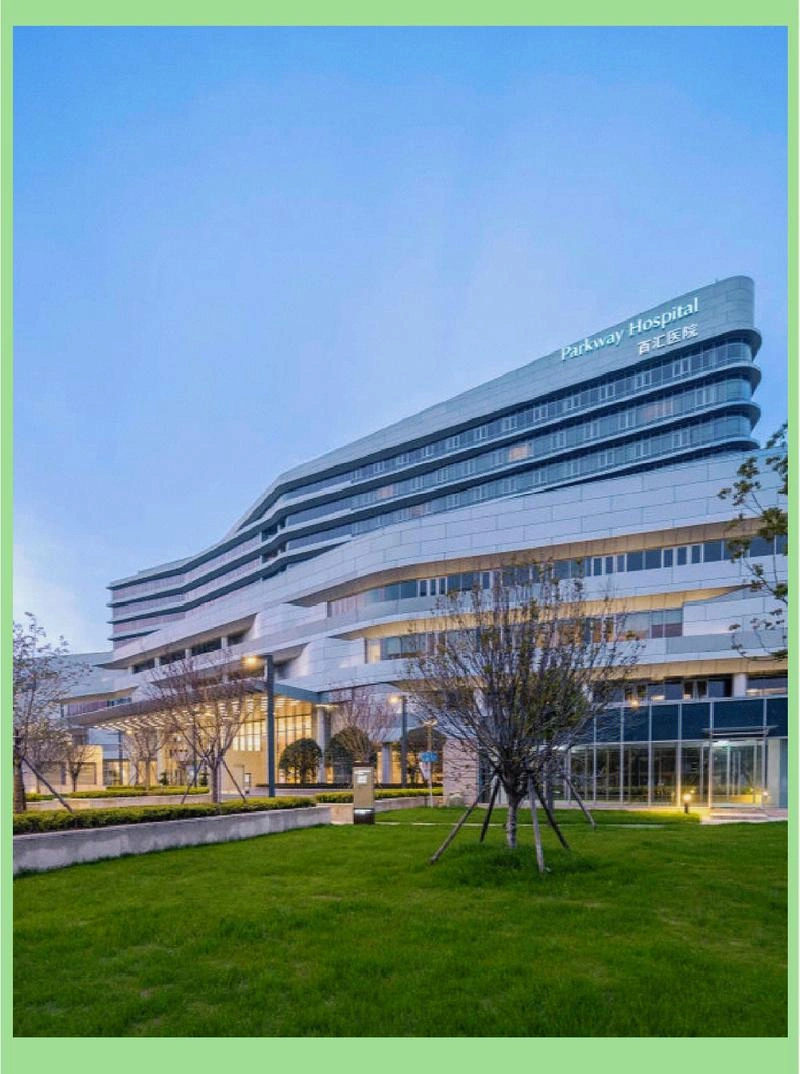
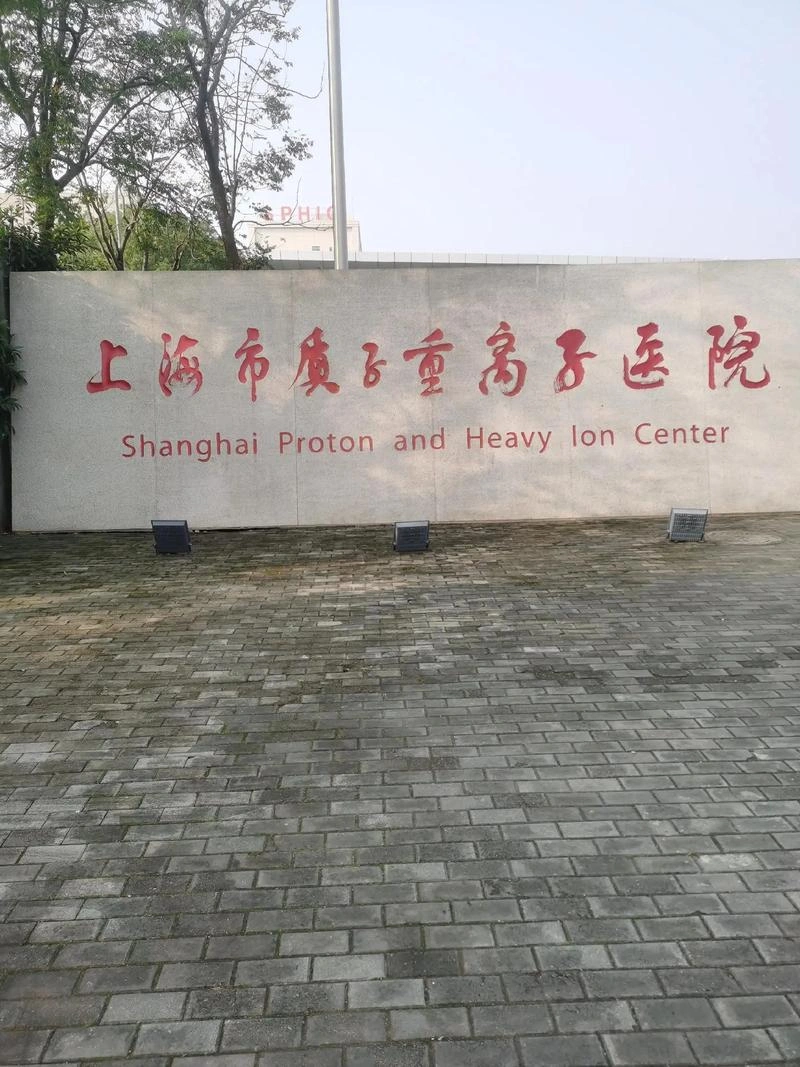
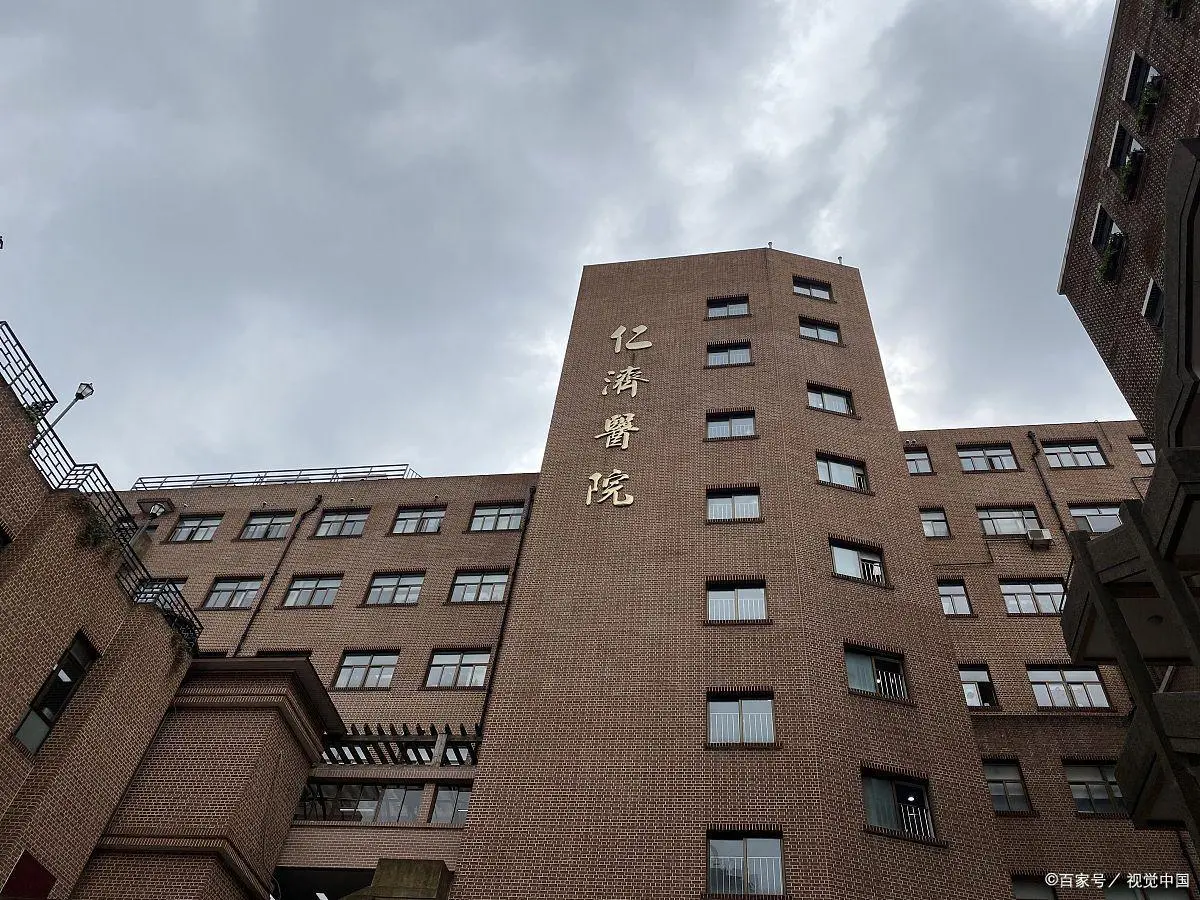
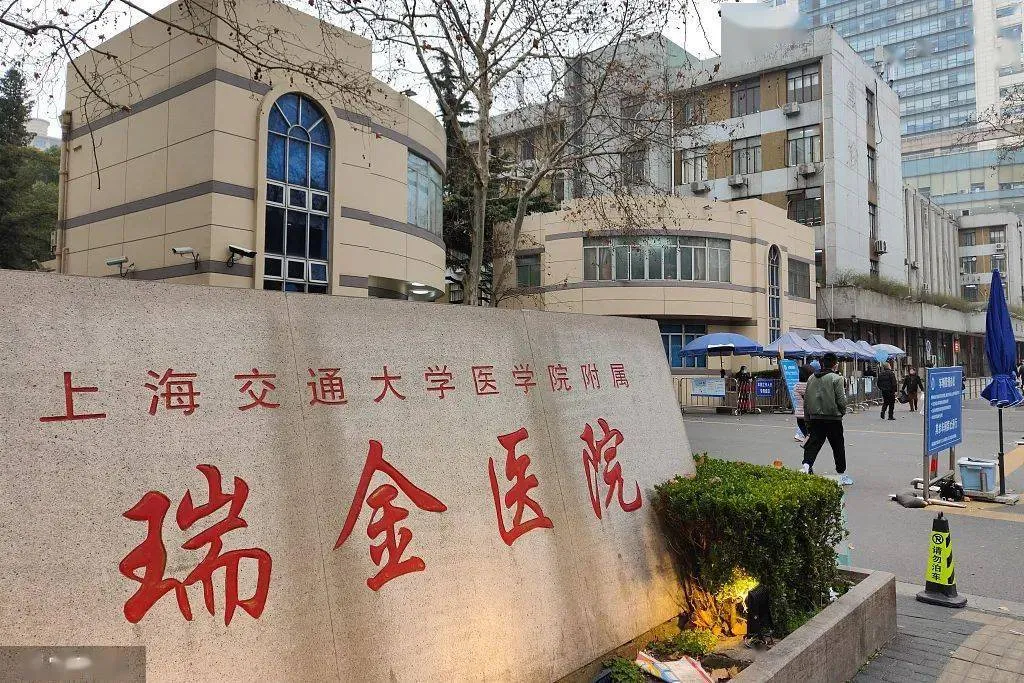
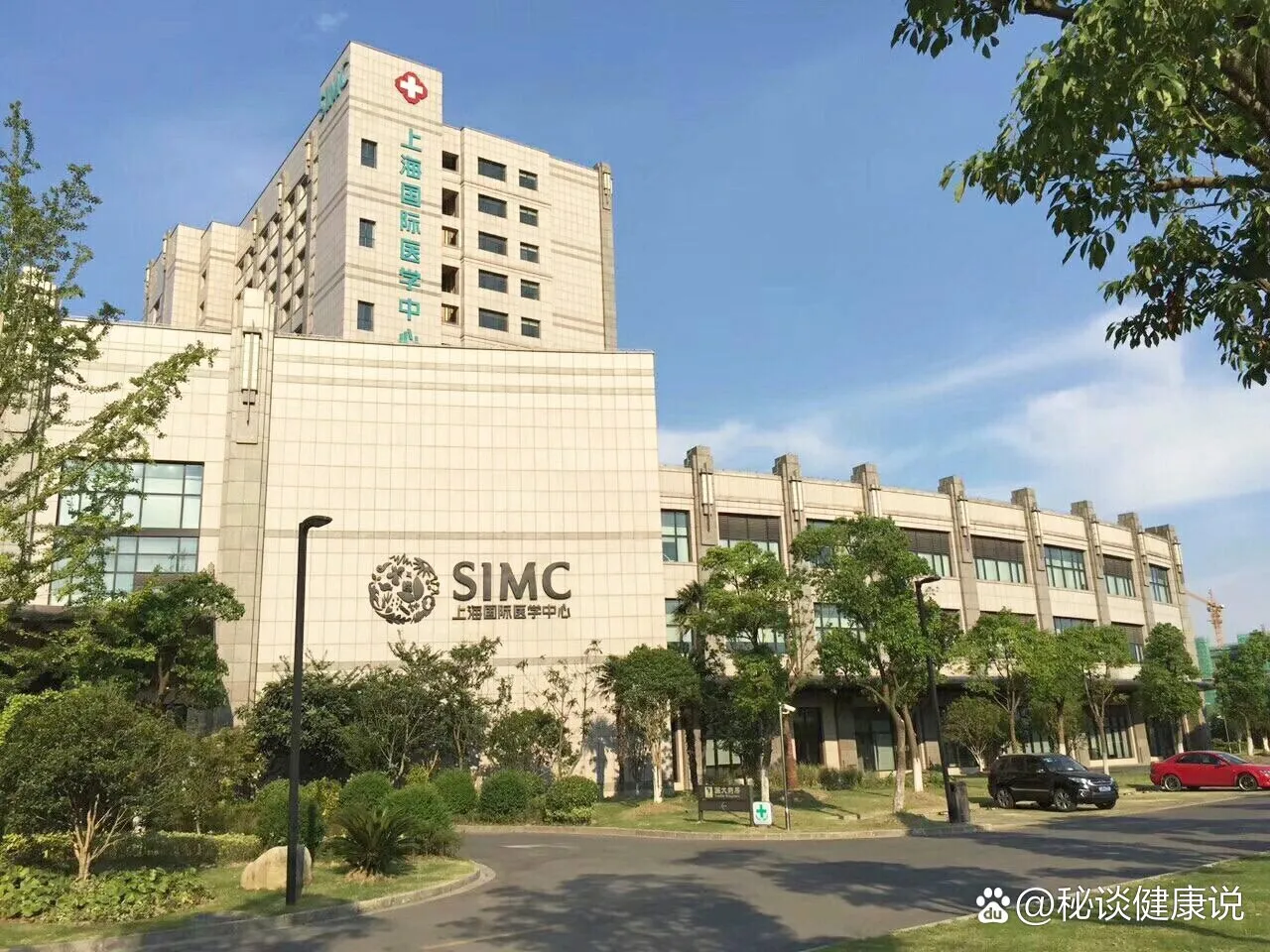
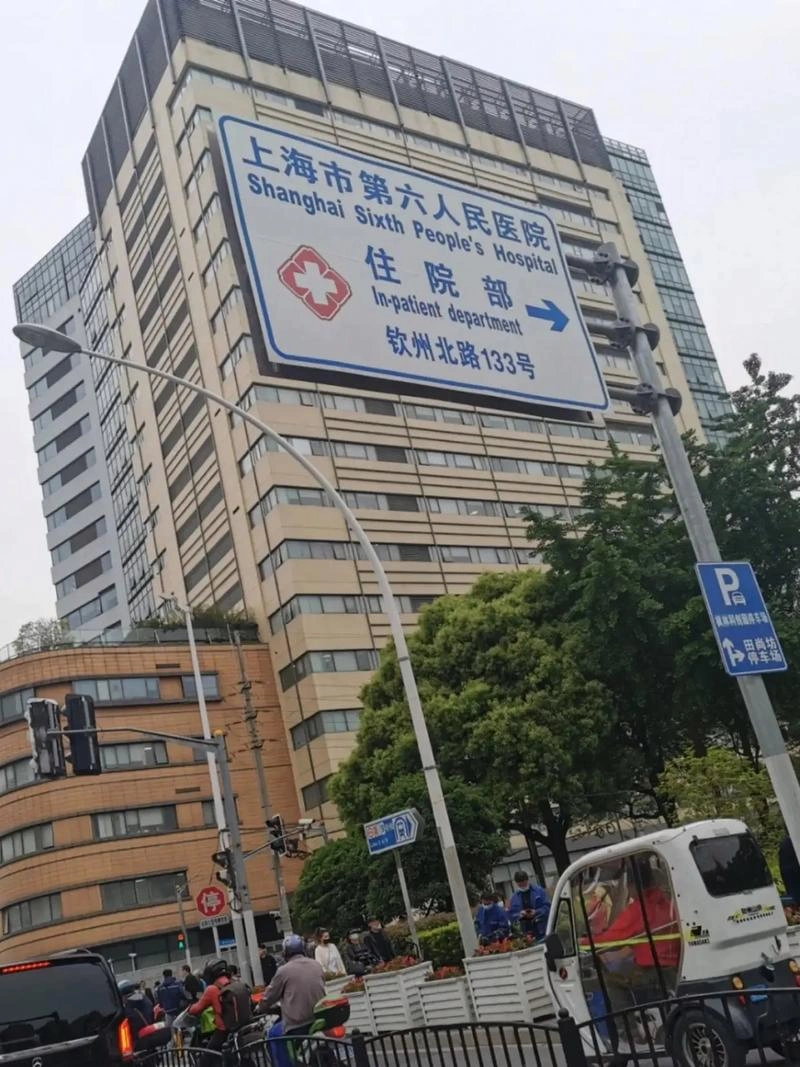
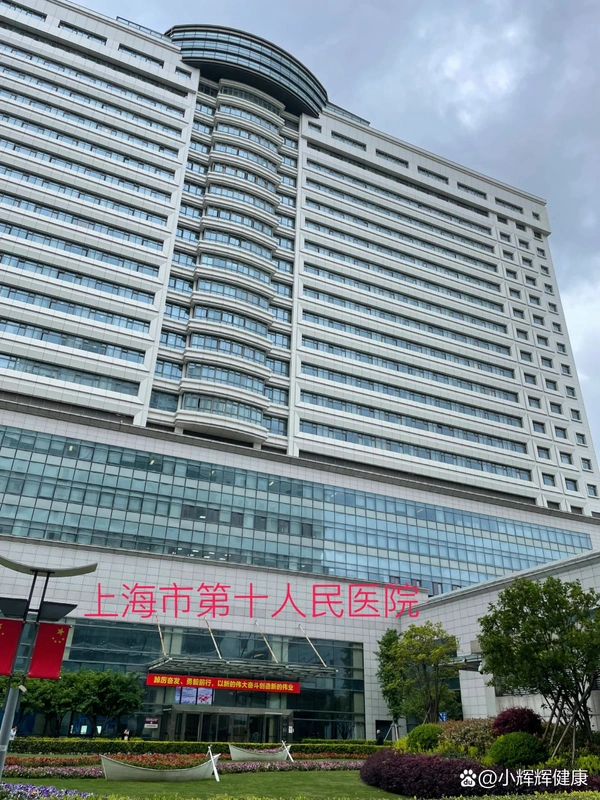
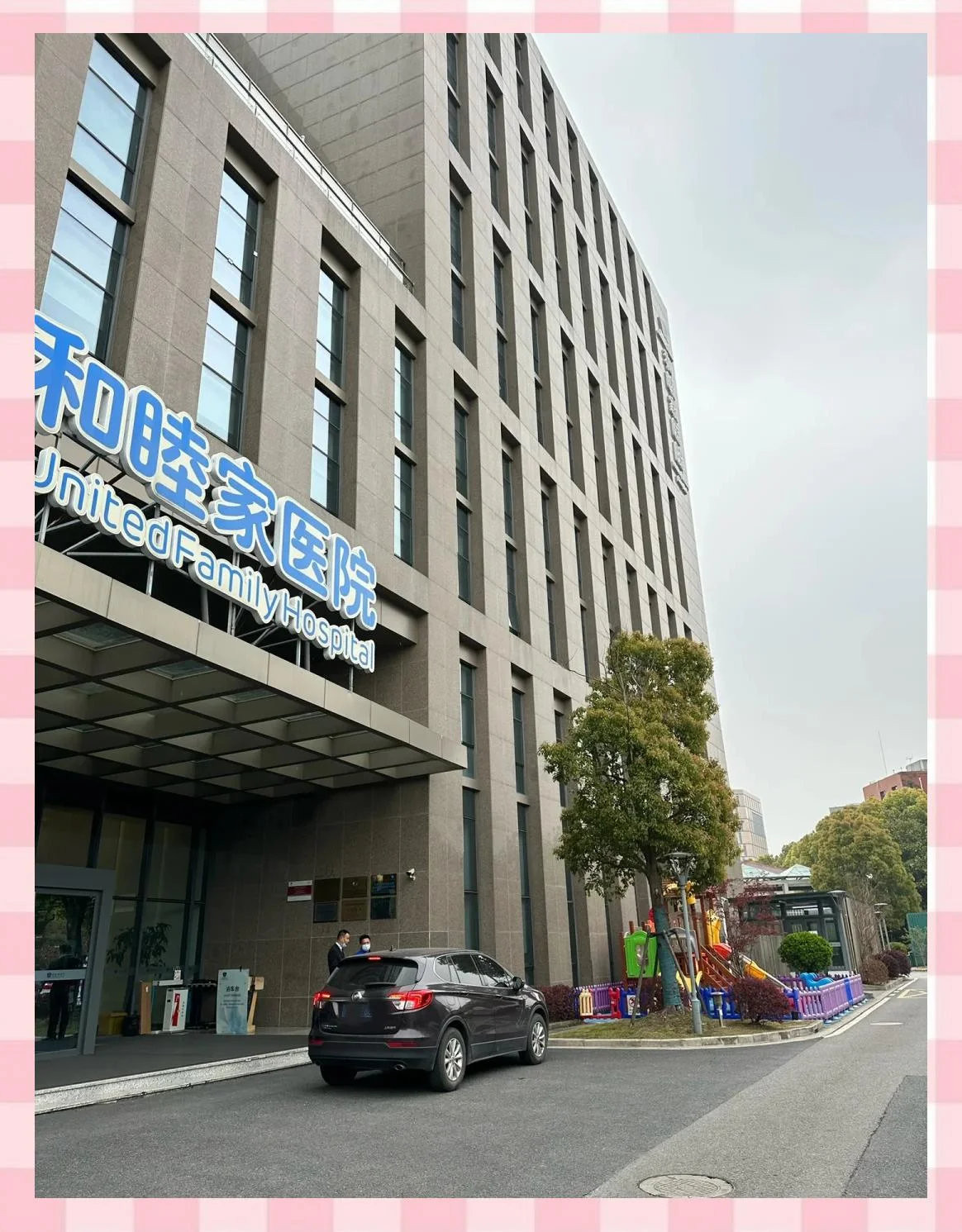
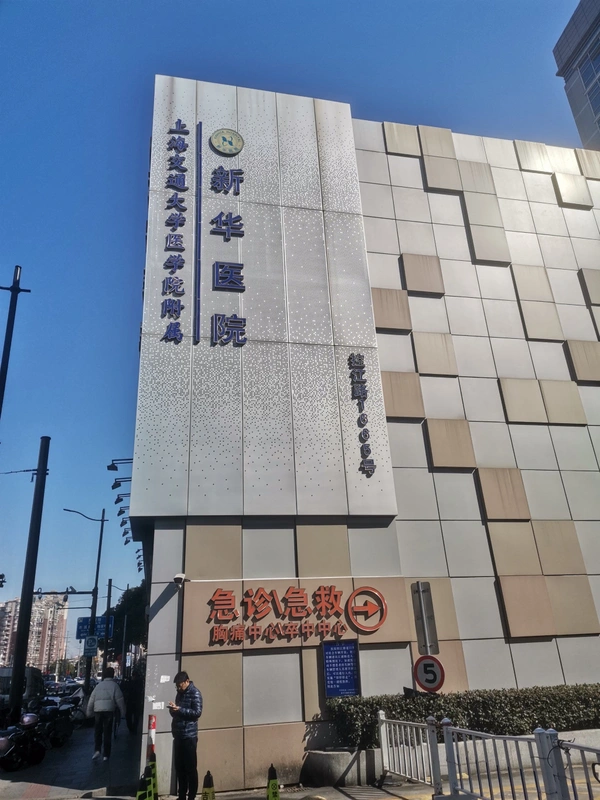
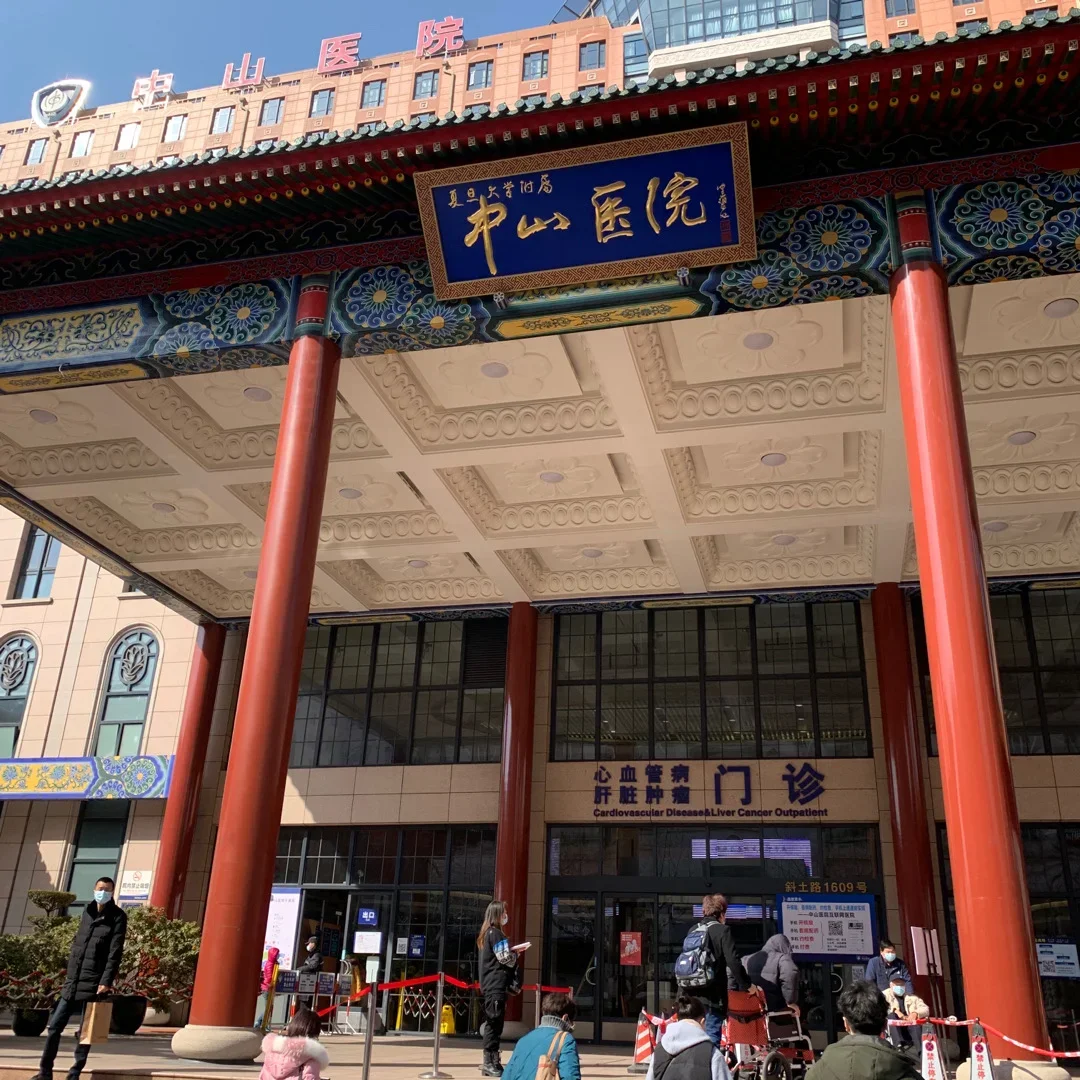
Shanghai is one of the clearest medical access regions for international visitors because it combines major public tertiary hospitals, private international providers, and well-known specialty departments in a compact urban area. Visitors can often compare public hospital international clinics with private outpatient options, which makes Shanghai practical for planned checkups, follow-up consultations, maternity, pediatrics, rehabilitation, and specialist reviews that require English-facing coordination.
Under the 240-hour transit visa-free policy, Shanghai should be treated as a city-locked medical itinerary. Entry through Pudong or Hongqiao does not give permission to visit hospitals in nearby Jiangsu or Zhejiang during the same 240-hour stay. This is important because many attractive hospital clusters in Suzhou, Hangzhou, or Nanjing are close by high-speed rail but outside the allowed region for Shanghai entry. Visitors using the 30-day unilateral visa-free policy may have more flexibility, but hospital appointments, records transfer, and payment rules still need direct confirmation.
The directory focuses on hospitals with public evidence of international service, English information, direct patient service pages, or specialist recognition. It is meant to support planning rather than ranking hospitals. A strong Shanghai plan usually compares convenience, department fit, appointment channel, language support, and whether the hospital can provide reports in a format useful after returning home.
Nearby travel limits Shanghai 240-hour entry does not include Jiangsu or Zhejiang, even though those regions are close by rail. Do not book a nearby-province hospital unless your visa status allows it.
Sources and verification Compiled from official hospital websites, international clinic pages, and public service information. Verify current appointment rules with the hospital before travel.