Nine medical tests. Two and a half hours. Less than $500. That is what a foreign medical blogger documented in a viral 2025 video after walking into a Shanghai hospital for a comprehensive health screening — blood draw, full-body ultrasound, chest CT, ECG, tumor markers, and a physician consultation, all before lunch. The same battery of tests would cost $5,000 or more in the United States and take multiple appointments over several weeks.
China’s health checkup infrastructure has quietly become world-class. Modern hospitals offer streamlined one-stop screening centers where patients rotate through imaging, lab work, and specialist consultations in a single morning. And with the country’s expanded visa-free policies — 30-day unilateral visa-free entry for over 50 nationalities and 240-hour transit visa-free access at major ports — booking a full body checkup during a China trip has never been more practical.
This guide covers everything you need to know: what you will be tested, where to go, how much it costs, how to book, and the small details that make the difference between a smooth experience and a frustrating one.
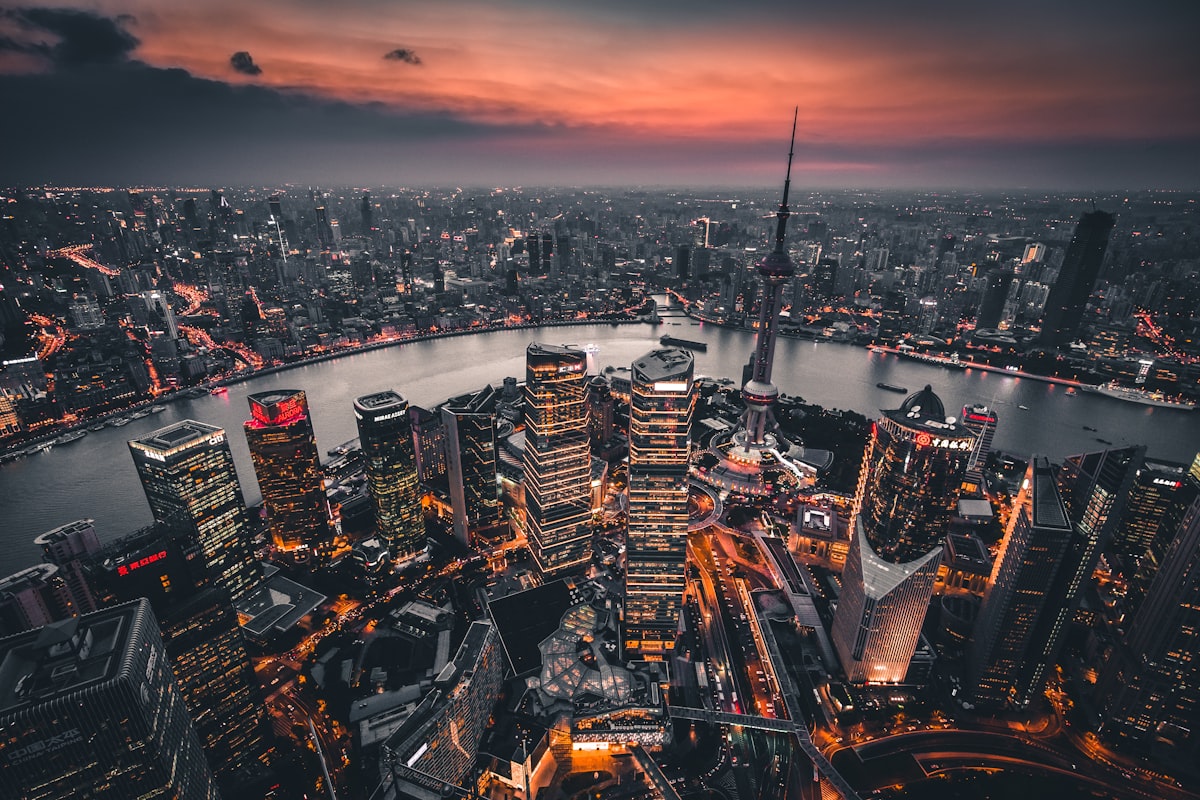
Why China for a Health Screening
China has built a large-scale preventive health screening industry over the past two decades. The model is distinctly different from Western primary care visits: dedicated health examination centers (体检中心) operate within major hospitals, designed specifically for asymptomatic people seeking comprehensive screening rather than treating a specific complaint.
These centers share the same radiology, pathology, and laboratory infrastructure as the hospital’s clinical departments but run on a fast-track, appointment-based workflow. A typical morning session processes dozens of patients through standardized stations — phlebotomy, imaging, ultrasound, ECG, and physician review — in sequence.
Several factors make China particularly attractive for foreign visitors:
- Price. A comprehensive screening that costs $3,000–10,000 in the US is available for $200–2,000 in China at top-tier international hospitals, making it the most affordable health screening destination globally.
- Speed. Most standard packages are completed in one morning (2–4 hours). Premium packages with endoscopy may require two days due to bowel preparation.
- Technology. Major hospitals use current-generation 3.0T MRI, low-dose CT, and high-resolution ultrasound. AI-assisted imaging analysis is increasingly common at top institutions.
- Volume and experience. Chinese hospitals process enormous patient volumes, which means experienced technicians, efficient workflows, and short wait times within the appointment itself.
- Visa-free access. Over 50 nationalities can now enter China visa-free for 30 days, or use the 240-hour transit visa-free policy at major international airports. No medical visa is required for a voluntary screening.
What You Actually Get Tested
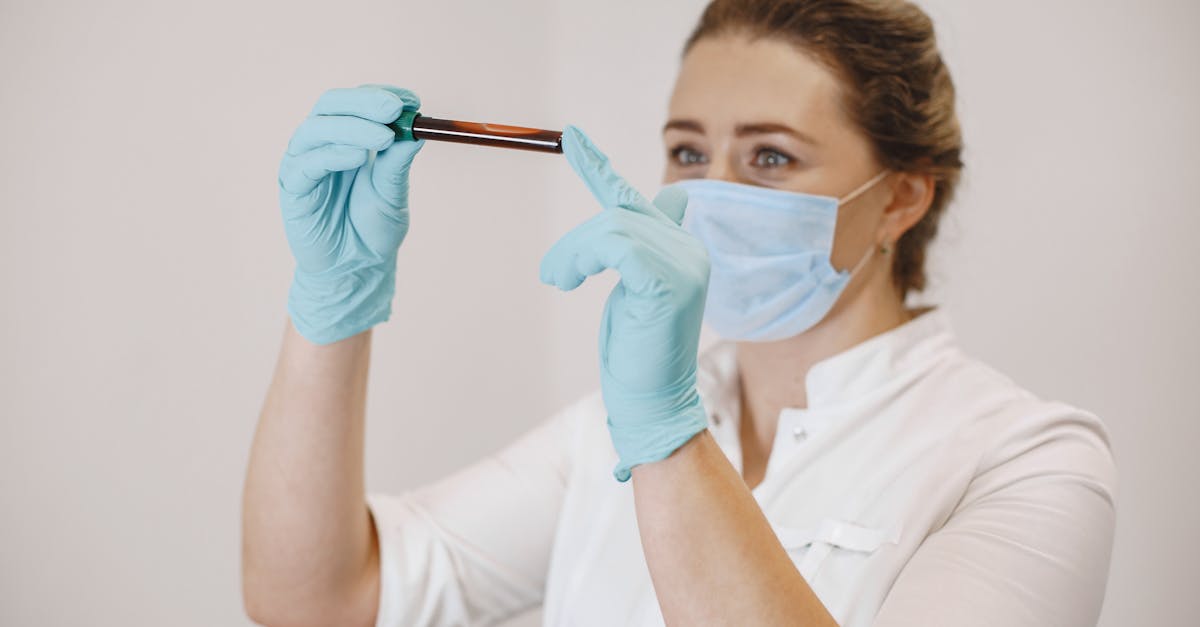
A Chinese health screening is structured as a bundle, not an a la carte menu. You select a package and receive a printed itinerary sheet that routes you through each station. The standard test categories include:
Laboratory Tests
- Complete Blood Count (CBC) — red cells, white cells, hemoglobin, platelets
- Liver function panel — ALT, AST, bilirubin, albumin, GGT
- Kidney function panel — creatinine, urea nitrogen, uric acid
- Fasting blood glucose and HbA1c — diabetes screening
- Lipid panel — total cholesterol, LDL, HDL, triglycerides
- Thyroid function — TSH, free T3, free T4
- Tumor markers — AFP (liver), CEA (colorectal), CA19-9 (pancreas), PSA (prostate, men), CA125 (ovarian, women), CA15-3 (breast, women)
- Urinalysis — microscopic and chemical analysis
- H. pylori breath test — for gastric ulcer risk screening
Imaging and Cardiac
- Chest X-ray or low-dose chest CT — lung cancer screening, TB, pneumonia
- Abdominal ultrasound — liver, gallbladder, spleen, pancreas, kidneys
- Carotid artery ultrasound — plaque and stroke risk assessment
- Echocardiogram — heart valve and function evaluation
- 12-lead ECG — heart rhythm and electrical activity
- Thyroid ultrasound — nodule detection (high-value; China has high thyroid nodule detection rates)
Premium Add-Ons
- PET-CT whole-body scan — cancer screening (not routine; targeted for high-risk patients)
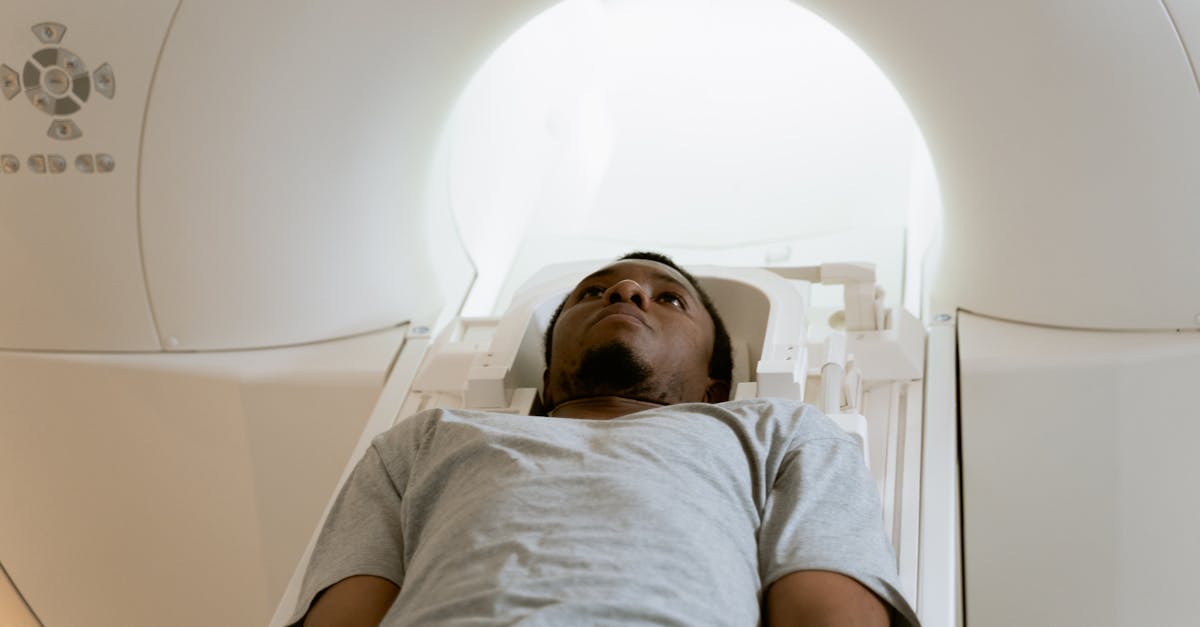
- Brain MRI (3.0T) — tumor, aneurysm, and stroke precursor screening
- Cardiac CT angiography — coronary artery plaque and stenosis
- Gastroscopy and colonoscopy under sedation — GI cancer screening (requires separate bowel prep day)
- Bone density scan (DEXA) — osteoporosis risk
- Genetic risk panel — hereditary cancer and cardiovascular risk genes
Gender-specific items are included automatically: women typically receive Pap smear, HPV DNA test, breast ultrasound or mammogram (age 40+), and pelvic ultrasound. Men receive prostate ultrasound and PSA testing.
Three Price Tiers and What Each Includes
Prices in China vary significantly between public hospital examination centers, local private hospitals, and international medical clinics. Below is a realistic breakdown based on published 2025–2026 package pricing at Shanghai hospitals.
Tier 1: Basic Screening — ¥999 to ¥1,500 ($140–$215)
Available at public hospitals and local private clinics. Typically includes:
- CBC, liver and kidney function, fasting glucose, lipid panel
- ECG, chest X-ray, abdominal ultrasound
- Urinalysis, basic physician summary
Best for: Young, healthy adults under 35 seeking a routine baseline. Does not include cancer screening or cardiac imaging.
Tier 2: Mid-Tier Comprehensive — ¥2,488 to ¥4,988 ($350–$700)
Available at most international hospitals and premium public hospital centers. Adds:
- All basic tests plus full tumor marker panel (AFP, CEA, PSA, CA125, CA19-9)
- Thyroid panel and thyroid ultrasound
- Carotid ultrasound, echocardiogram, low-dose chest CT (replacing X-ray)
- H. pylori breath test, bone density scan
- Gender-specific cancer screening (HPV, Pap smear, breast imaging for women; prostate for men)
- Bilingual report and physician consultation (at international hospitals)
Best for: Adults 35–55 seeking meaningful cancer and cardiovascular screening without invasive procedures. This is the best value tier for most visitors.
Tier 3: VIP / Executive — ¥6,988 to ¥40,000 ($1,000–$5,600)
Available at top international hospitals and JCI-accredited facilities. This is the Chinese equivalent of an executive physical — includes everything above plus:
- PET-CT whole-body scan or brain MRI
- Cardiac CT angiography
- Gastroscopy and colonoscopy under conscious sedation
- Genetic risk panel (hereditary cancers, cardiovascular disease)
- Food sensitivity panel (90 items), comprehensive hormone panel
- Same-day verbal results with senior physician, detailed English report in 3–5 business days
Best for: Adults 45+ or those with family history of cancer or heart disease. Requires two days if endoscopy is included (bowel preparation the day before).
Price Comparison: China vs. the World
The price gap is the primary driver of medical tourism for screenings. The table below reflects self-pay prices for comparable test panels at standard facilities, based on published 2025–2026 data.
| Test / Service | China (Intl Hospital) | United States | Japan | Singapore |
|---|---|---|---|---|
| Basic health checkup | $140–$400 | $1,500–$3,500 | $700–$1,400 | $300–$800 |
| PET-CT whole-body scan | $1,000–$1,400 | $5,000–$10,000 | $2,000–$3,500 | $2,500–$4,500 |
| Gastroscopy + colonoscopy (sedated) | $280–$560 | $2,000–$5,000 | $1,100–$2,100 | $1,200–$2,800 |
| Brain MRI (3.0T) | $200–$350 | $1,000–$3,000 | $500–$1,000 | $600–$1,200 |
| Cardiac CT angiography | $200–$400 | $1,500–$3,500 | $700–$1,200 | $800–$1,500 |
| Full executive physical | $1,000–$3,000 | $8,000–$20,000 | $3,000–$6,000 | $2,500–$5,000 |
Note: At public hospital examination centers in China (rather than international private hospitals), prices drop further — a basic checkup at a Shanghai public hospital can cost as little as ¥220 ($30).

Where to Go: Hospitals by City and Budget
Shanghai
Shanghai has the densest network of international hospitals catering to foreign patients. Key options:
- Jiahui Health (嘉会国际医院) — JCI-accredited, partnership with Massachusetts General Hospital. Premium packages ¥3,500–¥40,000. English-speaking staff by default. Best for: VIP/executive screening with complex follow-up.
- United Family Healthcare (和睦家, UFH Shanghai) — JCI-accredited since 2005. Packages ¥2,800–¥4,800. Strong reputation among expat families. Best for: mid-tier comprehensive with trusted bilingual reporting.
- ParkwayHealth (百汇医疗) — Singapore-backed. Packages ¥2,500–¥15,800. Best for: patients familiar with Singapore healthcare standards.
- SinoUnited Health (优仕美地) — ¥999 basic packages. Compact and efficient. Best for: budget-conscious visitors wanting a credible international clinic.
- Huashan Hospital International Center — Top public Tier-3A hospital affiliated with Fudan University. English-speaking international department, full-service international medical center. Packages ¥1,950–¥13,600. Best for: patients wanting access to China’s best public hospital specialists at moderate prices.
Beijing
- Beijing United Family Hospital (北京和睦家医院) — Premium packages ¥8,000–¥19,000. Comprehensive executive screening with same-day results.
- Beijing ITHC (国际旅行卫生保健中心) — Government-run; primarily for visa physicals (¥490–¥800). Efficient but not designed for voluntary comprehensive screening.
- Peking Union Medical College Hospital — China’s #1 ranked hospital. Founded in 1921, JCI-level standards, comprehensive international department with English service. Screening packages available; known for world-class specialist access. Best for: patients who want China’s top-ranked hospital combined with health screening.
Shenzhen
- HKU-Shenzhen Hospital — ACHS-accredited Tier-3A hospital. Packages ¥7,400–¥9,400. English-speaking international department with direct insurance billing. Strong option for visitors arriving from Hong Kong.
Guangzhou
- Guangzhou United Family Hospital — JCI since 2018. Packages ¥5,000–¥8,000. 15–20% cheaper than Beijing/Shanghai equivalents. Combine with Canton Fair visits.
Step-by-Step: Your Checkup Day
A typical comprehensive screening at an international hospital follows this sequence:
Before Arrival (1–2 Weeks Prior)
- Book your appointment via the hospital’s WeChat mini-program, official website, or English phone hotline.
- Complete a pre-screening health questionnaire online (medical history, current medications, family history).
- Receive fasting instructions: no food for 8–12 hours before blood draw; small sips of plain water (under 50ml) are acceptable.
- If your package includes colonoscopy: you will receive a separate bowel prep protocol to follow the evening before.
Morning of Your Appointment
- 7:30–8:00 AM — Arrive at the hospital’s health examination center (separate entrance from the main hospital in most cases). Bring your original passport.
- Registration — Check in at reception with your passport and booking confirmation. You will receive a printed itinerary sheet and a barcode wristband or card that tracks your progress through each station.
- 8:00–8:30 AM — Fasting blood draw first. Usually 6–10 tubes drawn. This is where the fast matters.
- 8:30–9:00 AM — Urine sample and H. pylori breath test.
- 9:00–11:00 AM — Imaging and cardiac tests in sequence: ultrasound (abdominal, thyroid, carotid, pelvic), chest CT or X-ray, ECG, echocardiogram. You will rotate through rooms as each becomes available; staff manage the queue.
- 11:00–11:30 AM — Physical examination and specialist consultations (internal medicine, and gender-specific: gynecology for women, urology for men).
- 11:30 AM — Fasting tests complete. Return your gown and collect a complimentary breakfast (provided by most international hospitals).
Results
- Basic same-day results: Blood count, liver/kidney function, glucose, and lipids are typically available within 2–4 hours.
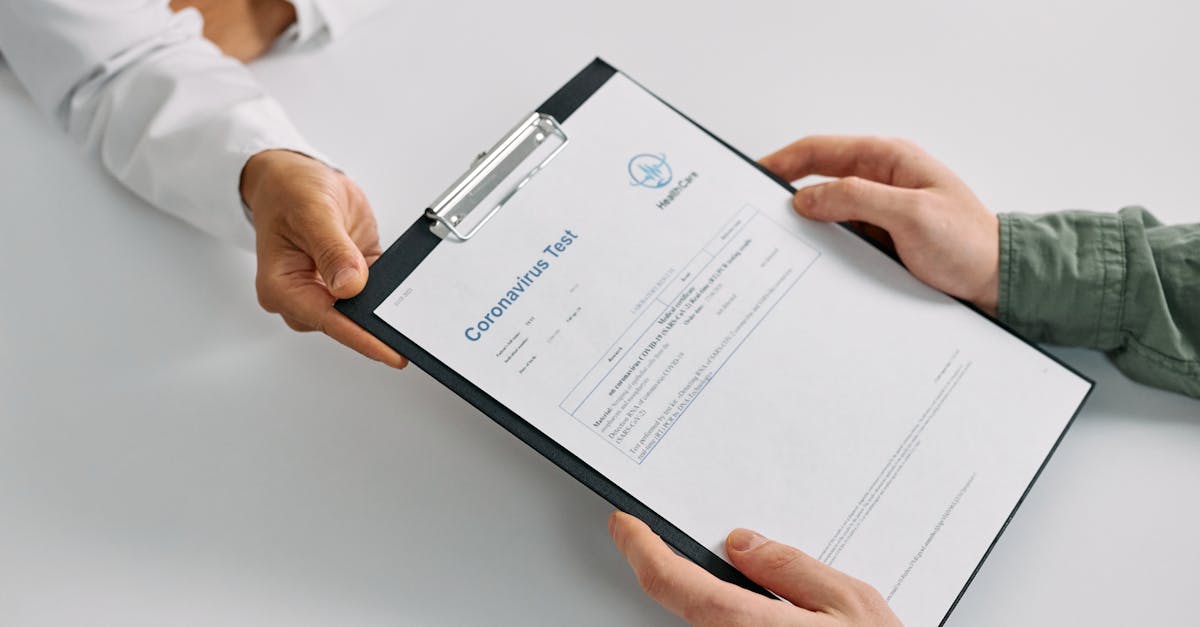
- Full report: Comprehensive English-language report including imaging findings, tumor markers, and physician interpretation delivered in 3–7 business days (often via email or hospital app).
- VIP same-afternoon results: Some hospitals (Jiahui, certain United Family packages) offer same-day verbal summary with a senior physician before you leave.
- Critical findings: Any abnormal result requiring immediate attention is flagged and communicated same-day with a recommended action plan.
How to Book
WeChat (Recommended)
WeChat is the primary booking channel for Chinese hospitals. Search for the hospital’s Chinese name to find its official account (公众号) or mini-program (小程序). Many international hospitals offer English interfaces within their WeChat programs.
- Jiahui Health: Search 上海嘉会国际医院 or call 400-868-3000 (English line available)
- United Family: Search 和睦家 or call 4008-919191
- ParkwayHealth: Search 百汇医疗
- SinoUnited Health: Search 优仕美地
Phone
All international hospitals listed above publish English hotlines. Call at least 1–2 weeks before your intended date. Have your passport number and date of birth ready.
Hotel Concierge
Many luxury hotels in Shanghai, Beijing, and Guangzhou maintain partnerships with international hospitals and can arrange bookings on your behalf. Ask your hotel’s concierge desk — this is often the lowest-friction option if you are already in China.
Visa-Free Entry and Suggested Itineraries
30-Day Unilateral Visa-Free Entry
Citizens of 54 nationalities (including France, Germany, Italy, Spain, Netherlands, Switzerland, Australia, New Zealand, South Korea, Singapore, Malaysia, Thailand, and others) can enter China for up to 30 days without a visa, for any purpose including healthcare. No medical-specific visa is required.
240-Hour Transit Visa-Free
Available to citizens of 54 countries transiting through 60 designated ports in 24 provinces. You must have a confirmed onward ticket to a third country or region departing within 240 hours (10 days). This is ideal for combining a health checkup with a brief layover.
Suggested Itineraries
Quick Layover Checkup (2–3 days, transit visa-free)
- Day 1: Arrive, settle into hotel, light dinner, early bedtime
- Day 2: Hospital checkup 7:30 AM → done by 12:00 PM. Afternoon sightseeing
- Day 3: Follow-up consultation if needed; depart
Comprehensive Screening Trip (5–7 days, 30-day visa-free)
- Day 1: Arrive, rest, hydrate, prepare for fasting
- Day 2: Hospital full-body screening, morning session
- Day 3: If endoscopy included — bowel prep day, light sightseeing
- Day 4: Gastroscopy + colonoscopy, morning session. Rest afternoon
- Day 5–6: Sightseeing while awaiting results. Follow-up consultation on result day
- Day 7: Depart with full report in hand or emailed
Canton Fair + Checkup (for business travelers)
Combine Guangzhou United Family screening (15–20% cheaper than Shanghai/Beijing) with a fair visit. Book screening on the rest day between Phase 1 and Phase 2 of the fair.
Practical Tips That Matter
Language
International hospitals (Jiahui, United Family, ParkwayHealth, SinoUnited) operate in English by default. At public hospitals, request bilingual reports specifically at check-in — otherwise you will receive a Chinese-only report that takes 2–3 extra days to translate. Key vocabulary to know:
- 体检 (tǐjiǎn) — health checkup
- 抽血 (chōuxuè) — blood draw
- 空腹 (kōngfù) — fasting / empty stomach
- 报告 (bàogào) — report
- CT / MRI / B超 (B-chāo, ultrasound) — pronounced as in English
Payment
WeChat Pay and Alipay are the primary payment methods. Set up WeChat Pay with your international Visa or Mastercard before arrival (a 3% fee applies for transactions over ¥200). Alipay supports international cards after identity verification. Cash acceptance at hospitals is inconsistent — do not rely on it. International hospitals accept direct billing from Cigna, Allianz, Bupa, and other major insurers.
What to Wear
Wear loose, comfortable clothing without metal components. No zippers, metal buttons, underwire, or jewelry if you are having CT or MRI — metal interferes with imaging. Most health examination centers provide a disposable gown for imaging stations.
Medication
If you take chronic medications (blood pressure, thyroid, diabetes), discuss them with the hospital when booking. Blood pressure medication is typically taken with a small sip of water. Blood thinners (aspirin, warfarin) must be paused 5–7 days before any procedure involving biopsy — only under physician guidance.
Timing
Tuesday through Thursday mornings are optimal — avoiding the Monday rush and Friday fatigue. Avoid January–February and November–December, which are peak corporate annual checkup seasons in China and result in longer internal waits even at international hospitals. Standard lead time for booking: 3–5 business days.
Women-Specific
Avoid scheduling during menstruation, which can affect urinalysis accuracy and certain blood markers. If pregnant or possibly pregnant, inform the hospital at booking — X-ray, CT, and PET-CT are contraindicated.
Before You Go: A Checklist
- Original passport (required, non-negotiable at every facility)
- Appointment confirmation (WeChat screenshot or email printout)
- Previous medical records, especially imaging CDs or reports from past surgeries
- List of current medications and supplements
- Family health history relevant to screening (cancer, heart disease, diabetes in first-degree relatives)
- WeChat Pay or Alipay set up and linked to a funded card
- A light snack for after the blood draw
- Travel insurance information (for potential follow-up, not routine screening)
- Comfortable shoes — health examination centers involve significant walking between stations
Related Reading
- Goodbye Metal Plates: China’s “Bone Glue” Could End Traditional Fracture Surgery — World’s first bone adhesive bonds fractures in three minutes. Dual FDA-NMPA breakthrough designation.
Sources
- SmartShanghai: The Big Guide to Health Check-ups in Shanghai
- TravelOfChina: How to Get a Medical Checkup in China — 2026 Expat Guide
- China-Expats: Chinese Medical Examination — Personal Account
- ChinaMed Waypoint: China Health Check — Practical Guide for Foreigners (2026)
- Jiahui Health: Health Management Center — Official Screening Page
- ParkwayChina: Physical Examination Center
- Shanghai Government: A Guide to Your Health Check (Official)
- National Health Commission: Required Medical Examination in the Chinese Mainland