For decades, Parkinson’s disease has destroyed neurons with a stealth that medicine could never quite catch. Now, a team led by researchers at Shanghai’s Huashan Hospital has not only identified the molecular gateway that lets the disease spread from cell to cell—the gene FAM171A2—but has also used artificial intelligence to find an existing cancer drug that slams that gateway shut.
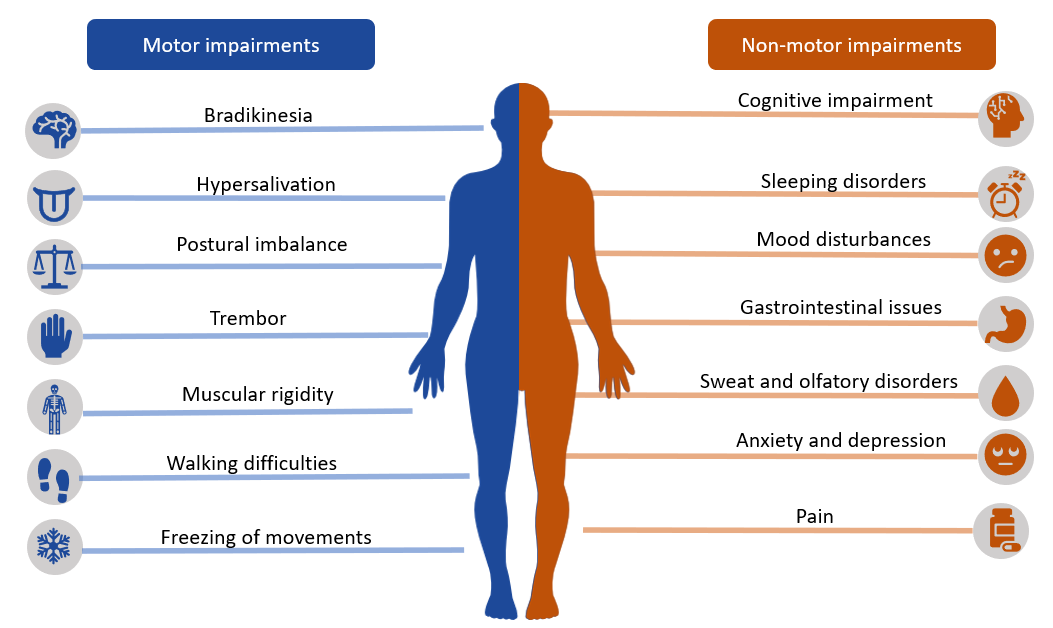
Published on the cover of Science and recognized as one of China’s top scientific advances of 2025, this dual discovery may represent the most significant leap in Parkinson’s treatment research in a generation.
The Prion-Like Propagation Mystery
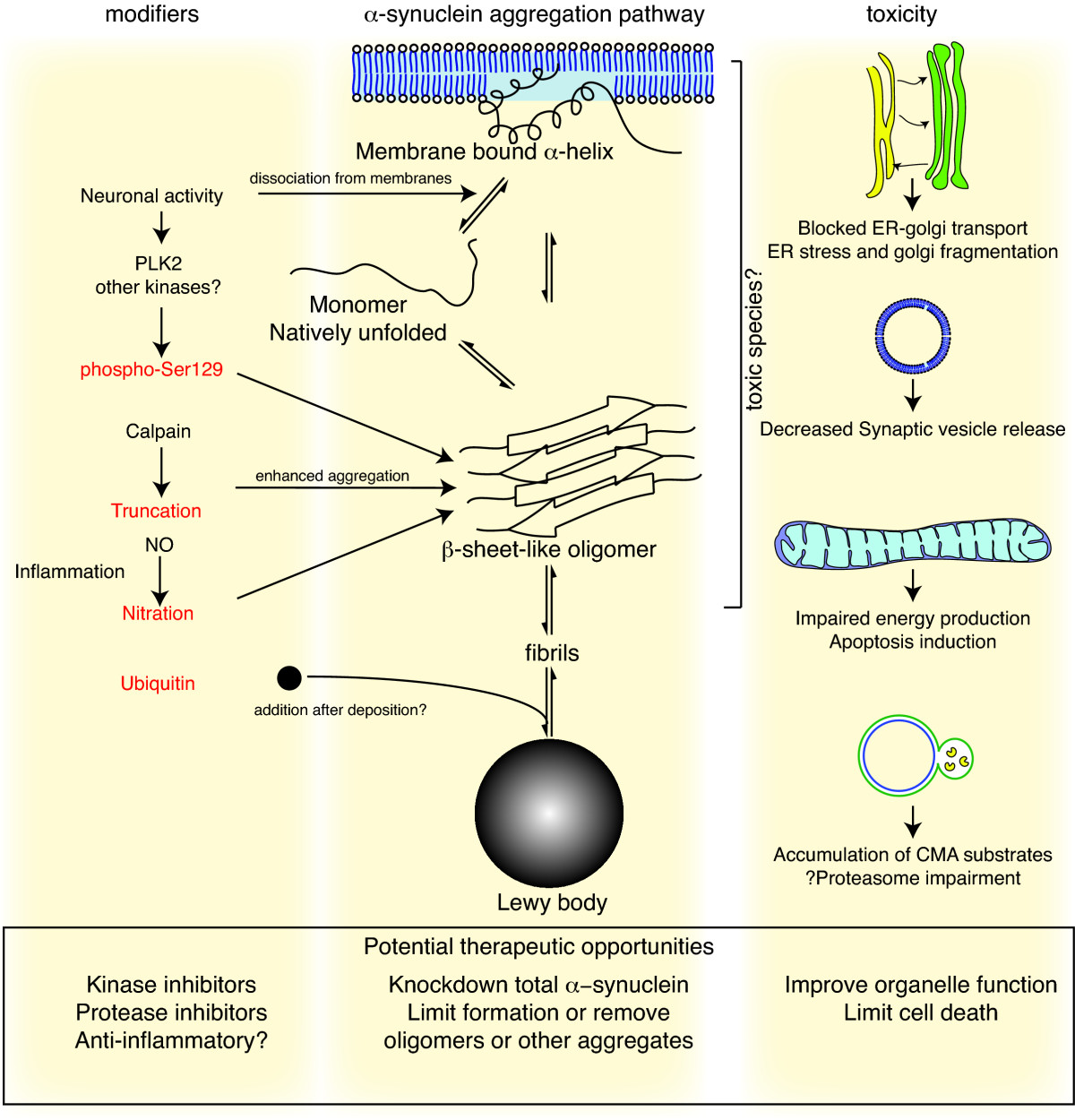
Parkinson’s disease affects over 10 million people globally and over 3 million in China alone. Current therapies manage symptoms but do nothing to halt the underlying neurodegeneration. The disease continues its relentless progression year after year.
Alpha-synuclein is a protein that normally functions at synaptic terminals. In Parkinson’s disease, this protein misfolds and aggregates into toxic structures. The critical insight is that these misfolded alpha-synuclein fibrils behave in a prion-like fashion: they can be released from diseased neurons, taken up by neighboring healthy neurons, and convert normal alpha-synuclein into the pathological form.
The central puzzle remained: how exactly do the pathological fibrils get inside healthy neurons? The FAM171A2 discovery resolved this mystery by identifying a neuronal receptor with extraordinary selectivity for pathological fibrils.
The FAM171A2 Discovery
FAM171A2 (Family with Sequence Similarity 171 Member A2) was identified as a transmembrane protein expressed on the surface of neurons that acts as a receptor for pathological alpha-synuclein fibrils. When fibrils encounter a neuron expressing FAM171A2, the protein binds the fibrils and mediates their endocytosis—pulling the toxic seeds inside the cell.
The functional evidence was compelling. Overexpression of FAM171A2 in neuronal models dramatically increased the uptake of alpha-synuclein fibrils. Conversely, neuronal-specific knockdown of FAM171A2 was protective, significantly reducing fibril uptake and blocking the propagation of pathology from cell to cell.
Electrostatic Selectivity: 1,000-Fold Preference
The FAM171A2–alpha-synuclein interaction shows extraordinary selectivity. Through detailed structural and biophysical analyses, the first extracellular domain of FAM171A2 interacts directly with the C-terminal region of alpha-synuclein with a binding affinity more than 1,000 times stronger for pathological fibrils than for normal, monomeric alpha-synuclein.
This selectivity is biologically crucial. Normal alpha-synuclein monomers are present at very high concentrations in the brain. If FAM171A2 bound monomers with comparable affinity, it would be perpetually occupied by harmless protein. The electrostatic selectivity mechanism ensures that FAM171A2 effectively ignores the vast sea of normal alpha-synuclein and homes in on the rare but dangerous fibrillar species.
AI Discovers Bemcentinib
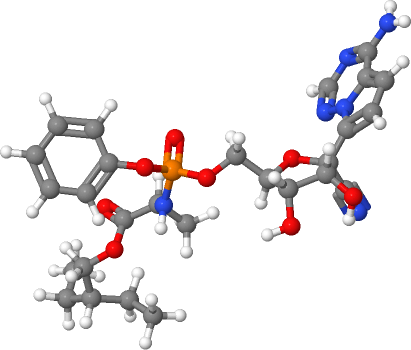
Using AI-driven virtual screening, the researchers computationally docked millions of small molecules against the structural model of FAM171A2’s extracellular domain, searching for compounds that could disrupt the electrostatic interface. The screening identified bemcentinib (also known as BGB324) as the top candidate.
Bemcentinib is a small-molecule inhibitor of the AXL receptor tyrosine kinase, originally developed for cancer therapy. It has known pharmacokinetics, a documented safety profile, and existing manufacturing supply—all enormous advantages for repurposing.
From Computer to Living Organisms
The Huashan team validated bemcentinib through a rigorous, multi-stage experimental pipeline:
- In vitro binding assays: Bemcentinib directly interacts with FAM171A2 and disrupts the FAM171A2–alpha-synuclein fibril interaction
- Cellular models: Bemcentinib treatment significantly reduced the uptake of pathological alpha-synuclein fibrils in primary neuronal cultures and human iPSC-derived neurons
- In vivo validation: Mice treated with bemcentinib showed significantly reduced propagation of alpha-synuclein pathology, decreased neuronal loss in the substantia nigra, and preserved motor function
Because bemcentinib has already been through Phase I and Phase II clinical trials in oncology, the path to Parkinson’s clinical testing is dramatically shorter than for a novel compound.
The Plasma Proteome Atlas Foundation

The FAM171A2 discovery emerged from systematic research at Huashan Hospital that produced ambitious proteomic datasets. In January 2025, Professor Yu Jintai’s team published a landmark plasma proteome atlas on the cover of Cell—analyzing 2,920 plasma proteins across 53,026 individuals, mapping associations with 1,066 disease phenotypes.
The atlas identified 474 proteins with causal relationships to disease through Mendelian randomization analyses. FAM171A2’s presence among them, with its causal link to Parkinson’s disease, directly motivated the mechanistic investigation that culminated in the Science paper.
Implications for Patients Worldwide

For the first time, there is a clear, validated molecular target and a drug candidate that blocks it, with in vivo evidence of disease modification. This is fundamentally different from previous therapeutic approaches, which focused on symptom management or broadly targeting alpha-synuclein.
Clinical trials for bemcentinib in Parkinson’s disease are expected to follow. If successful, this could become the first disease-modifying therapy for any neurodegenerative condition—a breakthrough that would reshape the entire field of neurology.
Huashan Hospital, affiliated with Fudan University and home to China’s National Center for Neurological Diseases, has positioned itself at the forefront of translational neuroscience. The back-to-back cover publications in Cell and Science mark a milestone not just for Chinese neuroscience but for the global effort to conquer neurodegenerative disease.
Sources:
- Yu Jintai et al., “Neuronal FAM171A2 mediates alpha-synuclein fibril uptake and drives Parkinson’s disease,” Science, Vol. 387, Issue 6736, pp. 892-900, February 21, 2025.
- Yu Jintai et al., “Plasma proteome atlas across 53,026 individuals,” Cell, January 2025.
- Proteome-Phenome Atlas interactive web portal: proteome-phenome-atlas.com
- CGTN News, “Chinese researchers find new target to treat Parkinson’s disease,” February 22, 2025.