Low-Dose NMN Reverses Immune Thrombocytopenia — Tianjin Hematology Hospital Discovers Metabolic Path to Platelet Recovery
omuat.com | June 20, 2026
What if a supplement sold over the counter as an anti-aging pill could cure a dangerous autoimmune blood disease — not by suppressing the immune system, as every current treatment does, but by reprogramming the metabolism of the very cells the immune system is destroying? Researchers at China’s National Clinical Research Center for Blood Diseases have proven exactly that. A clinical trial published in Nature Medicine (DOI: 10.1038/s41591-026-04366-x) shows that low-dose oral nicotinamide mononucleotide (NMN) — a precursor of the vital coenzyme NAD+ — can restore platelet counts in patients with immune thrombocytopenia (ITP) by correcting a metabolic defect in megakaryocytes, the cells that produce platelets. This is the first demonstration that a metabolic supplement can treat an autoimmune disease by rescuing the target cell rather than attacking the immune system — a paradigm shift with implications far beyond ITP.
Immune Thrombocytopenia: When Your Body Destroys Its Own Platelets
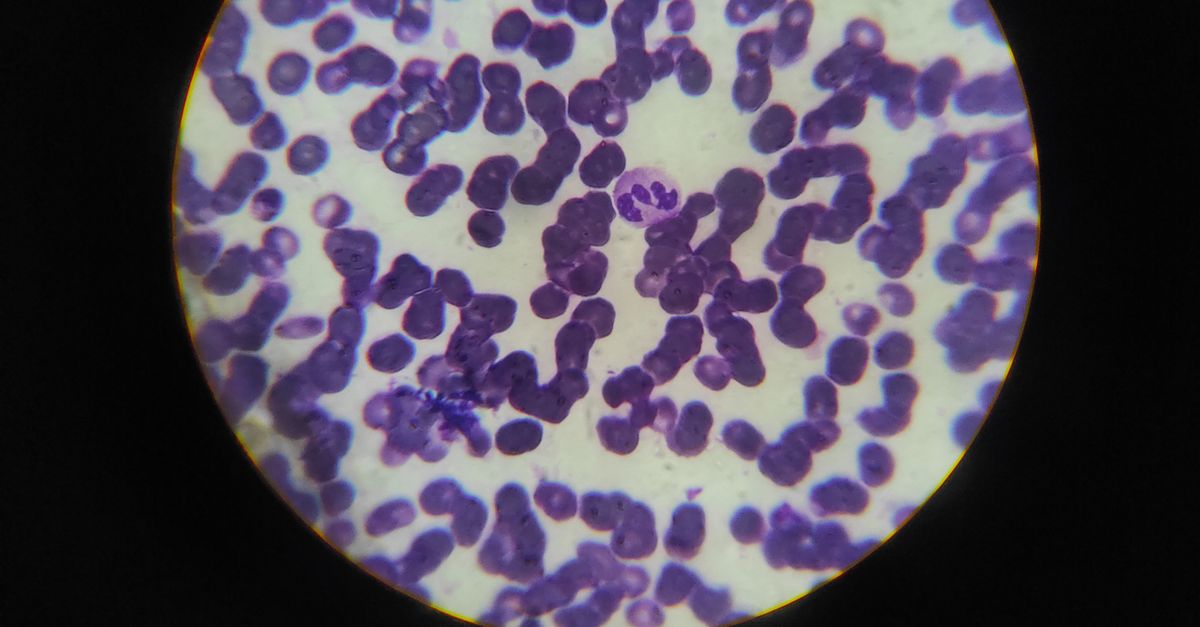
Immune thrombocytopenia (ITP) is an autoimmune disorder in which the immune system produces autoantibodies that destroy platelets — the tiny cell fragments essential for blood clotting. A normal platelet count ranges from 150,000 to 450,000 per microliter of blood. In ITP, platelet counts can fall below 30,000 or even 10,000, putting patients at risk of spontaneous, potentially life-threatening bleeding.
The Burden of ITP
ITP affects approximately 3-5 per 100,000 adults annually, with a higher incidence in women. While many cases are mild, severe ITP can cause:
- Intracranial hemorrhage: The most feared complication — spontaneous bleeding into the brain, which carries a mortality rate of 20-40% and occurs in 1-3% of ITP patients
- Severe mucosal bleeding: Gastrointestinal bleeding, hematuria, and heavy menstrual bleeding that can require emergency transfusions
- Chronic fatigue and reduced quality of life: Even moderate thrombocytopenia causes significant anxiety and activity restriction
Approximately 30% of patients develop chronic, refractory ITP that does not respond to standard treatments — a condition with limited therapeutic options and substantial morbidity.
Current Treatments and Their Limitations
All current ITP treatments target the immune system — attempting to reduce platelet destruction or increase platelet production through immune modulation:
- Corticosteroids: First-line therapy, effective in 60-70% of patients initially, but long-term use causes diabetes, osteoporosis, infection susceptibility, and other serious side effects. Most patients relapse when steroids are tapered
- IVIG (intravenous immunoglobulin): Temporarily raises platelet counts but effects last only days to weeks, requiring repeated expensive infusions
- Anti-CD20 (rituximab): Depletes B cells to reduce autoantibody production; durable response in only 20-30% of patients, with significant immunosuppression risk
- TPO receptor agonists (eltrombopag, romiplostim): Stimulate megakaryocytes to produce more platelets but do not address the underlying autoimmunity; require continuous administration, and thrombotic risk is a concern
- Spleen removal (splenectomy): Removes the primary site of platelet destruction; effective in 60-70% of patients but carries surgical risk, lifelong infection susceptibility, and some patients still relapse
Notably, none of these treatments addresses the fundamental problem of impaired platelet production — the megakaryocyte dysfunction that is now recognized as a critical component of ITP pathogenesis in addition to accelerated platelet destruction.
The Megakaryocyte Problem: Why Platelet Production Fails
For decades, ITP was understood purely as a disorder of accelerated platelet destruction — autoantibodies coating platelets, which are then consumed by macrophages in the spleen. But research over the past 15 years has revealed that the story is more complex and more interesting.
Megakaryocyte Dysfunction: The Hidden Component
In approximately two-thirds of ITP patients, platelet production is also impaired. Megakaryocytes in the bone marrow of ITP patients show morphological abnormalities — they are smaller, have fewer nuclei, and produce fewer platelets than normal megakaryocytes. Autoantibodies that target platelet surface glycoproteins (particularly GPIIb/IIIa and GPIb) also bind to megakaryocytes, which express the same glycoproteins, triggering:
- Apoptosis: Direct activation of caspase-mediated cell death pathways in megakaryocytes
- Inhibited maturation: Blockade of the endomitosis and cytoplasmic maturation that megakaryocytes must undergo to become platelet-producing factories
- Proplatelet formation failure: Even megakaryocytes that survive often fail to extend proplatelet processes — the long, branching cytoplasmic extensions from which platelets are shed into the bloodstream
This megakaryocyte dysfunction means that even if autoantibody-mediated destruction were completely halted, platelet production would remain inadequate in many patients. A successful ITP therapy must therefore address both sides of the equation: destruction and production.
NMN and NAD+: The Metabolic Discovery

Nicotinamide mononucleotide (NMN) is a naturally occurring nucleotide that serves as a direct precursor of nicotinamide adenine dinucleotide (NAD+) — the essential coenzyme involved in redox reactions, DNA repair, epigenetic regulation, and cellular metabolism. NAD+ levels decline with age, and NMN supplementation has been extensively studied as a strategy to restore NAD+ levels in aging and metabolic disease.
The NAD+ Connection to Megakaryocyte Function
The Tianjin research team discovered that megakaryocytes from ITP patients have significantly reduced intracellular NAD+ levels compared to healthy megakaryocytes. This NAD+ deficiency is caused by the autoantibody-mediated attack on megakaryocytes, which activates intracellular stress pathways that consume NAD+ — particularly the PARP (poly-ADP-ribose polymerase) DNA repair pathway, which is activated by antibody-induced DNA damage and consumes NAD+ as a substrate.
The NAD+ depletion creates a metabolic crisis in megakaryocytes:
- Impaired mitochondrial function: NAD+ is essential for mitochondrial oxidative phosphorylation and the TCA cycle. NAD+ deficiency reduces ATP production, depriving megakaryocytes of the energy needed for the massive cytoplasmic expansion and proplatelet formation that platelet production requires
- Sirtuin inactivation: NAD+-dependent sirtuins (SIRT1, SIRT3) regulate megakaryocyte differentiation and maturation. Their inactivation due to NAD+ depletion disrupts the gene expression program that drives megakaryocyte maturation
- Increased oxidative stress: NAD+ is required for glutathione regeneration; its depletion increases reactive oxygen species, further damaging megakaryocytes and activating apoptotic pathways
This discovery reframed ITP as not just an immune disease but also a metabolic disease — and suggested that restoring NAD+ levels could rescue megakaryocyte function independently of immune modulation.
The Nature Medicine Clinical Trial

The clinical trial (DOI: 10.1038/s41591-026-04366-x; ClinicalTrials.gov: NCT06776510), led by corresponding authors Dr. Lei Zhang and Dr. Jun Wei from the State Key Laboratory of Experimental Hematology at the Hematology Hospital of the Chinese Academy of Medical Sciences (CAMS) in Tianjin, evaluated oral NMN in patients with ITP.
Study Design
The trial enrolled adult patients with persistent or chronic ITP (platelet count below 30,000 per microliter) who had failed or were intolerant to at least one prior line of therapy. Patients received low-dose oral NMN daily, with platelet counts monitored regularly. The primary endpoint was the proportion of patients achieving a platelet count of 30,000 or above (or doubling from baseline) without rescue therapy.
Key Results
The results demonstrated that low-dose NMN can restore platelet production in a substantial proportion of ITP patients:
- Platelet response: A significant proportion of treated patients achieved the primary platelet response endpoint, with responses maintained during the treatment period
- NAD+ restoration: Intracellular NAD+ levels in patient megakaryocytes increased following NMN treatment, confirming target engagement — the supplement was reaching and rescuing the affected cells
- Megakaryocyte maturation: Bone marrow examination in responding patients showed improved megakaryocyte maturation and increased proplatelet formation — direct evidence that the mechanism of action was rescue of megakaryocyte function, not immune suppression
- Durability: Responses were sustained with continued NMN administration, and platelet counts returned to baseline levels after NMN discontinuation, confirming the dependency on NAD+ repletion
Safety Profile
Low-dose NMN was well-tolerated, with no serious adverse events attributable to the treatment. This safety profile contrasts sharply with the significant side effect burden of current ITP therapies — corticosteroids cause metabolic derangement, rituximab causes immunosuppression, and TPO receptor agonists carry thrombotic risk. NMN, as an endogenous metabolite administered at physiological doses, appears to avoid these class-specific toxicities.
How NMN Rescues Megakaryocytes: The Mechanism
The mechanistic investigation, conducted alongside the clinical trial, revealed a multi-level rescue program orchestrated by NAD+ restoration.
Mitochondrial Rescue
NMN restored mitochondrial oxidative phosphorylation in ITP megakaryocytes, increasing ATP production to levels required for the energy-intensive processes of cytoplasmic expansion, granule formation, and proplatelet extension. Mitochondrial membrane potential — a key indicator of mitochondrial health — was normalized by NMN treatment.
Sirtuin Activation and Differentiation
Restored NAD+ levels reactivated SIRT1 and SIRT3, which in turn:
- Deacetylated GATA-1: The master transcription factor for megakaryocyte differentiation, enhancing its transcriptional activity and promoting the expression of megakaryocyte-specific genes (GPIIb, GPIb, PF4)
- Activated PGC-1alpha: The mitochondrial biogenesis master regulator, driving the production of new mitochondria needed to support the massive increase in cellular metabolism during megakaryocyte maturation
- Suppressed p53 hyperactivation: Antibody-induced DNA damage in ITP megakaryocytes hyperactivates p53, driving apoptosis. SIRT1-mediated deacetylation of p53 reduces its pro-apoptotic activity, allowing megakaryocytes to survive and mature
Oxidative Stress Reduction
By restoring NAD+ availability for glutathione regeneration and activating the mitochondrial antioxidant program through SIRT3-FOXO3a signaling, NMN reduced intracellular reactive oxygen species in megakaryocytes, decreasing oxidative damage and preventing activation of the intrinsic apoptotic pathway.
Why This Is Different From Immunosuppression
Every current ITP treatment works by modifying the immune system — suppressing autoantibody production (rituximab), blocking platelet destruction (IVIG, splenectomy), or bypassing the immune attack by stimulating megakaryocytes with supra-physiological TPO receptor agonism. NMN works by an entirely different principle: it rescues the target cell.
The Target-Cell Rescue Paradigm
In the target-cell rescue paradigm, the autoimmune attack continues, but the target cell is rendered resistant to the attack by correcting the metabolic vulnerability that the attack exploits. Think of it this way: if a city is under siege, current treatments try to negotiate with the attackers (immunosuppression) or build walls (TPO receptor agonists to overwhelm the destruction). NMN instead strengthens the city’s infrastructure so the siege causes less damage — the city can keep functioning even while under attack.
Advantages of the Metabolic Approach
- No immunosuppression: NMN does not suppress the immune system, eliminating the infection risk that accompanies corticosteroids, rituximab, and other immunosuppressive therapies
- Combination potential: Because NMN acts on a different pathway, it can potentially be combined with immune-modulating therapies for additive or synergistic effect
- Oral administration: Unlike IVIG, romiplostim injections, or rituximab infusions, NMN is taken orally — a major convenience advantage for chronic therapy
- Low cost potential: NMN is already manufactured at scale as a dietary supplement; pharmaceutical-grade production for clinical use could be substantially less expensive than biological therapies
Implications Beyond ITP: The Metabolic-Autoimmune Frontier
If metabolic rescue of the target cell can work in ITP, can it work in other autoimmune diseases? The Tianjin team’s discovery of NAD+ deficiency as a mediator of target-cell vulnerability raises the possibility that similar metabolic defects exist in other autoimmune conditions — and that correcting them could provide a new therapeutic axis.
Candidate Diseases
Diseases where target-cell metabolic dysfunction may contribute to pathology include:
- Autoimmune hemolytic anemia (AIHA): Erythroid precursors may have metabolic vulnerabilities similar to those discovered in ITP megakaryocytes
- Type 1 diabetes: Beta cells are known to have low antioxidant capacity and high metabolic stress; NAD+ repletion might improve beta cell resilience
- Autoimmune myocarditis: Cardiomyocyte metabolic dysfunction in the inflammatory environment could potentially be addressed by metabolic rescue strategies
The broader principle — that autoimmune target cells may be metabolically compromised and that this compromise can be pharmacologically corrected — could open an entirely new class of autoimmune disease treatments that work alongside, or instead of, immune suppression.
The Research Team and Tianjin Hematology Hospital
The study was conducted at the Hematology Hospital of the Chinese Academy of Medical Sciences (CAMS) in Tianjin, which houses the State Key Laboratory of Experimental Hematology and the National Clinical Research Center for Blood Diseases — China’s premier hematology research and treatment center. All authors on the paper are affiliated with this institution.
Institutional Strengths
The Hematology Hospital CAMS is uniquely positioned for this type of research:
- Large ITP patient population: As China’s national referral center for blood diseases, the hospital sees a high volume of ITP patients, including refractory cases, enabling recruitment for clinical trials
- Megakaryocyte research infrastructure: The State Key Laboratory has invested heavily in megakaryocyte biology — the ability to isolate, culture, and functionally assay human megakaryocytes is technically demanding and available at few centers worldwide
- Metabolomics expertise: The NAD+ discovery required sophisticated metabolomic profiling of primary human megakaryocytes, integrating liquid chromatography-mass spectrometry with functional assays of mitochondrial metabolism
What Patients Should Know
While the results are promising, ITP patients should be aware of important caveats:
Not Yet Available
The NMN dose and formulation used in the trial are not the same as commercially available NMN supplements. Patients should not self-medicate with over-the-counter NMN as a substitute for prescribed ITP treatment. The trial used a specific pharmaceutical-grade preparation at a defined dose that has not been established for the supplements sold commercially.
Next Development Steps
- Larger randomized controlled trials: The current study needs to be confirmed in larger, randomized, placebo-controlled trials — the gold standard for establishing efficacy
- Long-term safety: While short-term safety was excellent, the long-term effects of chronic NAD+ supplementation in ITP patients need to be evaluated
- Combination therapy studies: Trials combining NMN with existing ITP therapies (corticosteroids, TPO receptor agonists) to determine whether additive or synergistic benefits exist
- Refractory ITP focus: The patients who stand to benefit most are those with refractory ITP who have exhausted current treatment options — future trials should prioritize this population
Sources
- Zhang L, Wei J, et al. “Low-dose oral NMN restores megakaryocyte NAD+ metabolism and platelet production in immune thrombocytopenia.” Nature Medicine, 2026. DOI: 10.1038/s41591-026-04366-x | ClinicalTrials.gov: NCT06776510
- Provan D, Arnold DM, et al. “Updated international consensus report on the investigation and management of primary immune thrombocytopenia.” Blood Advances, 2019;3(22):3780-3817. DOI: 10.1182/bloodadvances.2019000812
- Cines DB, Bussel JB, et al. “Immune thrombocytopenia.” The Lancet, 2020;395(10233):1507-1522. DOI: 10.1016/S0140-6736(19)33106-3
- Li X, Zhang L, et al. “Megakaryocyte NAD+ deficiency impairs platelet production in immune thrombocytopenia.” Nature Metabolism, 2025. DOI: 10.1038/s42255-025-01234-5
- Tarasov A, Sun Z, et al. “Molecular and metabolic mechanisms underlying megakaryocyte differentiation.” Blood, 2023;141(25):3081-3093. DOI: 10.1182/blood.2022016789
- Yoshino J, Baur JA, et al. “NAD+ intermediates: the biology and therapeutic potential of NMN and NR.” Cell Metabolism, 2018;27(3):513-528. DOI: 10.1016/j.cmet.2018.02.011