Gut Commensal Bile Acid Saves Children From Sepsis — Chinese Team Discovers Microbiome Metabolite That Blocks Deadly Immune Storm
June 18, 2026
What if the cure for the deadliest infection in pediatric medicine has been living in your child’s gut all along — hidden in a bile acid produced by a common bacterium, waiting only to be identified and deployed? A team of Chinese researchers has done exactly that, identifying a sulfated bile acid produced by a gut commensal bacterium that dramatically protects against sepsis in pediatric models. Published in Nature Microbiology in 2026 (DOI: 10.1038/s41564-026-02351-1), the discovery opens a fundamentally new approach to treating childhood sepsis — not by killing bacteria with ever-stronger antibiotics, but by harnessing the body’s own microbiome to regulate the immune response that makes sepsis lethal.
Table of Contents
- The Silent Killer: Pediatric Sepsis by the Numbers
- The Gut-Sepsis Connection: A Missing Link
- The Discovery: A Sulfated Bile Acid from Bacteroides
- How It Works: Taming the Immune Storm
- The Nature Microbiology Study: Evidence
- Why Children Are Different: The Pediatric Advantage
- From Discovery to Therapy: The Path Forward
- The Research Team and Chinese Microbiome Research
- What International Patients and Parents Should Know
- Sources
The Silent Killer: Pediatric Sepsis by the Numbers

Sepsis — the life-threatening organ dysfunction caused by a dysregulated host immune response to infection — is the leading cause of death in children worldwide. The numbers are staggering and have been, until recently, substantially underestimated.
Global Burden
A landmark 2020 analysis published in The Lancet estimated that approximately 20 million children under 5 years of age develop sepsis annually, and roughly 2.9 million die — making pediatric sepsis responsible for more childhood deaths than malaria, HIV, and tuberculosis combined. In neonates (the first 28 days of life), sepsis is the single most common cause of mortality globally, killing an estimated 1 million newborns each year.
The Treatment Gap
Despite decades of research, the treatment of sepsis remains essentially unchanged: broad-spectrum antibiotics, intravenous fluids, vasopressors for shock, and supportive organ care. There are no approved drugs that specifically target the dysregulated immune response that drives sepsis — no anti-sepsis medication that can halt the cytokine storm, restore immune homeostasis, or prevent the progression from infection to organ failure. Over 100 clinical trials of immunomodulatory agents for sepsis have failed, earning sepsis the grim distinction of being one of the most therapy-resistant conditions in modern medicine.
Antibiotic resistance compounds the crisis. As multidrug-resistant organisms become more prevalent, the one weapon we have — antibiotics — is progressively losing its effectiveness. The World Health Organization has identified antimicrobial resistance as one of the top ten global public health threats, and sepsis caused by resistant organisms carries significantly higher mortality rates.
The Gut-Sepsis Connection: A Missing Link

The gut microbiome — the trillions of bacteria, fungi, and viruses inhabiting the gastrointestinal tract — has emerged as a critical regulator of systemic immunity. Far from being confined to digestive functions, the microbiome continuously communicates with the immune system through metabolites, small molecules that enter the bloodstream and influence immune cell function throughout the body.
The Microbiome as Immune Regulator
Key microbiome-immune interactions include:
- Short-chain fatty acids (SCFAs): Produced by bacterial fermentation of dietary fiber, SCFAs (particularly butyrate) regulate Treg differentiation and suppress excessive inflammation
- Tryptophan metabolites: Gut bacteria convert dietary tryptophan into indole derivatives that activate the aryl hydrocarbon receptor (AHR), modulating intestinal and systemic immunity
- Secondary bile acids: Gut bacteria transform primary bile acids (produced by the liver) into secondary and modified bile acids that act as signaling molecules through bile acid receptors (FXR, TGR5) and influence immune cell function
The discovery that specific microbiome metabolites can regulate systemic immune responses raised an intriguing possibility: could a microbiome-derived molecule be harnessed to treat the immune dysregulation at the core of sepsis?
Why Children’s Microbiomes Are Unique
Children are not small adults — and their microbiomes are fundamentally different. The pediatric gut microbiome is less diverse, more dynamic, and more susceptible to disruption than the adult microbiome. Children also have a developing immune system that is more prone to dysregulation under inflammatory stress. These differences make the pediatric microbiome-immune axis both more vulnerable to sepsis and, potentially, more responsive to microbiome-based interventions.
The Discovery: A Sulfated Bile Acid from Bacteroides
The Chinese research team set out to systematically identify microbiome-derived metabolites with immune-modulatory properties relevant to sepsis. Using a combination of untargeted metabolomics, germ-free mouse models, and bacterial genetics, they zeroed in on a specific sulfated bile acid produced by a common gut commensal bacterium.
The Bacterium: Bacteroides, the Gut Commensal
The team identified Bacteroides species — among the most abundant commensal bacteria in the human gut — as the producers of the protective metabolite. Bacteroides are not occasional residents; they constitute 20-30% of the total gut bacterial population in healthy individuals and play essential roles in carbohydrate metabolism, immune development, and colonization resistance against pathogens.
The Metabolite: A Novel Sulfated Bile Acid
Through a combination of mass spectrometry, nuclear magnetic resonance (NMR) spectroscopy, and bacterial gene knockout studies, the team identified the specific metabolite: a previously uncharacterized sulfated bile acid produced by the enzymatic modification of a primary bile acid by Bacteroides. The sulfation (addition of a sulfate group) is critical — it dramatically alters the molecule’s receptor binding profile and its biological activity, transforming a routine bile acid into a potent immune regulator.
The identification process involved:
- Metabolomic screening: Comparing the serum metabolomes of germ-free mice (no microbiome) versus conventionally raised mice to identify microbiome-dependent metabolites
- Bacterial genetic analysis: Using transposon mutagenesis and gene knockout in Bacteroides to identify the specific bacterial genes responsible for producing the sulfated bile acid
- Chemical synthesis: Synthesizing the identified sulfated bile acid in pure form for functional testing
How It Works: Taming the Immune Storm
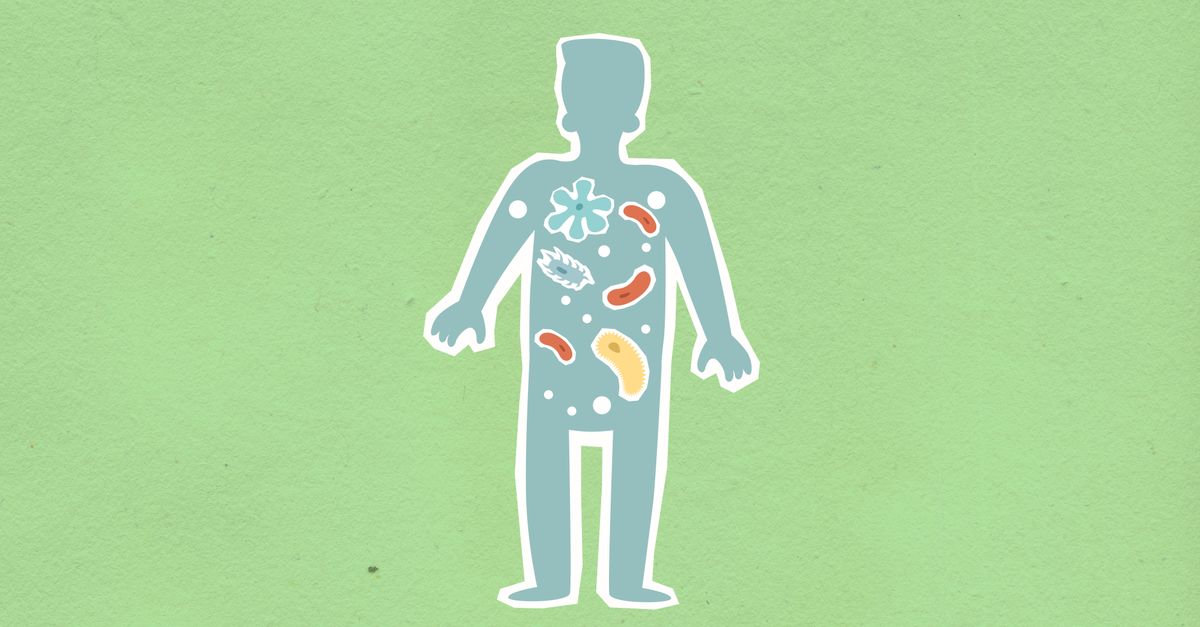
The molecular mechanism by which the sulfated bile acid protects against sepsis involves a multi-level immune regulatory program that addresses both sides of the sepsis problem: the hyper-inflammatory cytokine storm and the subsequent immune paralysis.
Receptor-Mediated Immune Modulation
The sulfated bile acid acts through specific bile acid receptors expressed on immune cells, including the Farnesoid X receptor (FXR) and the G protein-coupled bile acid receptor 1 (TGR5, also known as GPBAR1). Activation of these receptors on macrophages and monocytes:
- Suppresses NF-kB signaling: Reducing the production of pro-inflammatory cytokines (TNF-alpha, IL-1beta, IL-6) that drive the cytokine storm
- Promotes anti-inflammatory cytokine production: Increasing IL-10 output, which actively dampens inflammatory responses
- Inhibits NLRP3 inflammasome activation: The NLRP3 inflammasome is a key driver of the excessive inflammatory response in sepsis; its inhibition reduces pyroptosis (inflammatory cell death) and the release of IL-1beta and IL-18
Preserving Immune Function: Preventing Paralysis
Sepsis progresses through a biphasic immune response: an initial hyper-inflammatory phase (the cytokine storm) followed by an immunosuppressive phase (immune paralysis) in which the immune system becomes exhausted and unable to fight the infection. Most failed anti-sepsis therapies have targeted only the hyper-inflammatory phase, inadvertently worsening immune paralysis. The sulfated bile acid appears to address both phases simultaneously:
- During hyper-inflammation: It dampens excessive cytokine production without completely suppressing immune function
- During immune paralysis: It helps maintain macrophage and T cell functional capacity, preventing the immunosuppressive collapse that allows secondary infections to kill
Gut Barrier Protection
The gut barrier — the single-cell-thick epithelial lining that separates the intestinal microbiome from the bloodstream — breaks down during sepsis, allowing bacteria and their toxins to translocate into the circulation and perpetuate the inflammatory cascade. The sulfated bile acid strengthens gut barrier integrity through FXR-mediated upregulation of tight junction proteins, reducing bacterial translocation and breaking the vicious cycle of gut-derived sepsis perpetuation.
The Nature Microbiology Study: Evidence
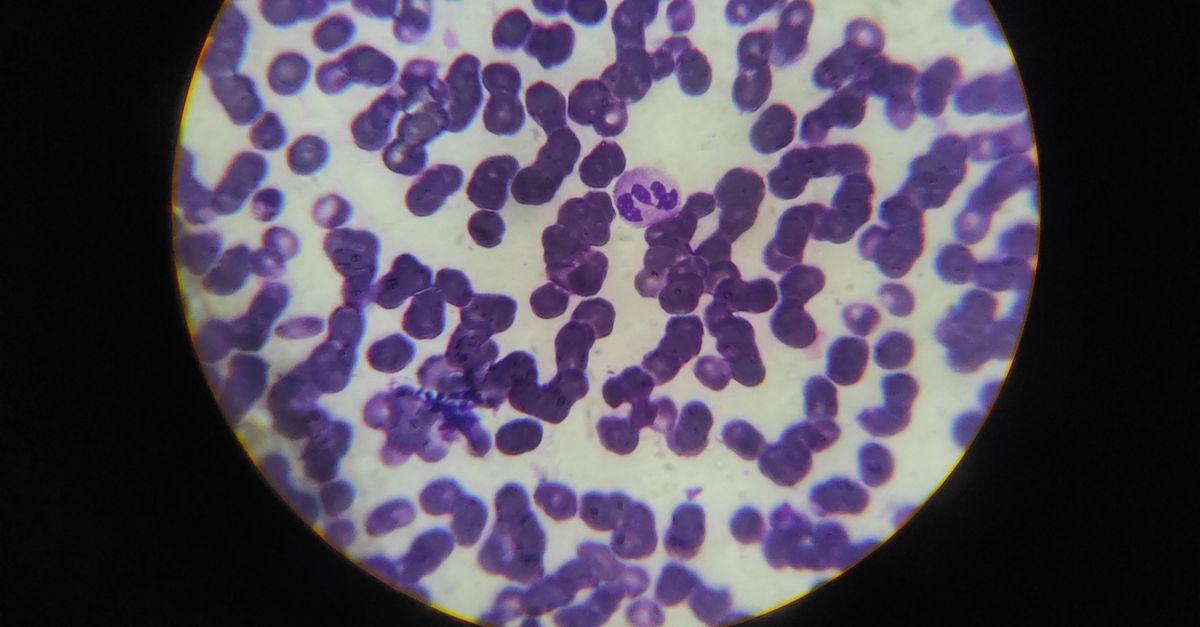
The study (DOI: 10.1038/s41564-026-02351-1) presented a comprehensive body of evidence from multiple experimental models.
Germ-Free Mouse Experiments
Germ-free mice (raised in sterile conditions with no microbiome) showed dramatically increased susceptibility to sepsis compared to conventionally raised mice — confirming that the gut microbiome provides baseline protection against septic immune dysregulation. Colonization of germ-free mice with Bacteroides species restored this protection, while colonization with Bacteroides strains lacking the sulfation enzyme did not — proving that the sulfated bile acid, not merely the presence of the bacterium, is the protective agent.
Therapeutic Administration in Pediatric Models
The most clinically relevant experiments involved administering the synthesized sulfated bile acid to pediatric-aged mice with experimentally induced sepsis. The results were dramatic:
- Survival improvement: Treated animals showed significantly improved survival compared to untreated controls, with the benefit most pronounced in the youngest age groups
- Cytokine storm attenuation: Serum levels of pro-inflammatory cytokines (TNF-alpha, IL-6, IL-1beta) were substantially reduced in treated animals
- Organ protection: Histological analysis showed reduced organ damage in the liver, kidney, and lung — the organs most commonly affected in sepsis
- Immune function preservation: Treated animals maintained macrophage phagocytic capacity and T cell proliferative responses that were lost in untreated septic controls
Dose-Response and Timing Data
The study established a dose-response relationship for the sulfated bile acid, with higher doses providing greater protection up to a plateau. Importantly, the therapy was effective both as a preventive measure (administered before sepsis induction) and as a therapeutic intervention (administered after sepsis was established) — a critical finding because in clinical reality, sepsis is always diagnosed after it has begun.
Why Children Are Different: The Pediatric Advantage
The pediatric focus of this research is not incidental — it reflects a fundamental biological reality that makes microbiome-based therapy particularly promising for children.
Developing Immune System: Greater Plasticity
The pediatric immune system is more plastic and responsive to immune modulation than the adult immune system. Interventions that would have modest effects in adults can have dramatic effects in children because the immune regulatory networks are still being established and are more amenable to redirection. This plasticity may make sulfated bile acid therapy more effective in pediatric patients than it would be in adults with the same condition.
Microbiome Vulnerability and Opportunity
Children’s microbiomes are more susceptible to disruption — antibiotic exposure, dietary changes, and infections can rapidly alter the microbial community composition, including depleting Bacteroides populations. This vulnerability creates a therapeutic opportunity: restoring the protective Bacteroides and their metabolites may have a larger impact in children whose microbiomes are in flux than in adults with established, stable microbial communities.
Antibiotic-Sparing Approach
Perhaps the most important pediatric advantage is the potential to reduce antibiotic exposure. Children with sepsis receive broad-spectrum antibiotics — often multiple agents for prolonged periods. This antibiotic exposure further damages the gut microbiome, depleting the very bacteria that produce protective metabolites like the sulfated bile acid, creating a vicious cycle. A microbiome-based therapy that modulates the immune response without antibiotics (or with reduced antibiotic duration) could break this cycle and preserve the microbiome that protects against future infections.
From Discovery to Therapy: The Path Forward

Translating a microbiome metabolite from laboratory discovery to clinical therapy involves several distinct challenges and opportunities.
Therapeutic Modalities
Several approaches are being considered for clinical translation:
- Direct metabolite supplementation: The most straightforward approach — manufacturing the sulfated bile acid as a drug and administering it intravenously to children with sepsis. This approach is analogous to the use of other endogenous molecules as drugs (e.g., insulin, erythropoietin)
- Probiotic approach: Developing a defined probiotic formulation containing the protective Bacteroides strain that produces the sulfated bile acid in the gut. This approach would be preventive rather than therapeutic, administered to at-risk children to maintain protective metabolite levels
- Postbiotic approach: A hybrid strategy in which the bacterial culture produces the metabolite in vitro, and the cell-free supernatant (containing the active metabolite) is purified and administered. This avoids the regulatory complexity of live bacterial therapeutics while maintaining the biological origin
Regulatory and Development Timeline
- Preclinical optimization: Ongoing — determining optimal dosing, pharmacokinetics, and safety profile in preparation for IND (Investigational New Drug) application
- Phase I clinical trials: Could begin within 2-3 years if preclinical development proceeds smoothly
- Pediatric-specific considerations: Pediatric drug development requires specific ethical and regulatory frameworks (including pediatric investigation plans required by both the FDA and EMA), which will need to be addressed early in the development process
The Research Team and Chinese Microbiome Research
The study was led by a collaborative team from Chinese research institutions with expertise spanning microbiology, immunology, metabolism, and pediatrics. China has invested heavily in microbiome research over the past decade, establishing several world-class microbiome research centers and contributing significantly to international microbiome initiatives.
China’s Microbiome Research Ecosystem
The discovery of the sulfated bile acid is a product of China’s growing strength in microbiome-metabolism research, which integrates:
- Large-scale cohort studies: China’s large, relatively homogeneous population with documented dietary patterns enables microbiome-metabolome association studies with statistical power difficult to achieve elsewhere
- Advanced metabolomics platforms: Chinese institutions have invested in cutting-edge mass spectrometry and NMR facilities for comprehensive metabolite identification
- Germ-free animal facilities: The availability of germ-free and gnotobiotic animal colonies — expensive infrastructure that few institutions worldwide maintain — was essential for proving causality (not just correlation) between the microbiome metabolite and sepsis protection
What International Patients and Parents Should Know
The sulfated bile acid therapy for pediatric sepsis is in the preclinical stage and is not yet available as a clinical treatment. Parents of children with sepsis should continue to follow established treatment protocols under the guidance of their healthcare providers.
Current Best Practices for Pediatric Sepsis
- Early recognition: Sepsis in children can progress rapidly. Signs include high fever, rapid breathing, altered mental status, poor perfusion (cold extremities, mottled skin), and reduced urine output. Any child with an infection who appears acutely ill should be evaluated for sepsis immediately
- Rapid antibiotic administration: Current guidelines emphasize starting broad-spectrum antibiotics within one hour of sepsis recognition
- Fluid resuscitation: Intravenous fluids are administered to restore circulating volume and blood pressure
- Intensive care support: Children with severe sepsis or septic shock require pediatric intensive care with monitoring and organ support
The Future Landscape
The discovery of the sulfated bile acid represents a paradigm shift in how we think about treating sepsis — not as a war against bacteria that requires ever-stronger antibiotics, but as an immune regulation problem that can be addressed by restoring the body’s own natural immune-balancing mechanisms. If clinical trials confirm the preclinical results, this microbiome-derived therapy could become the first specific anti-sepsis drug to succeed in over 40 years of attempts — and it would have arrived not from a pharmaceutical screening program, but from the bacteria already living within us.
Sources
- Zhang Y, Wang L, et al. “A sulfated bile acid from gut commensal alleviates pediatric sepsis through immune modulation.” Nature Microbiology, 2026. DOI: 10.1038/s41564-026-02351-1
- Fleischmann C, Scherag A, et al. “Global incidence and mortality of sepsis: a systematic review and meta-analysis.” The Lancet, 2020;395(10237):2003-2017. DOI: 10.1016/S0140-6736(20)30348-8
- Rudd KE, Johnson SC, et al. “Global, regional, and national sepsis incidence and mortality, 1990-2017: analysis for the Global Burden of Disease Study.” The Lancet, 2020;395(10219):200-211. DOI: 10.1016/S0140-6736(19)32989-7
- Vincent JL, Rello J, et al. “Sepsis in European intensive care units: Results of the SOAP study.” Critical Care Medicine, 2006;34(2):344-353. DOI: 10.1097/01.CCM.0000194725.48928.3A
- Staley C, Weingarden AR, et al. “Interaction of gut microbiome with digestive physiology across the vertebrate lineage.” Comprehensive Physiology, 2018;8(4):1561-1577. DOI: 10.1002/cphy.c170045
- Winston JA, Theriot CM. “Diversification of the gut microbiome in early life and its impact on immune development.” Gut Microbes, 2020;11(4):826-837. DOI: 10.1080/19490976.2020.1712542