Severe acute pancreatitis (SAP) is one of medicine’s most terrifying conditions. The pancreas — the organ that produces digestive enzymes — accidentally activates those enzymes inside itself. The organ begins digesting its own tissue. Inflammation spirals out of control, blood vessels collapse, organs shut down, and patients are rushed to the ICU. Up to 30% of those with the most severe form will die. And for decades, there has been no treatment that targets the disease mechanism itself — only supportive care.
Now, a team from Zhejiang University’s Sir Run Run Shaw Hospital has built the world’s first human single-cell atlas of severe acute pancreatitis, revealing precisely how the disease destroys the pancreas from the inside out — and identifying TNF-α as a potential therapeutic target that could change everything. The study was published in Gut (IF 23.1, ranked 5th in Gastroenterology & Hepatology) on June 3, 2026.
Severe Acute Pancreatitis: 20% Mortality, Zero Targeted Therapies
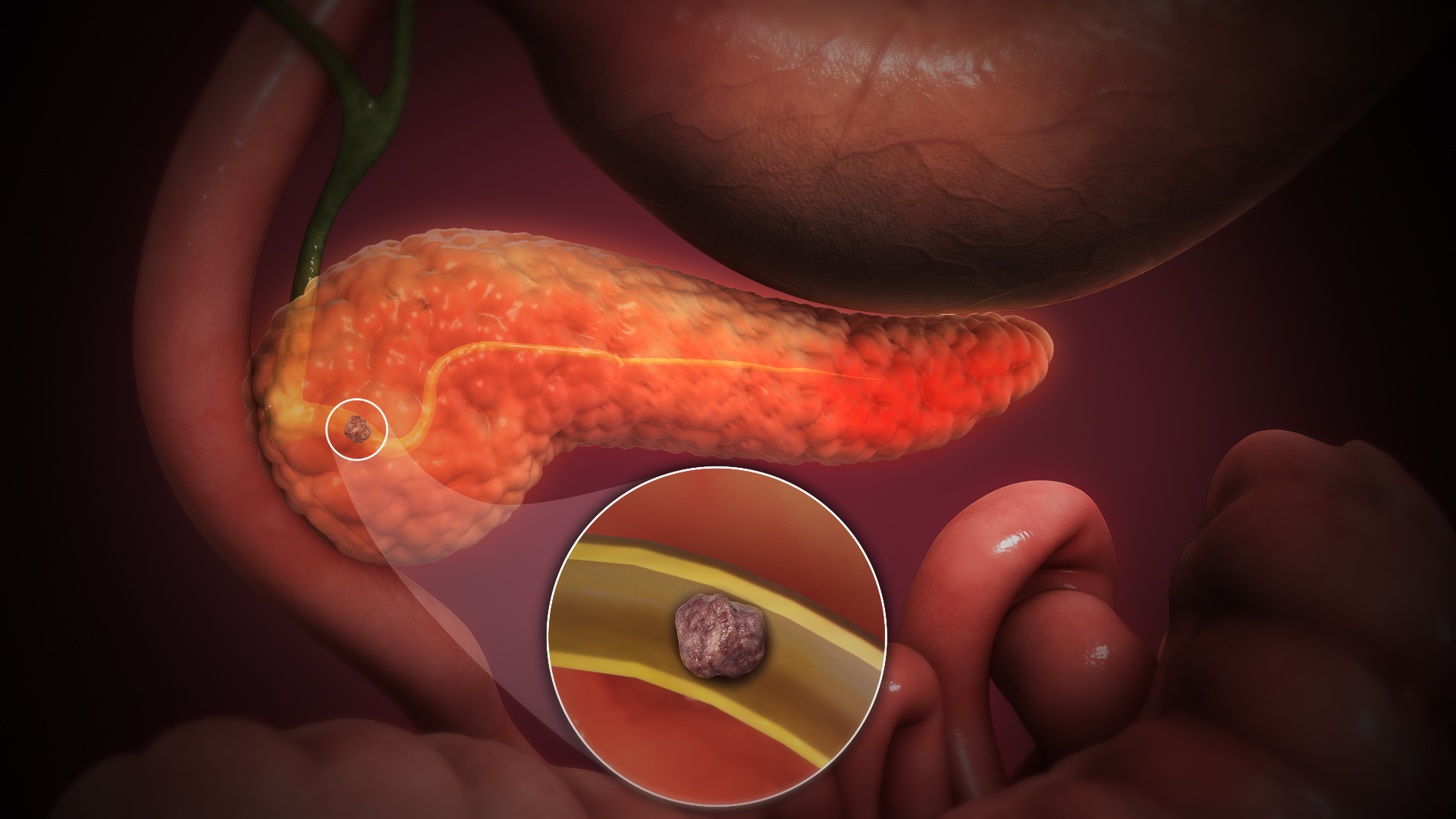
Acute pancreatitis accounts for over 300,000 hospital admissions annually in the United States alone. About 80% of cases are mild and self-limiting. The remaining 20% progress to severe acute pancreatitis, characterized by persistent organ failure and pancreatic necrosis.
The mortality picture is stark:
- Overall SAP mortality: approximately 15-20%
- With infected pancreatic necrosis: mortality reaches 30% or higher
- In the most severe cases with multiorgan failure: mortality can approach 50%
Despite this devastating toll, treatment remains entirely supportive: aggressive intravenous fluid resuscitation, early enteral nutrition, pain control, ERCP for gallstone removal, antibiotics only for confirmed infections, and surgical or interventional necrosectomy for infected necrosis.
No disease-modifying, mechanism-targeted therapy exists. This is not for lack of trying — it is because the precise molecular mechanisms driving SAP have remained unclear.
The Hidden Killer: Pancreatic Microcirculatory Failure
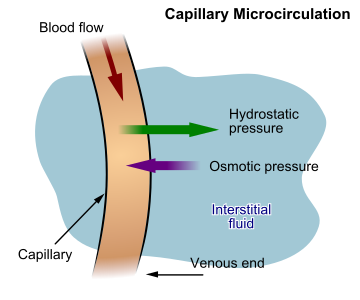
One of the key pathological features of SAP is pancreatic microcirculatory dysfunction. The tiny blood vessels that supply the pancreas with oxygen and nutrients become damaged, leading to ischemia, increased vascular permeability, and progressive tissue necrosis.
This creates a vicious cycle: tissue damage triggers inflammation, inflammation damages blood vessels, damaged blood vessels cause more tissue damage, which triggers more inflammation. The result: the pancreas suffocates from within even as inflammatory cells flood in.
Understanding exactly how microcirculatory dysfunction develops has been the missing piece — and it required looking at the pancreas at single-cell resolution during active disease.
The First Human Single-Cell Atlas of Severe Pancreatitis
The research team, led by Hong Yu (虞洪) from Sir Run Run Shaw Hospital’s Department of General Surgery and Junbin Qian (钱俊斌) from Zhejiang University’s Women’s Hospital, obtained pancreatic tissue from 8 critically ill SAP patients — an extraordinarily rare and valuable sample set.
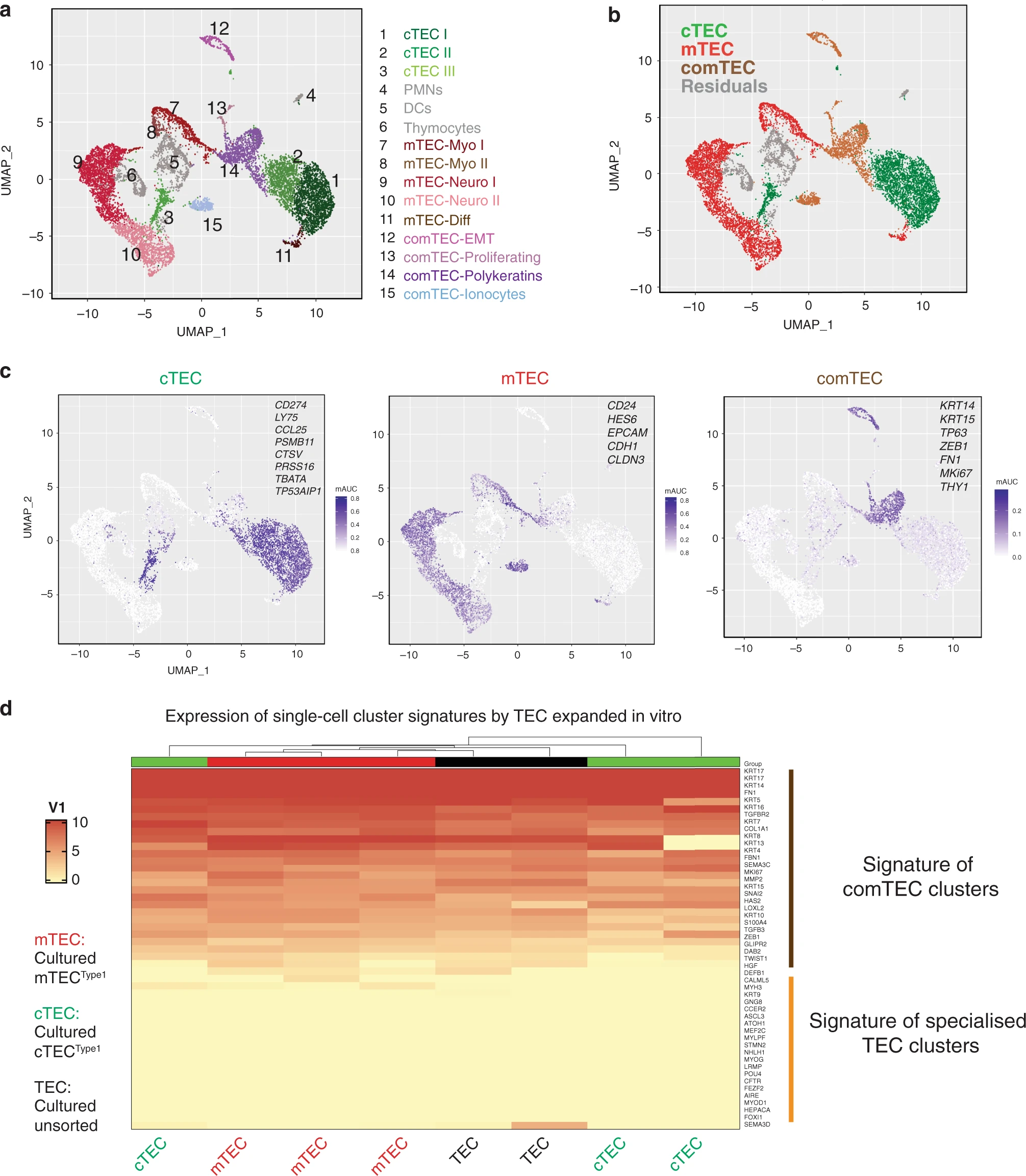
Using single-cell RNA sequencing (scRNA-seq), they profiled tens of thousands of individual cells, constructing the first comprehensive map of the cellular landscape in human SAP. The atlas revealed:
- Dramatic remodeling of acinar cells — the enzyme-producing cells that are the primary victims of autodigestion
- Massive immune cell infiltration — particularly CD8+ T cells and other lymphocytes
- Endothelial cell injury and activation — showing clear signs of damage and dysfunction
- Disrupted intercellular communication — signaling networks fundamentally altered compared to healthy pancreas
The findings were validated in a clinical cohort of 153 patients and confirmed in both murine and porcine models of SAP.
TNF-α: The Master Switch That Unleashes Vascular Destruction
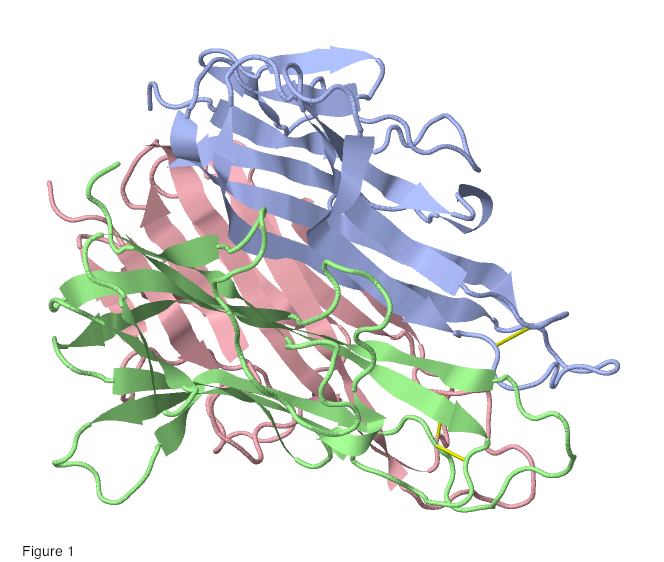
Among the most striking findings was the identification of a highly active TNF-α signaling axis. Tumor necrosis factor alpha (TNF-α) is one of the body’s most potent inflammatory mediators.
The key discovery: TNF-α does not damage blood vessels directly. Instead, it acts as a master switch that reprograms endothelial cells to display “kill me” signals on their surface — signals that recruit and activate CD8+ T cells to attack and destroy the vasculature from within.
This transforms our understanding of TNF-α in SAP from a general inflammatory mediator to a specific orchestrator of microcirculatory failure — and makes it a precise therapeutic target.
CD8+ T Cells: Lethal Bystanders That Kill Blood Vessels

CD8+ T cells are traditionally known as cytotoxic T lymphocytes that kill virus-infected cells and cancer cells in a highly specific, antigen-dependent manner.
In SAP, however, the study reveals an entirely different killing mechanism: antigen-independent, bystander cytotoxicity. CD8+ T cells infiltrate the pancreas and, activated by the TNF-α-driven signaling cascade, attack endothelial cells without conventional MHC-I restriction.
This is a form of “friendly fire” — the immune system, mobilized to fight infection and tissue damage, instead destroys the very blood supply the pancreas needs to survive.
The ULBP-NKG2D Axis: How Endothelial Cells Signal Their Own Death
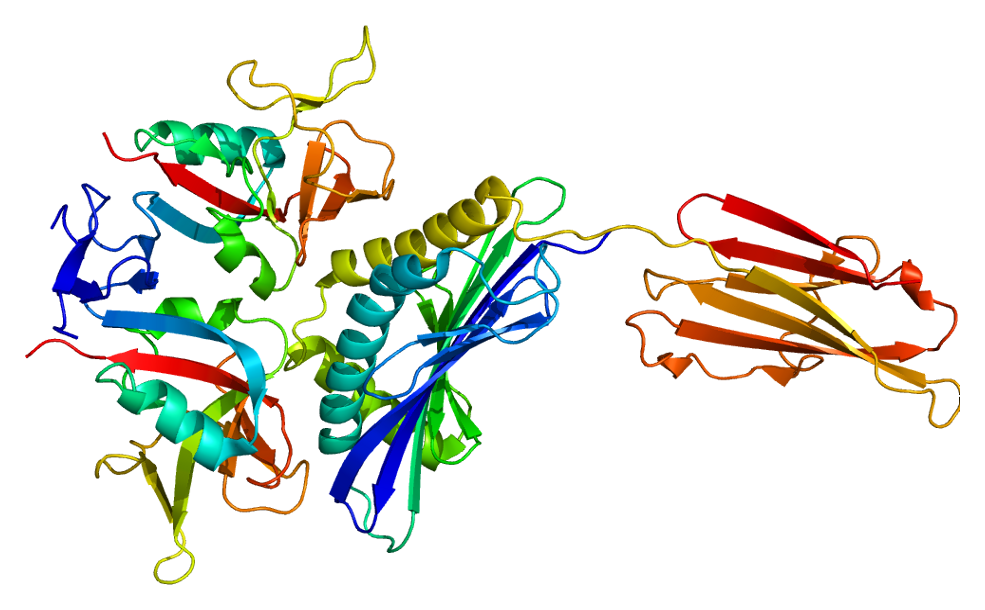
The study pinpoints the precise molecular mechanism: the ULBP-NKG2D axis.
Here is the step-by-step cascade:
- TNF-α is released by inflammatory cells in the pancreas
- TNF-α acts on endothelial cells, upregulating UL16-binding proteins (ULBPs) on their surface
- ULBPs are ligands for NKG2D, an activating receptor on CD8+ T cells
- When NKG2D engages ULBP, the T cells become activated and release cytotoxic granules
- Cytotoxic granules kill the endothelial cells, destroying microvascular integrity
- Blood vessels leak and collapse, causing microcirculatory dysfunction
- The pancreas becomes ischemic, accelerating necrosis and organ failure
This feed-forward loop explains why SAP can spiral so rapidly into multiorgan failure.
Therapeutic Implications: Anti-TNF-α as a Potential Game-Changer
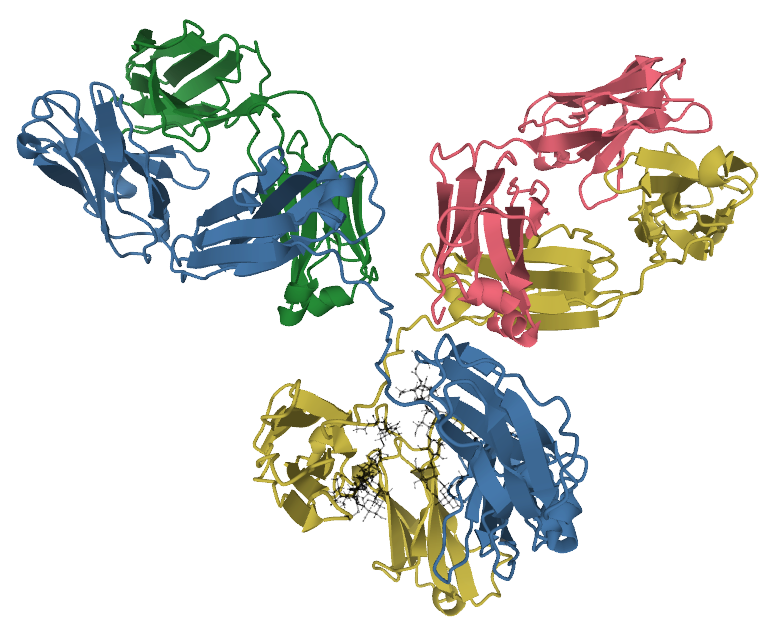
Perhaps the most clinically significant finding is that inhibition of TNF-α preserved microvascular integrity, reduced tissue damage, and improved survival in both murine and porcine models of SAP.
Similarly, depletion of CD8+ T cells also protected the microvasculature and improved outcomes — confirming that both components of the axis are viable therapeutic targets.
The therapeutic implications are substantial:
- Anti-TNF-α agents already exist. Infliximab (Remicade), adalimumab (Humira), and etanercept (Enbrel) are approved biologics with well-characterized safety profiles.
- A mechanism-based target. This approach targets the specific molecular pathway that drives microcirculatory destruction.
- Potential for combination therapy. Anti-TNF-α could be combined with existing supportive measures to create the first disease-modifying treatment strategy for SAP.
However, the researchers caution that clinical trials are needed before anti-TNF-α therapy can be recommended for SAP patients.
Why This Matters for International Patients

Severe acute pancreatitis is a global health problem. Gallstones and alcohol — the two most common triggers — are prevalent worldwide. The mortality and suffering associated with SAP are universal, and the lack of targeted therapy affects patients in every country.
Sir Run Run Shaw Hospital, affiliated with Zhejiang University School of Medicine, is one of China’s leading surgical centers with a particularly strong program in hepatobiliary and pancreatic surgery. The hospital’s ability to obtain and analyze pancreatic tissue from critically ill SAP patients demonstrates a depth of clinical expertise and research infrastructure relevant to international patients seeking advanced care for complex pancreatic conditions.
The identification of TNF-α as a therapeutic target, with existing anti-TNF-α biologics potentially applicable, means this research could translate to clinical benefit relatively quickly — a consideration for patients with severe pancreatitis who currently have no targeted treatment options.
Source
- Shi L, Li W, Chen D, et al. TNF-α drives pancreatic microcirculatory dysfunction via CD8⁺ T cell-mediated endothelial injury in severe acute pancreatitis. Gut. 2026 (online ahead of print). DOI: 10.1136/gutjnl-2025-337183
- SRRSH Hospital News: “Gut丨虞洪教授团队发布全球首个人类重症急性胰腺炎单细胞图谱” (June 8, 2026).