REFORM-TAD International Multicenter Clinical Trial for Type A Aortic Dissection
West China Hospital, Sichuan University enrolls first global patient in landmark trial testing minimally invasive stent treatment for residual aortic dissection
June 17, 2026 | West China Hospital, Sichuan University (四川大学华西医院)
A Quiet Revolution Inside the Aorta
Every year, tens of thousands of patients worldwide undergo emergency open-heart surgery for Stanford Type A aortic dissection — one of the most lethal cardiovascular emergencies, with mortality increasing by 1–2% per hour untreated. Many survive the initial operation only to face a second, equally dangerous open surgery months or years later for residual dissection that continues to threaten their lives.
Now, a landmark international clinical trial called REFORM-TAD has enrolled its first patient anywhere in the world — a 60-year-old man at Sichuan University’s West China Hospital (四川大学华西医院) — testing whether a minimally invasive stent system can replace that second open surgery, potentially reducing long-term complications by 70%.
The implications for cardiac surgery patients worldwide, including international patients seeking advanced aortic care in China, could be transformative.
What Is Type A Aortic Dissection?
Understanding the Disease

Aortic dissection occurs when the inner layer of the aorta — the body’s largest artery, carrying oxygenated blood from the heart to every organ — tears, allowing blood to surge between the layers of the aortic wall. This creates a “false lumen” alongside the “true lumen,” the normal channel for blood flow. The dissection can extend along the entire length of the aorta, from the heart down to the abdomen, branching into organs and potentially cutting off their blood supply.
Stanford Type A aortic dissection specifically involves the ascending aorta, the segment that rises directly from the heart. This is the most dangerous form because:
- The dissection can rupture into the pericardium (the sac around the heart), causing fatal cardiac tamponade
- It can disrupt the aortic valve, leading to acute heart failure
- It can occlude coronary arteries, causing myocardial infarction
- It can impair blood flow to the brain, causing stroke
- Mortality without surgery exceeds 50% within 48 hours
Type A dissection is therefore a surgical emergency. The standard treatment is open surgery — typically involving cardiopulmonary bypass, hypothermic circulatory arrest, and replacement of the ascending aorta with a synthetic graft, often under deep hypothermia to protect the brain while circulation is stopped.
The Problem: Residual Dissection After Open Surgery
Why the First Surgery Is Not Always Enough
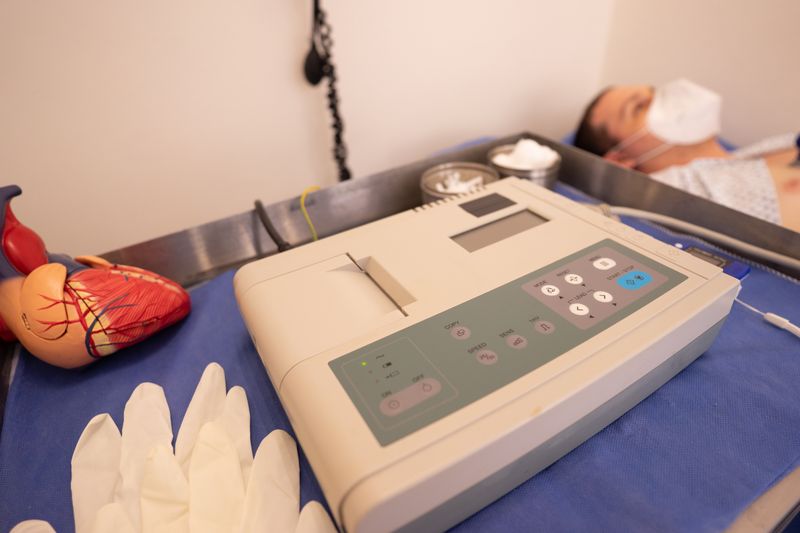
While emergency open surgery for Type A dissection is life-saving, it has a critical limitation: surgeons typically replace only the ascending aorta. The dissection, however, often extends far beyond the surgical repair zone — into the aortic arch and down the descending thoracic and abdominal aorta.
This residual or “distal” dissection persists in approximately 50–70% of patients after the initial operation.
In a subset of these patients — those classified as having high-risk residual dissection — the false lumen remains patent (open), the true lumen remains compressed, and the aortic wall continues to weaken. Over time, this leads to:
- Aneurysmal dilation of the dissected aorta, increasing rupture risk
- Malperfusion of branch vessels (kidneys, intestines, spinal cord, legs)
- Progressive aortic valve regurgitation
- The need for a second major open surgical procedure
A second open surgery — whether on the arch, the descending thoracic aorta, or the thoracoabdominal aorta — carries substantial risks: mortality rates of 10–20%, paralysis from spinal cord ischemia in 5–15% of cases, renal failure, prolonged ICU stays, and months of recovery. For many patients, especially older ones or those with comorbidities, a second open operation may be deemed prohibitively risky.
This is exactly the clinical gap that the REFORM-TAD trial aims to address.
The REFORM-TAD Trial: Design and Scope
An International Randomized Controlled Trial
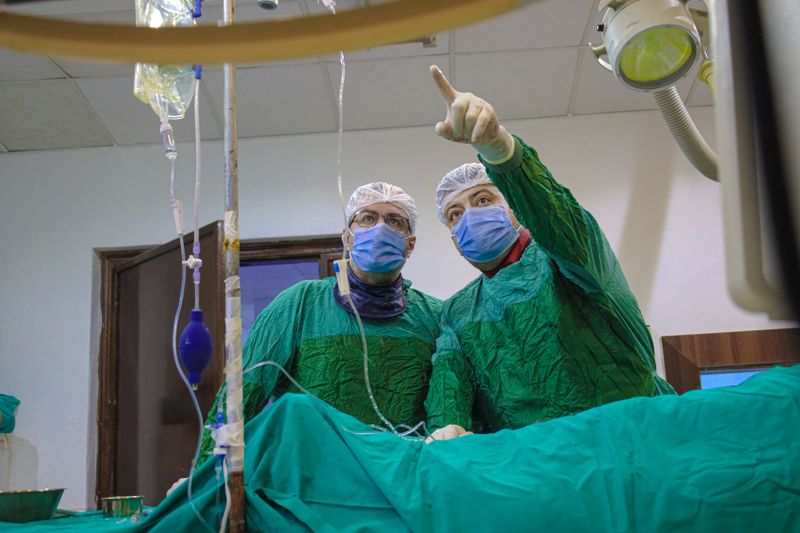
REFORM-TAD is a prospective, international, multicenter randomized controlled trial (RCT) — the gold standard of clinical evidence — designed to evaluate the safety and efficacy of a novel endovascular stent system for patients with high-risk residual dissection after prior open surgical repair for Stanford Type A aortic dissection.
The trial spans 16 vascular centers across mainland China, Taiwan, and Europe, making it a genuinely international study with diverse patient populations and surgical traditions. The principal investigator is Dr. Hu Jia (胡佳), Chief Physician of Cardiac Surgery at West China Hospital, Sichuan University.
Key Design Elements
Population: Patients with Stanford Type A aortic dissection who have undergone initial open surgical repair and now present with high-risk residual distal dissection (patent false lumen, compressed true lumen, aneurysmal dilation risk)
Intervention: Endovascular placement of a novel stent system designed specifically for aortic dissection — not simply a standard thoracic endovascular aortic repair (TEVAR) graft, but a device engineered to seal the proximal entry tear, expand the true lumen, and promote false lumen thrombosis
Comparator: Optimal medical management or conventional open surgical repair, depending on the study arm
Endpoints:
- Primary endpoints include aortic-related mortality and major adverse events (stroke, paralysis, renal failure)
- Secondary endpoints include false lumen thrombosis rate, true lumen remodeling, and need for reintervention
The multicenter international design is particularly significant. By including centers in Europe and Taiwan alongside mainland Chinese institutions, the trial ensures that results will be generalizable across different healthcare systems and patient demographics, strengthening the evidence base for global adoption if the results are positive.
First Patient Enrollment at West China Hospital
A Milestone Enrollment

The first patient enrolled in REFORM-TAD globally was a 60-year-old male who had previously undergone emergency open surgical repair for acute Stanford Type A aortic dissection at West China Hospital. After his initial operation, follow-up imaging revealed high-risk residual dissection — a persistent false lumen with the potential for aneurysmal degeneration — making him a candidate for the trial.
Under Dr. Hu Jia’s team, the patient underwent endovascular implantation of the novel stent system. The procedure was performed entirely via a percutaneous or cutdown femoral artery approach — meaning no chest or abdomen was opened. A catheter was advanced from the groin artery up to the aortic arch under fluoroscopic guidance, and the stent was deployed across the proximal entry tear of the residual dissection.
Post-Operative Results
Post-operative angiography demonstrated:
- Effective coverage of the proximal entry tear — the primary tear allowing blood to enter the false lumen was sealed
- True lumen expansion — the compressed true lumen, which had been restricting blood flow to organs, immediately expanded to restore normal perfusion
- No evidence of endoleak (leakage around the stent) or stent migration
The patient recovered well and was enrolled into the trial’s follow-up protocol, which includes regular CT angiography and clinical assessments to track long-term aortic remodeling and outcomes.
A Stent Without Opening the Chest: The Endovascular Approach
How Endovascular Repair Works for Residual Dissection
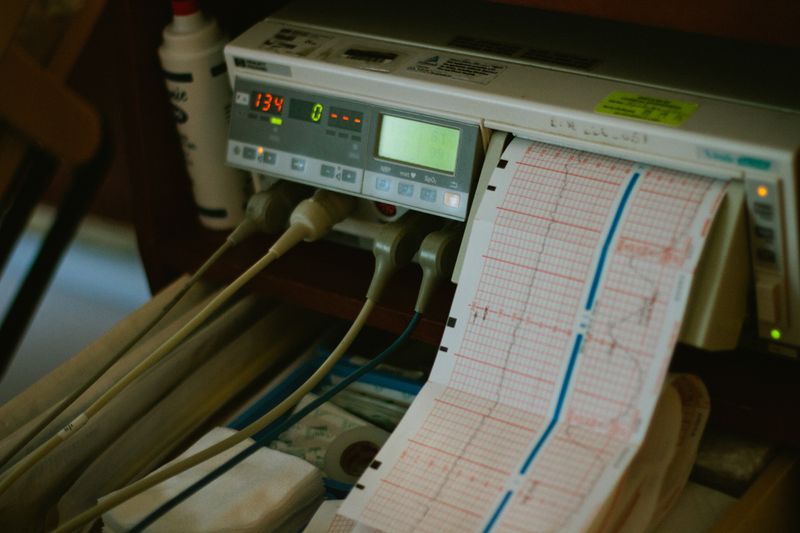
For patients and their families, the most important practical difference between endovascular repair and a second open surgery can be summarized simply: no opening of the chest or abdomen.
Traditional Open Surgery for Residual Dissection
In traditional open surgery for residual dissection of the descending or thoracoabdominal aorta, the surgeon must:
- Open the chest (thoracotomy) or both chest and abdomen (thoracoabdominal incision)
- Clamp the aorta, temporarily stopping blood flow to the lower body
- Use cardiopulmonary bypass or left heart bypass
- Replace the diseased aortic segment with a synthetic graft
- Reattach branch arteries (to kidneys, intestines, spinal cord, legs) — sometimes dozens of separate sutures
This operation can take 6–12 hours, requires days in the ICU, weeks in the hospital, and months of recovery. Complication rates are significant.
Endovascular Repair Advantages
In contrast, endovascular repair for residual dissection:
- Accesses the aorta through a small incision in the groin (femoral artery)
- Advances a catheter and stent system under X-ray guidance to the target zone in the aorta
- Deploys the stent to seal the entry tear and support the true lumen
- Takes typically 1–3 hours
- May require only 1–3 days in the hospital
- Has dramatically lower rates of paralysis, renal failure, and mortality compared to open surgery
The stent system used in REFORM-TAD is not a standard TEVAR device repurposed for dissection. It has been specifically engineered for the complex anatomy of aortic dissection, where the aortic wall is split into two layers with multiple entry and exit tears. Design features likely include:
- Proximal sealing zones optimized for the aortic arch
- Radial force distribution that expands the true lumen without overstressing the fragile dissected wall
- Coverage patterns that promote false lumen thrombosis (healing) while preserving flow to critical branch vessels
West China Hospital’s Pioneering Legacy in Endovascular Type A Repair
From World’s First to Over 200 Cases

West China Hospital’s selection as the site for the first global enrollment in REFORM-TAD is not coincidental. The institution’s Cardiac Surgery team, led by Dr. Hu Jia, has been at the absolute forefront of endovascular treatment for Type A aortic dissection — a territory that most cardiac surgeons worldwide still consider the exclusive domain of open surgery.
Key Milestones
2019: The West China Hospital team completed the world’s first endovascular repair of Type A aortic dissection. This was a groundbreaking procedure because Type A dissection involves the ascending aorta — a segment adjacent to the heart, the coronary arteries, and the aortic valve — where endovascular access and stent deployment were previously considered anatomically impossible or excessively risky due to the need to preserve coronary flow and valve function.
Over 200 endovascular Type A dissection repairs completed — this represents approximately one-fifth of the national total in China, making West China Hospital the single highest-volume center for this procedure in the country.
Success rate exceeding 95% — a remarkable figure for a procedure treating one of the most dangerous conditions in cardiovascular medicine.
The journey from the first case in 2019 to over 200 cases reflects a systematic approach: careful patient selection, iterative refinement of the endovascular technique and stent design, meticulous perioperative management, and rigorous follow-up. Each case has contributed to a growing body of evidence that endovascular repair can be performed safely in Type A dissection patients — even in the ascending aorta — when the right team, technology, and protocols are in place.
This deep institutional experience gave REFORM-TAD’s international steering committee confidence that West China Hospital could serve as the lead enrolling center, demonstrating the procedure’s safety and efficacy to the highest evidentiary standards of an RCT.
Clinical Outcomes: 70% Reduction in Long-Term Complications
The Evidence Behind the Trial

The REFORM-TAD trial builds on a strong foundation of prior clinical evidence from West China Hospital and collaborating institutions. Among the most compelling findings:
Endovascular repair of residual dissection after initial open Type A surgery has demonstrated a 70% reduction in long-term complications compared to traditional second open surgical repair.
Key Benefits
This encompasses:
- Lower mortality: Both perioperative (around the time of surgery) and long-term aortic-related mortality are significantly reduced
- Lower paralysis rates: Spinal cord ischemia — one of the most devastating complications of open thoracoabdominal aortic surgery, causing permanent leg paralysis — is dramatically reduced with endovascular repair because the aorta is not clamped and blood flow to the spinal cord is not interrupted
- Lower renal failure rates: Kidney injury from aortic clamping and contrast is reduced
- Faster recovery: Patients return to normal activity in weeks rather than months
- Better aortic remodeling: Over time, the false lumen thromboses (clots and shrinks), the true lumen expands, and the aortic wall stabilizes — a process called “favorable remodeling” that is the biological goal of dissection treatment
The 70% figure is not a projected estimate — it is derived from real-world comparative data accumulated by the West China Hospital team over years of treating residual dissection patients endovascularly versus those undergoing conventional open reoperation.
If confirmed by the REFORM-TAD RCT across its 16 international centers, this level of complication reduction would represent a paradigm shift in how the cardiovascular surgery community manages residual dissection after Type A repair.
The Doctor-Nurse-Manager Triad: A New Care Model for Lifelong Aortic Management
Beyond the Operating Room
Aortic dissection is not a disease cured by a single operation — it is a lifelong condition. The diseased aortic tissue remains prone to further dissection, aneurysm formation, and complications. Long-term management requires strict blood pressure control, regular imaging surveillance, medication adherence, and lifestyle modification.
Yet historically, patients discharged after aortic surgery have been left to navigate this complex chronic management largely on their own.
West China Hospital has addressed this gap with an innovative “doctor-nurse-manager” triad care model — the first of its kind for aortic disease management.
The Triad Team
Doctor: A cardiac surgeon or vascular physician oversees the patient’s medical and surgical management, interprets follow-up imaging, and makes decisions about reintervention when needed
Nurse: A specialized aortic disease nurse provides patient education, monitors medication compliance, coordinates follow-up appointments, and serves as the patient’s first point of contact for clinical questions
Manager: A dedicated care manager handles logistics — scheduling imaging studies, tracking follow-up intervals, ensuring no patient falls through the cracks, coordinating between specialties (cardiology, cardiac surgery, vascular surgery, nephrology), and managing insurance and administrative matters
Results of the Triad Model
The results of this triad model have been striking:
- Lost-to-follow-up rate reduced from 30% to less than 10%: In traditional practice, nearly one-third of aortic dissection patients disappear from follow-up after discharge, often returning only when a complication has become an emergency. The triad model has reduced this to under 10%, meaning over 90% of patients remain under continuous surveillance.
- Blood pressure control rate exceeding 85%: Uncontrolled hypertension is the single greatest risk factor for recurrent dissection and aneurysm growth. Achieving 85% control — far above typical community rates — directly translates into fewer complications and reinterventions.
For international patients considering treatment at West China Hospital, the triad model offers particular value: the care manager can coordinate remote follow-up, facilitate communication across language barriers, and ensure that patients returning to their home countries remain connected to their Chinese medical team for ongoing guidance.
Recognition: Sichuan Provincial Science and Technology First Prize
Award-Winning Innovation
The West China Hospital cardiac surgery team’s work in endovascular Type A aortic dissection repair and lifelong aortic disease management has been recognized with the Sichuan Provincial Science and Technology First Prize — the highest scientific honor awarded by Sichuan Province.
This award acknowledges not only the clinical innovation of endovascular repair in the ascending aorta but also:
- The systematic evidence base
- The novel stent technology
- The transformative care model
Together, these represent a comprehensive rethinking of how aortic dissection is treated and managed throughout a patient’s lifetime.
The First Prize designation is significant: it signals that independent scientific reviewers judged this work as the most impactful contribution to science and technology in the province during the award period — a province that includes many of China’s leading research universities and medical institutions.
Global Significance for Medical Tourism and Cardiac Surgery
Why This Matters for International Patients
The REFORM-TAD trial and West China Hospital’s broader aortic program carry several implications for the international medical community and patients considering cardiac care in China:
Volume and Expertise
With over 200 endovascular Type A repairs and a success rate above 95%, West China Hospital offers a depth of experience in this specific procedure that is unmatched globally. In medicine, volume correlates directly with outcomes — and for a procedure as technically demanding as endovascular ascending aortic repair, this institutional experience is a critical safety factor.
Evidence Generation
The REFORM-TAD trial is not simply treating patients — it is generating the highest-quality evidence (RCT data) that will inform guidelines worldwide. International patients treated at participating centers are contributing to knowledge that will benefit future patients everywhere.
Minimally Invasive Alternative
For patients who have already undergone one major open heart surgery and are facing the prospect of a second, the availability of an endovascular option — with its dramatically lower complication rates and faster recovery — can be life-changing. This is especially relevant for older patients or those with comorbidities that make open surgery high-risk.
Lifelong Management
The triad care model addresses a universal gap in aortic disease care. International patients benefit from structured follow-up that extends beyond the hospital stay, with care coordination that can bridge geographical distances.
Cost-Effectiveness
Endovascular procedures typically require shorter hospital stays, fewer ICU days, and less rehabilitation than open surgery — factors that can significantly reduce the total cost of care, an important consideration for medical tourists paying out of pocket or through international insurance.
The Road Ahead
As the REFORM-TAD trial progresses and enrolls patients across its 16 international centers, the cardiovascular surgery community will be watching closely. If the trial confirms the outcomes seen in West China Hospital’s prior experience, endovascular repair could become the new standard of care for high-risk residual dissection after Type A surgery — and West China Hospital, the institution that performed the world’s first endovascular Type A repair in 2019, will have led the evidence revolution that changes practice worldwide.
For international patients seeking advanced aortic care, West China Hospital represents:
- Unmatched experience with over 200 endovascular Type A repairs
- Participation in cutting-edge clinical trials like REFORM-TAD
- A comprehensive care model supporting lifelong aortic health
- Award-winning innovation recognized at the provincial level
- World-class cardiac surgery expertise available to international patients
About West China Hospital
West China Hospital of Sichuan University (四川大学华西医院) is one of China’s premier medical institutions, consistently ranked among the nation’s top hospitals. The Department of Cardiac Surgery, under the leadership of Dr. Hu Jia, has established itself as the global leader in endovascular treatment of Type A aortic dissection.
Key Statistics
- First endovascular Type A repair: 2019 (world’s first)
- Total endovascular Type A cases: 200+ (approximately 20% of China’s total)
- Success rate: >95%
- REFORM-TAD centers: 16 international sites
- Complication reduction: 70% vs. traditional second open surgery
Sources
- West China Hospital Official News: REFORM-TAD International Multicenter Clinical Trial First Patient Enrollment — 四川大学华西医院官网科技新闻
Published: June 17, 2026
Category: Cardiology
Institution: West China Hospital, Sichuan University (四川大学华西医院)