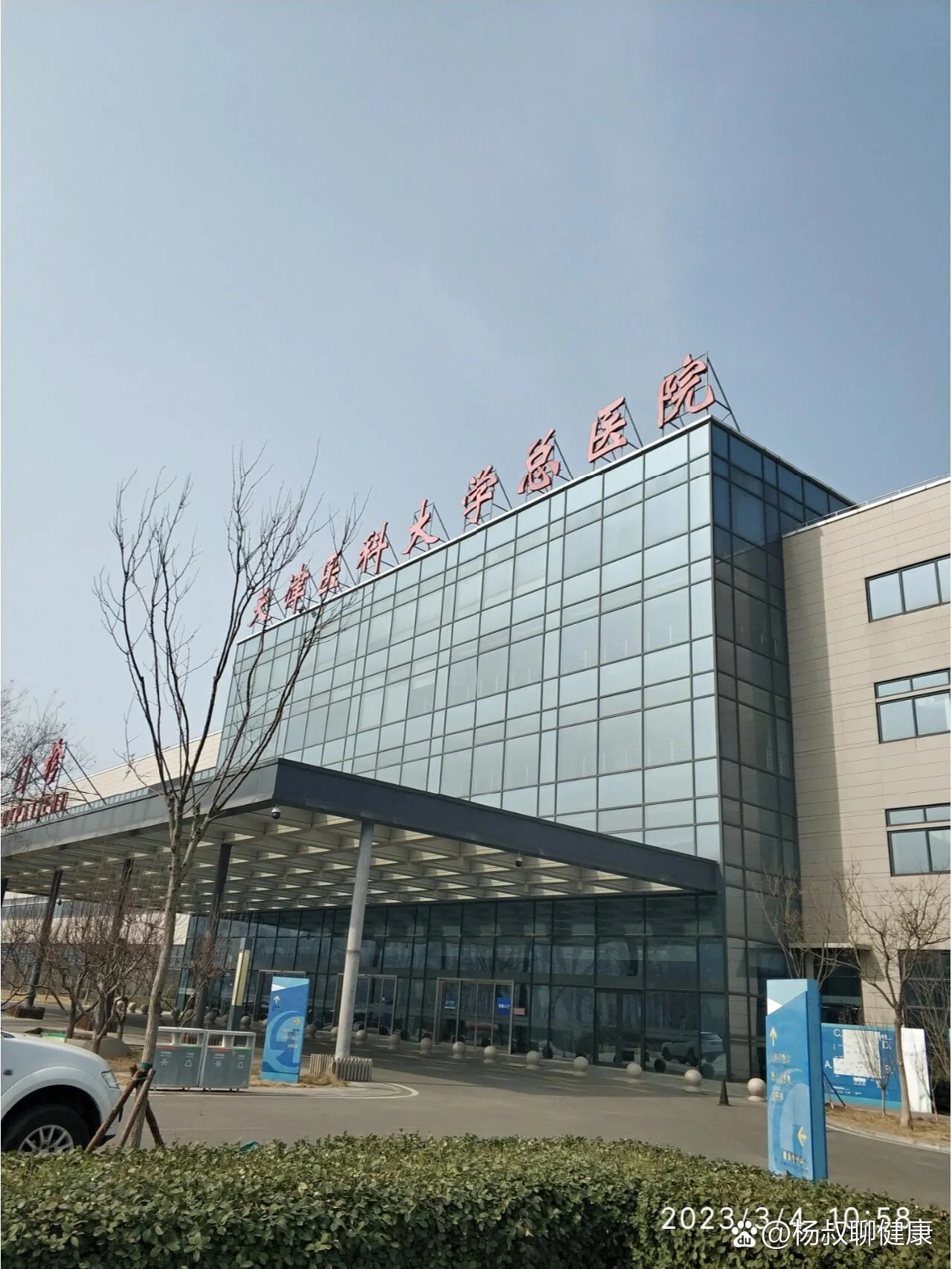
Tianjin Medical University General Hospital Airport Branch
天津医科大学总医院空港医院
About the Hospital
Tianjin Medical University General Hospital Airport Branch is the first tertiary general hospital in Tianjin Free Trade Zone, jointly established by Tianjin Port Free Trade Zone Administrative Committee and Tianjin Medical University General Hospital. Officially opened on August 18, 2015, it is designated as one of the "9 municipal regional medical centers" in the Tianjin Medical and Health Institution Layout Plan (2014-2020) and listed among the 20 People's Livelihood Projects of Tianjin Municipal Government in 2015. Located in the Airport Area of Tianjin Free Trade Zone, the hospital covers 134,000 square meters with a building area of 160,000 square meters and a planned total of 1,500 beds. Phase II construction is currently underway, expected to add 831 beds. As a branch built upon the century-old Tianjin Medical University General Hospital, the outpatient department operates 33 clinical departments with the entire medical team dispatched from the General Hospital, where specialists provide long-term consultations, ward rounds, surgeries, and difficult case discussions, inheriting the hospital spirit of "Virtue and Medical Excellence, Innovation and Compassion." Leveraging the General Hospital's national key disciplines in Neurosurgery and Neurology, Endocrinology, and national key clinical specialty in Gastroenterology, the hospital has established outstanding advantages in diagnosing and treating neurological, endocrine metabolic, and digestive system diseases, holding an important position in Tianjin's healthcare system. The Health Management/International Medical Center is a distinctive service department that innovatively combines foreign-related medical services with social insurance, cooperates with domestic and foreign insurance companies, provides foreign-related medical services meeting international standards, and meets the healthcare needs of high-end international populations, ordinary working-class people, and community residents, building a high-level healthcare and chronic disease management platform.