In a surgical achievement that has shattered decades of scientific boundaries, a single team at Xijing Hospital in Xi’an, China, has accomplished what no group in history had achieved before: successful transplantation of gene-edited pig livers and kidneys into human patients, with one pig kidney continuing to function for over 261 days and counting.
Published in Nature and Nature Medicine, and recognized as one of China’s Top 10 Scientific Advances for 2025, these breakthroughs mark the most decisive advance in the century-long quest to use animal organs to save human lives.
The Organ Shortage Crisis

The global organ shortage is one of modern medicine’s most intractable crises. According to the World Health Organization, only approximately 10% of the worldwide need for organ transplants is met each year. In China alone, over 300,000 patients await kidney transplants, while fewer than 10,000 deceased-donor kidneys become available annually.
The mathematics are unforgiving: for every patient who receives a transplant, dozens die waiting. Liver transplantation faces an even starker imbalance—the complexity of procurement, narrow viability windows, and size matching requirements make livers particularly scarce.
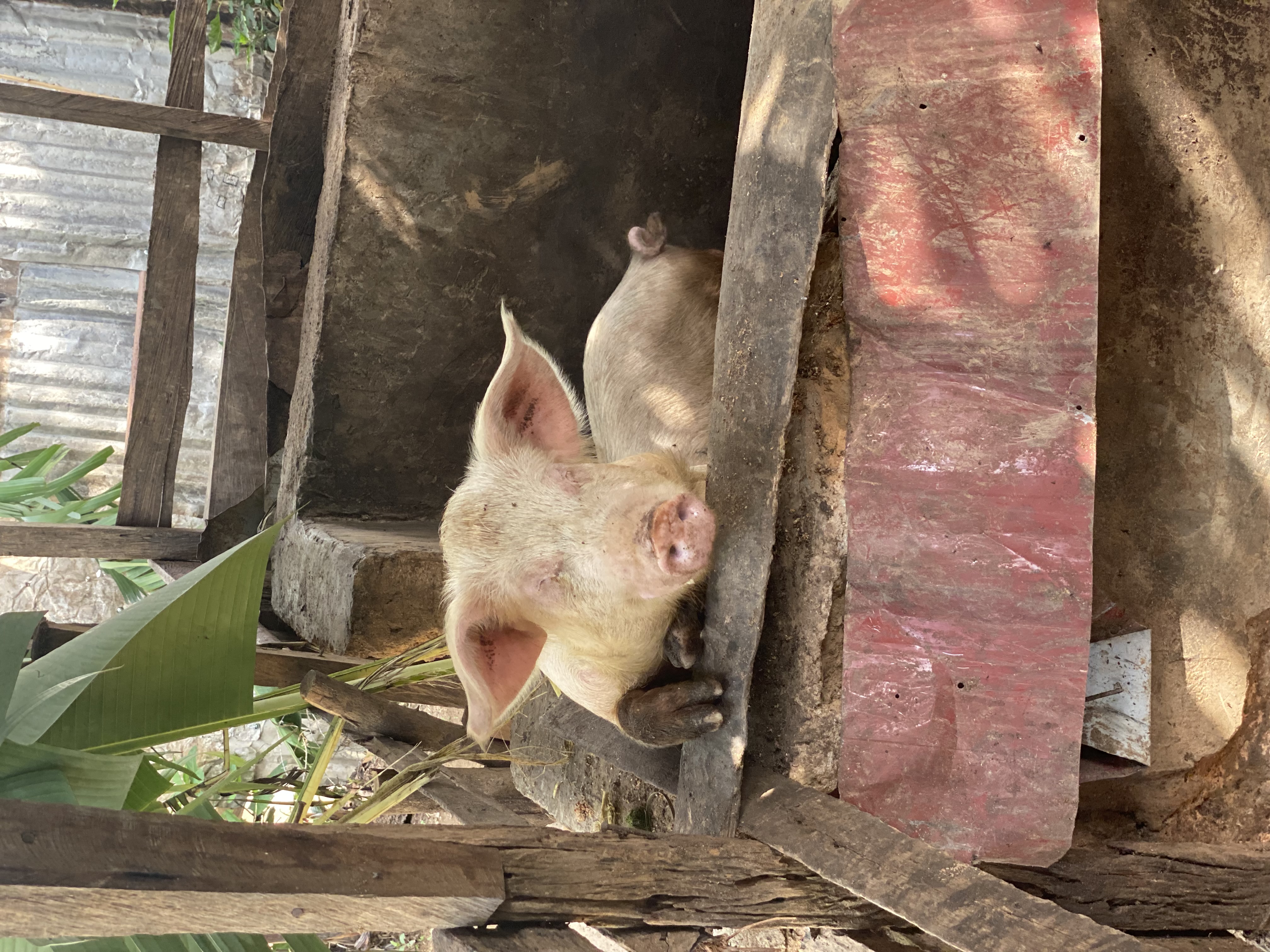
Pigs have emerged as the most promising donor species. They share remarkable physiological similarities with humans in organ size, cardiovascular and renal function, and liver metabolic pathways. CRISPR-Cas9 gene-editing technology has finally made it possible to engineer pigs whose organs can evade the immunological barriers that previously made xenotransplantation unthinkable.
Precision Gene Editing: Three Knockouts + Three Human Transgenes
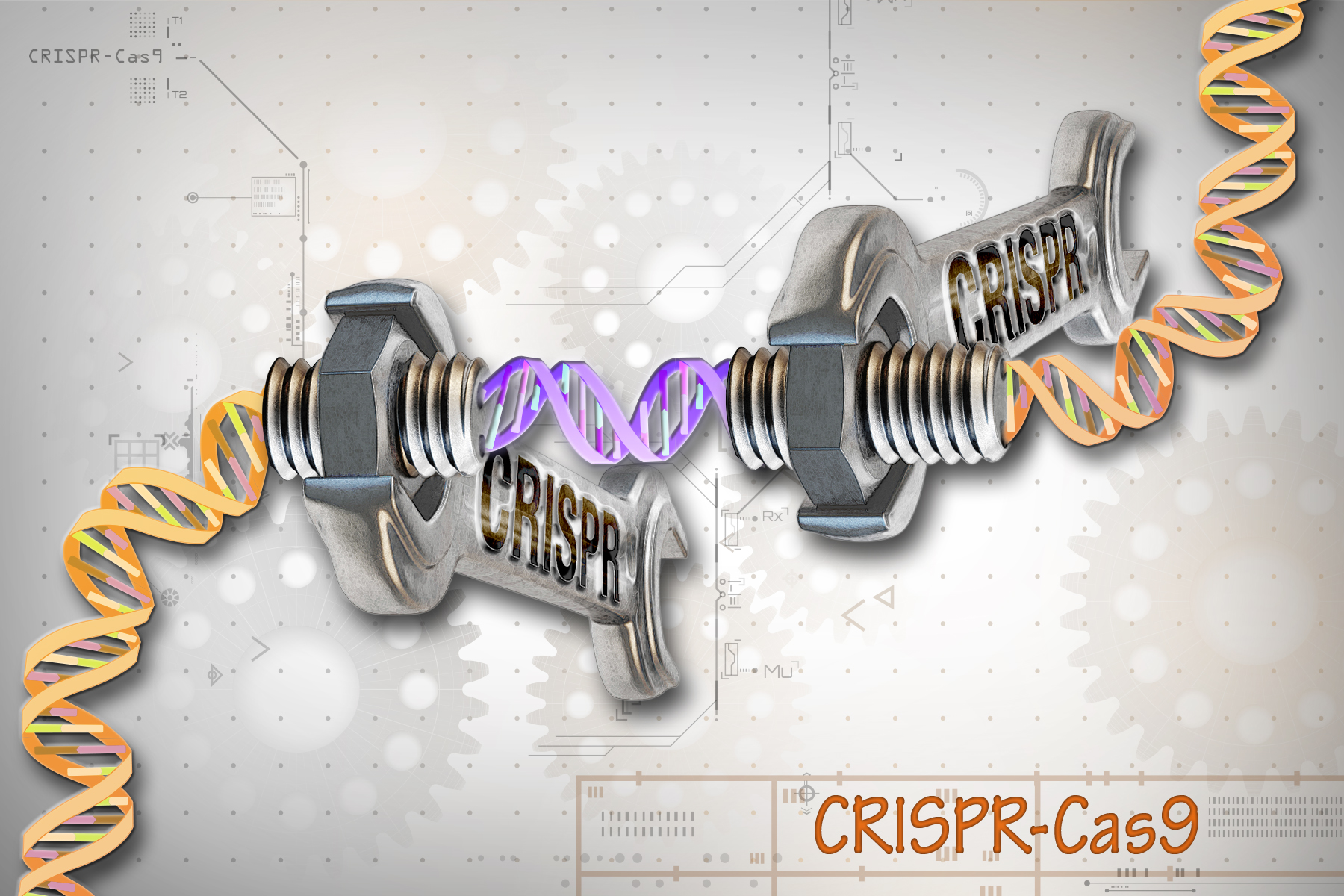
The human immune system has evolved to identify and destroy anything foreign. To prevent immediate rejection, the Xijing Hospital team engineered pigs with six genetic modifications:
Three Knockout Genes:
- GGTA1: Eliminates the alpha-Gal epitope, the primary target for human anti-pig antibodies
- CMAH: Removes the Neu5Gc sialic acid that humans recognize as foreign
- B4GALNT2: Eliminates the Sda blood group carbohydrate
Three Human Transgenes:
- hCD46: Regulates the complement cascade to prevent immune damage
- hCD55: Accelerates breakdown of complement convertases
- hTHBD: Regulates coagulation and provides anti-inflammatory protection
This six-gene combination strips pig cells of signatures that trigger immediate human antibody recognition while adding human regulatory proteins that control immune and clotting systems.
Liver Transplant Milestones

World-First Pig Liver Transplant (March 2025)
In March 2025, the team led by Academician Dou Kefeng achieved the first successful transplantation of a gene-edited pig liver into a human recipient—a heterotopic auxiliary liver transplant into a brain-dead recipient where the pig liver was placed alongside the native liver.
The six-gene-edited pig liver demonstrated measurable metabolic activity, producing bile and processing substances that confirmed its functional capacity. Critically, the organ did not undergo hyperacute rejection—the catastrophic immunological response that destroyed previous attempts.
Extracorporeal Pig Liver Perfusion (February 2026)

In February 2026, the team crossed the threshold to living patients with a groundbreaking procedure: connecting a 56-year-old patient suffering acute liver failure to a six-gene-edited pig liver via extracorporeal perfusion.
The pig liver functioned for 66 hours, successfully clearing toxins, reducing bilirubin levels, and improving liver function parameters. This bridge strategy bought critical time until a suitable human donor liver was located and transplanted—ultimately saving the patient’s life. International experts described it as a “milestone” representing the transition from experimental brain-dead work to clinically meaningful interventions in living patients.
Kidney Transplant Breakthroughs
Asia’s First Pig Kidney: 261 Days and Counting
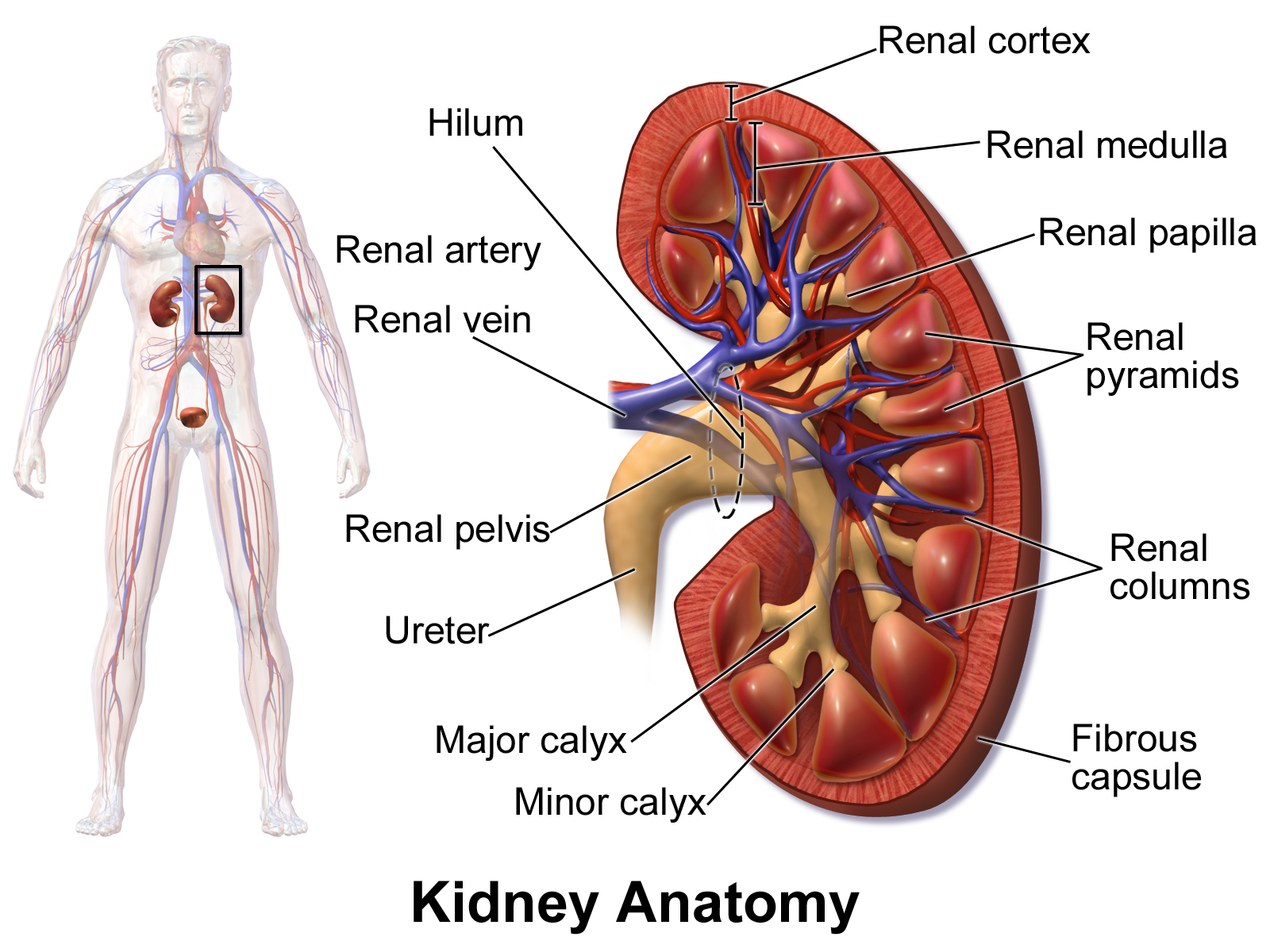
While liver experiments captured headlines, the kidney transplantation program produced what may be the most clinically significant result to date: a gene-edited pig kidney functioning in a living patient for over 261 days—published in the Chinese Medical Journal.
The patient received a kidney from a six-gene-edited pig under the innovative “Xijing Protocol” immunosuppression regimen. The transplanted kidney demonstrated immediate function, producing urine from the moment of reperfusion. Serial biopsies showed no evidence of acute rejection. The 261-day milestone provides the strongest evidence yet that xenotransplantation is moving from dramatic short-lived demonstrations toward sustained organ function that patients actually need.
Reproducible Success: Second Transplant (April 2026)

In April 2026, Asia’s second gene-edited pig kidney transplant provided reproducibility evidence. The recipient, a 52-year-old man who had endured 13 years of dialysis, exemplifies the population that stands to benefit most from xenotransplantation.
The procedure required collaboration across more than 10 hospital departments. The results were immediate and dramatic: on day one post-operation, the transplanted pig kidney produced 12,000 milliliters of urine. At one-month follow-up, the kidney remained stable with no acute rejection. This second case demonstrates that the Xijing Protocol is reproducible—the pathway from experimental surgery to clinical standard is beginning to emerge.
The Xijing Protocol: Seven-Drug Immunosuppression
Success required more than gene editing. Dou Kefeng’s team developed a sophisticated seven-drug immunosuppression regimen specifically calibrated for xenotransplantation:
- Tacrolimus: Prevents acute cellular rejection
- Mycophenolate mofetil: Inhibits lymphocyte proliferation
- Prednisolone: Anti-inflammatory corticosteroid
- Rituximab: Depletes B cells to block antibody production
- Eculizumab: Blocks terminal complement activation
- Tocilizumab: IL-6 receptor antagonist preventing inflammation
- Basiliximab: IL-2 receptor antagonist targeting activated T cells
This multi-targeted approach prevents every pathway by which the human immune system might attack the pig organ, while preserving enough immune function to prevent life-threatening infections.
Future Outlook
The clinical implications extend far beyond the demonstrated cases. The success of the Xijing Protocol suggests several parallel pathways:
- Bridge to allotransplantation: Pig organs can sustain patients until human donors become available, already demonstrated with the 66-hour liver perfusion
- Destination therapy: As immunosuppression protocols improve, pig kidneys and livers may become permanent replacements rather than temporary bridges
- Bioreactor organs: Pigs engineered to produce therapeutic human proteins in their organs could be sources of bioartificial organs
For the 300,000 Chinese patients and millions worldwide awaiting transplants, these breakthroughs represent not just scientific achievement but tangible hope. The Xijing team’s pioneering work—combining CRISPR precision, surgical innovation, and immunological sophistication—brings xenotransplantation from science fiction to clinical reality.
Sources:
- Dou Kefeng et al. “Gene-edited pig liver transplantation in brain-dead human recipient.” Nature, March 2025. DOI: 10.1038/s41586-025-08799-1
- Nature News. “Pig liver keeps dying patient alive for days before human transplant.” February 2026. DOI: 10.1038/d41586-026-00736-0
- Xijing Hospital Team. “Neonatal donor-derived kidney xenotransplantation in living recipient.” Chinese Medical Journal. DOI: 10.1097/CM9.0000000000003338