Diabetes has become one of the most pressing health challenges of the 21st century. According to the International Diabetes Federation, approximately 537 million adults worldwide are living with diabetes, and this number is projected to reach 783 million by 2045. China, with its 148 million diabetic patients — roughly one-tenth of the global total — bears the heaviest burden of any single nation.
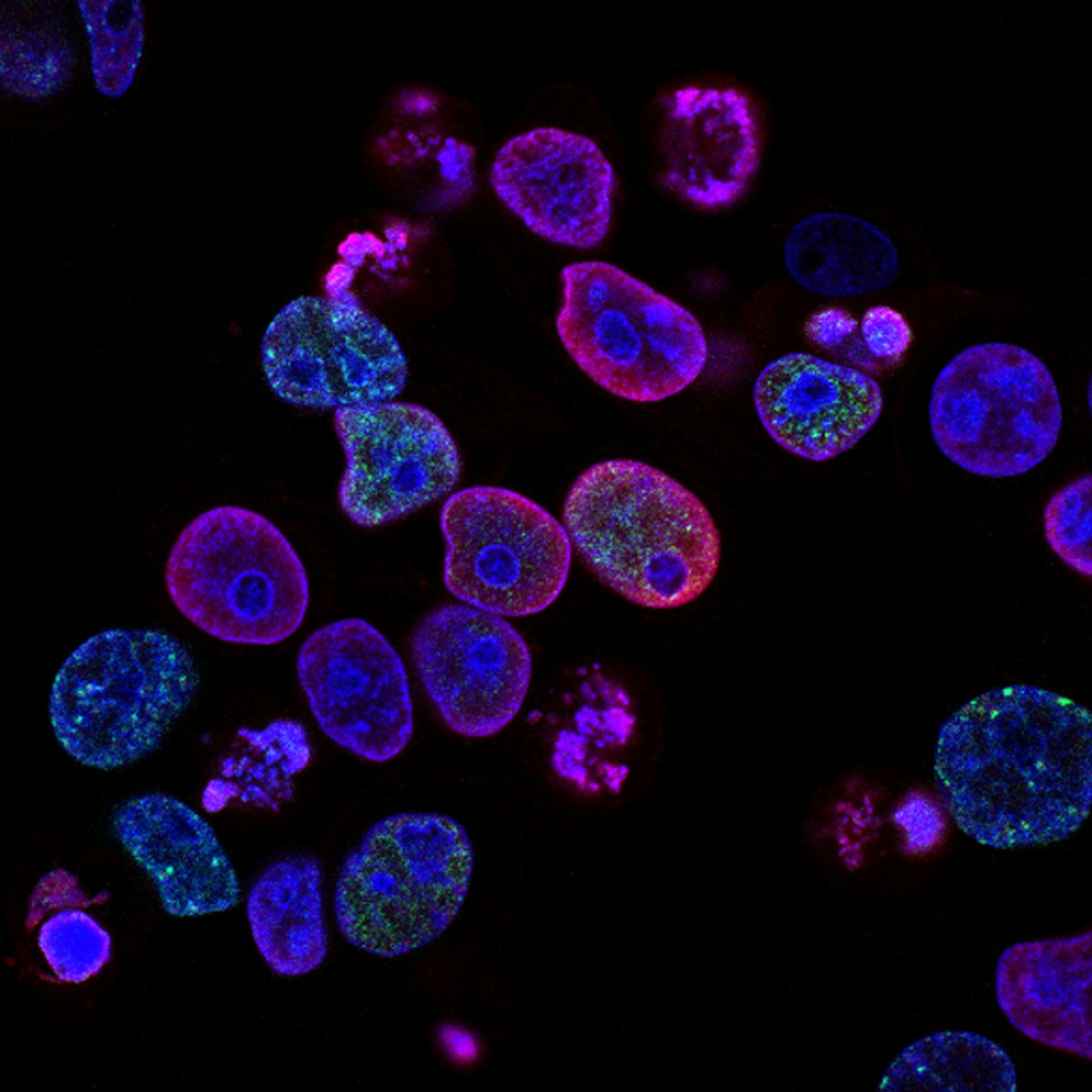
For decades, the standard treatment paradigm has relied on lifelong medication — insulin injections for Type 1 diabetes, and a combination of oral hypoglycemic agents and lifestyle modifications for Type 2. While these approaches manage symptoms, they rarely address the root cause: the progressive loss or dysfunction of insulin-producing beta cells in the pancreas. Now, a revolutionary approach using stem cells is changing the equation, and China is at the forefront of this medical revolution.
The Breakthrough: Stem Cells as a Functional Cure
Stem cell therapy for diabetes operates on an elegantly simple principle: replace the damaged or depleted insulin-producing cells with healthy, functioning ones derived from stem cells. Unlike conventional treatments that merely manage blood sugar levels, this approach aims for what researchers call a “functional cure” — restoring the body’s natural ability to regulate glucose.
Key Concept: Stem cells can be directed to differentiate into insulin-producing beta cells, which are then transplanted into the patient. These new cells can sense blood glucose levels and release insulin accordingly, mimicking the natural function of healthy pancreatic islets.
The technology primarily follows two pathways: cell replacement and paracrine immunomodulation. In cell replacement, pluripotent stem cells — including embryonic stem cells (ESCs) and induced pluripotent stem cells (iPSCs) — are guided through a carefully controlled differentiation process to become functional beta cells. In the paracrine approach, mesenchymal stem cells (MSCs) are used to modulate the immune system and create a more favorable environment for existing beta cells to recover and function.
What makes this approach particularly promising is its potential to address both Type 1 and Type 2 diabetes. For Type 1 patients, whose immune systems have destroyed their beta cells, stem cell-derived islet cells could provide a permanent replacement. For Type 2 patients, whose beta cells have been overwhelmed by insulin resistance, stem cells can both replace exhausted cells and improve the body’s sensitivity to insulin.
China’s Clinical Success: 301 Hospital’s Groundbreaking Study
The most compelling evidence of stem cell therapy’s potential comes from China’s People’s Liberation Army General Hospital (301 Hospital), where a landmark clinical trial has demonstrated remarkable results in treating Type 2 diabetes with umbilical cord mesenchymal stem cells (UC-MSCs).

The study, which enrolled 91 patients with Type 2 diabetes, demonstrated that monthly intravenous infusions of UC-MSCs were both safe and effective. The results were striking: a significant proportion of patients showed reduced insulin requirements, improved glycemic control, and alleviated insulin resistance. Most notably, approximately 83% of patients in the trial were able to achieve complete independence from exogenous insulin — a result that surpasses anything achieved with conventional therapies.
Clinical Evidence: The 301 Hospital study represents one of the largest and most rigorous clinical trials of stem cell therapy for diabetes in China, providing robust evidence for the safety and efficacy of this approach.
Professor Mu Yiming, a leading endocrinologist at 301 Hospital, presented these findings at the 2026 Peking University Diabetes Forum (PUDF 2026), where he also discussed stem cell therapy’s potential for addressing diabetic complications, including diabetic kidney disease. His team’s work has been instrumental in advancing China’s position as a global leader in regenerative medicine for metabolic diseases.
Hainan Boao Lecheng: Where Innovation Meets Accessibility
While clinical trials continue to push the boundaries of what’s possible, China has already taken a groundbreaking step toward making stem cell diabetes treatment available to patients. The Hainan Boao Lecheng International Medical Tourism Pilot Zone — China’s only special economic zone for medical tourism — has approved the world’s first commercially available stem cell treatment for Type 2 diabetes.
Timeline:
- 2025 End: Ciming Boao International Hospital receives approval to offer stem cell treatment for Type 2 diabetes
- Treatment Provider: Beike Biotechnology Co., Ltd. supplies the cell preparation
- 10 Years of Research: The technology underwent a decade of preclinical and clinical validation before commercial availability
- Target Patients: Type 2 diabetes patients with insufficient response to conventional treatment
The treatment at Boao Lecheng represents a significant departure from the trial phase. Patients can now access stem cell therapy through a standardized clinical pathway, with the hospital’s multidisciplinary team providing comprehensive care from initial assessment through post-treatment follow-up. The integration of stem cell therapy with chronic disease management protocols ensures that patients receive holistic care that addresses both the cellular repair and ongoing lifestyle factors.
Policy Advantage: The “zero tariff” policy at Boao Lecheng allows import of advanced medical technologies and drugs not yet available elsewhere in China, making it a unique hub for cutting-edge treatments.
Clinical data from the Boao Lecheng program has shown meaningful improvements in key diabetes metrics. Patients have demonstrated better control of glycated hemoglobin (HbA1c), fasting blood glucose, and postprandial blood glucose levels. Perhaps most significantly, a notable proportion of patients have achieved reduction or complete discontinuation of their previous diabetes medications.
How Stem Cell Diabetes Therapy Works
The science behind stem cell diabetes therapy is rooted in the remarkable ability of stem cells to differentiate into virtually any cell type in the human body. For diabetes treatment, researchers have developed sophisticated protocols to guide stem cells toward becoming functional insulin-producing beta cells.
| Stem Cell Type | Source | Application in Diabetes |
|---|---|---|
| Embryonic Stem Cells (ESCs) | Blastocyst-stage embryos | Differentiation into beta cells for transplantation |
| Induced Pluripotent Stem Cells (iPSCs) | Reprogrammed adult cells | Personalized beta cell generation, immune-compatible |
| Mesenchymal Stem Cells (MSCs) | Bone marrow, umbilical cord, adipose tissue | Immune modulation, paracrine effects, beta cell protection |
| Allogeneic Islet Cells | Donor pancreas or stem cell-derived | Direct transplantation of insulin-producing units |
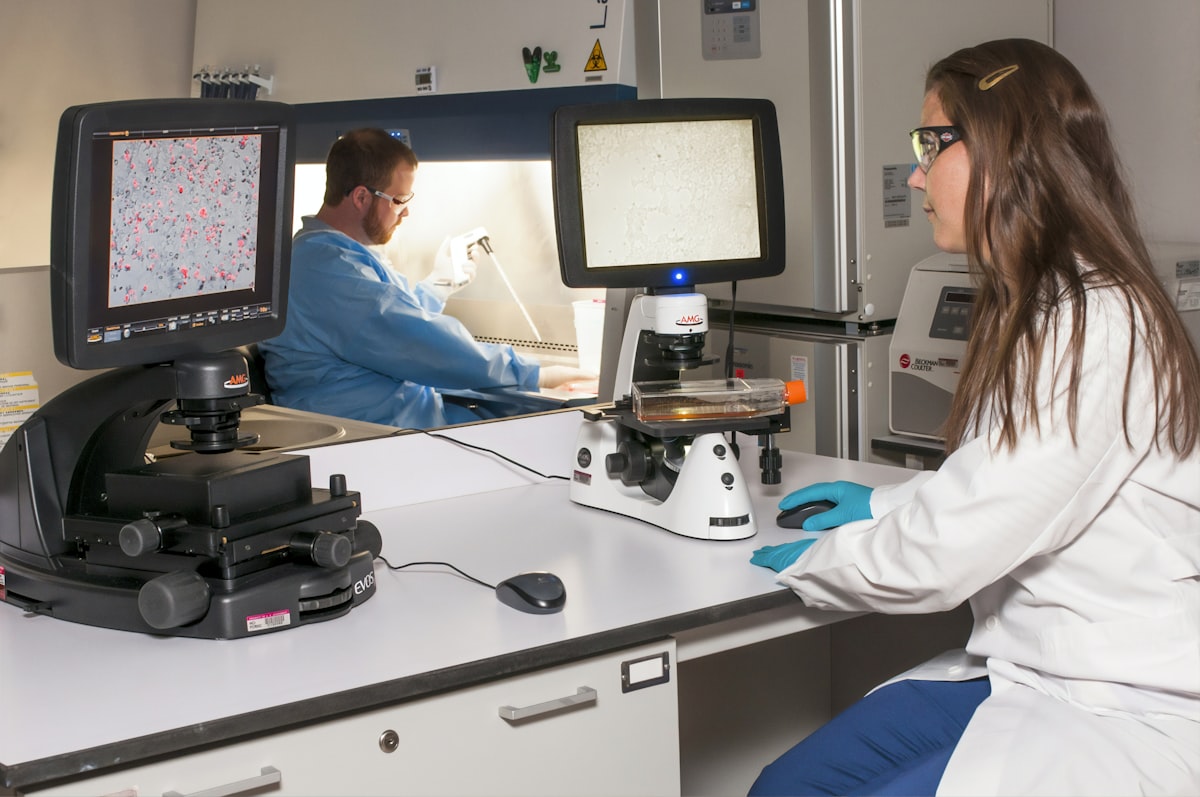
The process begins with the collection and preparation of stem cells. For mesenchymal stem cells, this typically involves harvesting cells from umbilical cord tissue or bone marrow. These cells are then expanded in controlled laboratory conditions and subjected to quality testing to ensure safety and potency.
For the more advanced approach of generating insulin-producing beta cells, the process is more complex. Pluripotent stem cells must be guided through a multi-stage differentiation protocol that mimics the natural development of pancreatic cells in the embryo. This involves exposing the cells to a carefully timed sequence of growth factors and signaling molecules that direct them toward the beta cell fate.
Once the cells have been prepared, they are delivered to the patient through various routes. Mesenchymal stem cells are typically administered intravenously, where they can exert their immunomodulatory and regenerative effects throughout the body. For direct beta cell replacement, the cells may be transplanted into the liver or encapsulated in protective devices that allow insulin to diffuse out while shielding the cells from immune attack.
Regulatory Milestones: Policy Paves the Way
China’s progress in stem cell diabetes therapy has been accelerated by a supportive regulatory environment that balances innovation with patient safety. In 2025, the State Council issued landmark regulations that formally recognized stem cell therapy as a compliant medical treatment, paving the way for broader clinical adoption.
Key regulatory milestones include:
| Date | Milestone | Significance |
|---|---|---|
| April 2025 | NMPA approves E-islet 01 for clinical trials | China’s first allogeneic regenerative islet injection enters Phase I trials |
| Late 2025 | Boao Lecheng approves commercial stem cell diabetes treatment | World’s first commercially available stem cell therapy for Type 2 diabetes |
| 2025 | State Council issues compliance regulations | Triple-A hospitals authorized to provide stem cell treatments |
| 2025 | Stem cell technology in “Healthy China 2030” | Designated as a key national support project |
One of the most significant regulatory developments is the approval of E-islet 01, an allogeneic human regenerative islet injection developed jointly by Shanghai Changzheng Hospital and the Chinese Academy of Sciences. This product, which received NMPA approval for clinical trials in April 2025, represents China’s first domestically developed regenerative islet technology. China has become only the second country in the world to master allogeneic universal regenerative islet technology, after the United States.
Global Significance: China’s Position in Regenerative Medicine
China’s achievements in stem cell diabetes therapy have positioned the country as a global leader in regenerative medicine for metabolic diseases. With over 7,230 stem cell clinical trials registered worldwide, China’s contributions have been both numerous and groundbreaking.
- 7,230+ Global Stem Cell Trials
- 2nd Country to Master Allogeneic Islet Tech
- 5-10 Years to Widespread Clinical Use
The significance of China’s progress extends beyond national borders. With diabetes affecting hundreds of millions globally, any breakthrough in treatment has enormous implications for global health. China’s combination of advanced research capabilities, supportive regulatory frameworks, and competitive treatment costs makes it an increasingly attractive destination for medical tourists seeking cutting-edge diabetes care.
Dr. An Chiying, a postdoctoral researcher in endocrinology, offered a balanced perspective on the technology’s maturity: “Stem cell therapy for diabetes is like smartphones 20 years ago — the core technology is already formed and can achieve core functions, but it still needs time to become stable, reliable, and accessible to everyone.” She estimated that widespread clinical application is likely within 5-10 years, contingent on ongoing clinical validation and manufacturing scale-up.
For Medical Tourists: China’s Boao Lecheng pilot zone already offers stem cell diabetes treatment, combining cutting-edge therapy with the appeal of medical tourism in a tropical resort setting. Patients can access treatments not yet available in their home countries while enjoying the cultural and natural attractions of Hainan Island.

Sources
- Zimislecel (VX-880) Stem Cell Therapy for Type 1 Diabetes: FORWARD Phase 1/2 Trial — 83% of Patients Achieve Insulin Independence — New England Journal of Medicine (2025-06-20)
- 干细胞再造胰岛,1型糖尿病患者告别胰岛素 | NEJM — 36氪 (2025-06-24)
- PUDF 2026 | 独家访谈: 干细胞技术如何实现疾病的逆转与修正 — 母义明教授 — 国际糖尿病 (2026)
- Efficacy and Safety of Umbilical Cord-Derived MSCs for Type 2 Diabetes: Phase 2 Trial (91 Patients) — Stem Cell Research & Therapy (2022)
- 我科学家全球首创新型”胰岛零件”:E-islet 01获中美IND批件 — 新华网 (2026-03-19)
- 2型糖尿病干细胞治疗技术在博鳌乐城发布 — 人民网·海南频道 (2026-03-23)
- “2型糖尿病人脐带间充质干细胞治疗技术”暨临床应用项目在乐城先行区发布 — 琼海市人民政府 (2026-03-27)
- 博鳌乐城干细胞治疗2型糖尿病新范式落地 — 新浪财经 (2026-03-23)
- 生物医学新技术临床研究和临床转化应用管理条例(国务院第818号令) — 国务院 (2025-09)
- 2025中国干细胞治疗2型糖尿病临床进展盘点 — 杭吉干细胞科技 (2025-11-22)