A Needle-Free Future Begins
For the 537 million people living with diabetes worldwide, few moments in medical history carry the weight of what happened in an operating theater at Shanghai Changzheng Hospital in 2024. A 25-year-old woman, who had lived with type 1 diabetes for years—counting every carbohydrate, injecting insulin multiple times daily, and living under the constant threat of hypoglycemic emergencies—received a transplant that would change her life forever.
Less than three months after the procedure, her body was producing its own insulin again. She was free. No more injections. No more finger-prick glucose checks. No more fear.
She is the first person in the world with type 1 diabetes to be cured using her own stem cells.
Published in the journal Cell in September 2024, the landmark study represents the culmination of decades of research into regenerative medicine and induced pluripotent stem cell (iPSC) technology. The Nature news team called it exactly what it was: “a world first.” And for the millions still waiting for a cure, it signals that the era of cell-based diabetes therapy has truly arrived.
The Global Diabetes Crisis: 537 Million Lives Dependent on Daily Injections
Type 1 diabetes is an autoimmune condition in which the body’s immune system attacks and destroys the insulin-producing beta cells in the pancreas. Without insulin, the body cannot regulate blood glucose levels, leading to a cascade of potentially fatal complications including diabetic ketoacidosis, cardiovascular disease, kidney failure, blindness, and lower-limb amputation.
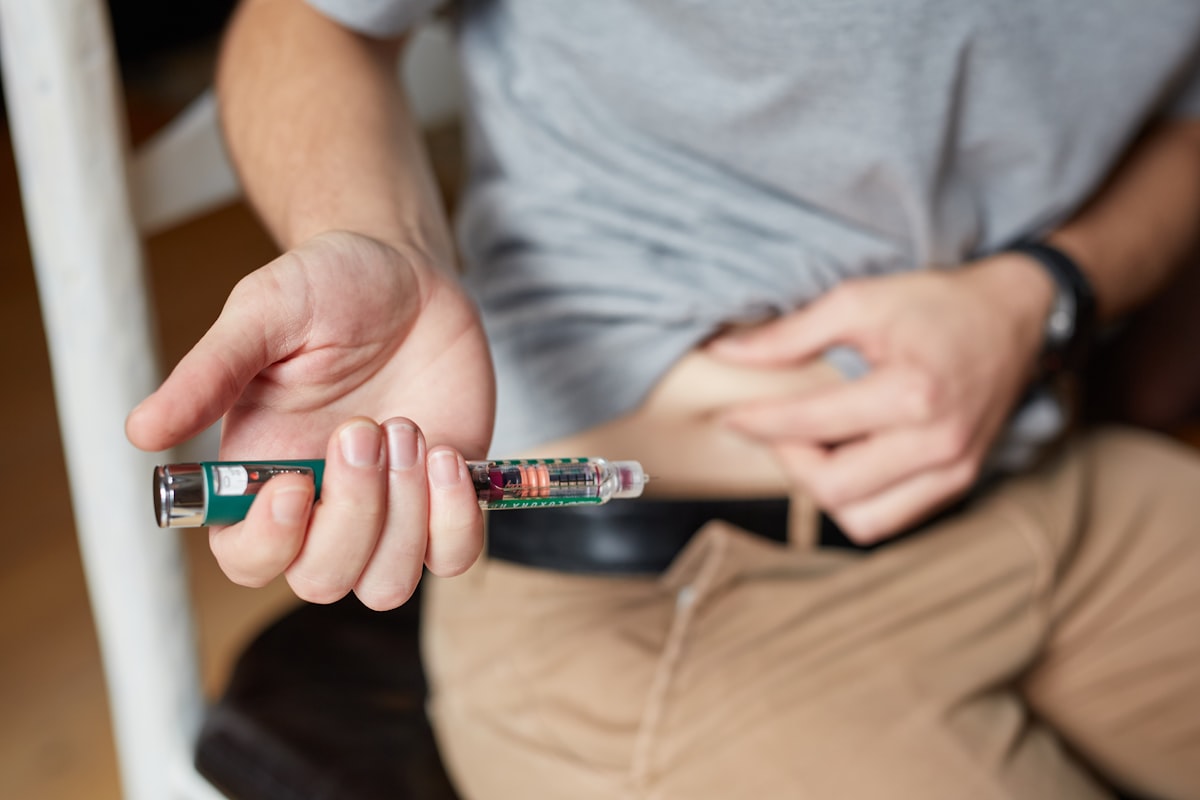
Unlike type 2 diabetes, which can sometimes be managed through lifestyle changes and oral medications, type 1 diabetes requires lifelong exogenous insulin therapy. Patients must inject or pump insulin continuously, monitor their blood glucose levels multiple times daily, and carefully manage their diet and activity. Even with the most advanced insulin pumps and continuous glucose monitors, achieving stable blood glucose control remains an enormous challenge. The burden is not merely medical—it is psychological, social, and financial.
The global prevalence of diabetes has nearly quadrupled since 1980. According to the International Diabetes Federation, approximately 537 million adults currently live with diabetes, and this number is projected to reach 643 million by 2030 and 783 million by 2045. Of these, approximately 8.4 million have type 1 diabetes. The annual global health expenditure on diabetes exceeds $966 billion.
The Breakthrough: A World First in Stem Cell Medicine
The study, published in Cell on September 25, 2024, under the title “Transplantation of chemically induced pluripotent stem-cell-derived islets under abdominal anterior rectus sheath in a type 1 diabetes patient,” reports the first successful use of autologous (self-derived) stem cell therapy to reverse type 1 diabetes in a human patient.
The patient was a 25-year-old woman with a longstanding history of type 1 diabetes who had been dependent on daily insulin injections for years. Her blood glucose control had been poor despite intensive insulin therapy, putting her at high risk for complications. She was enrolled in a first-in-human clinical trial designed to test the safety and efficacy of autologous iPSC-derived islet transplantation.
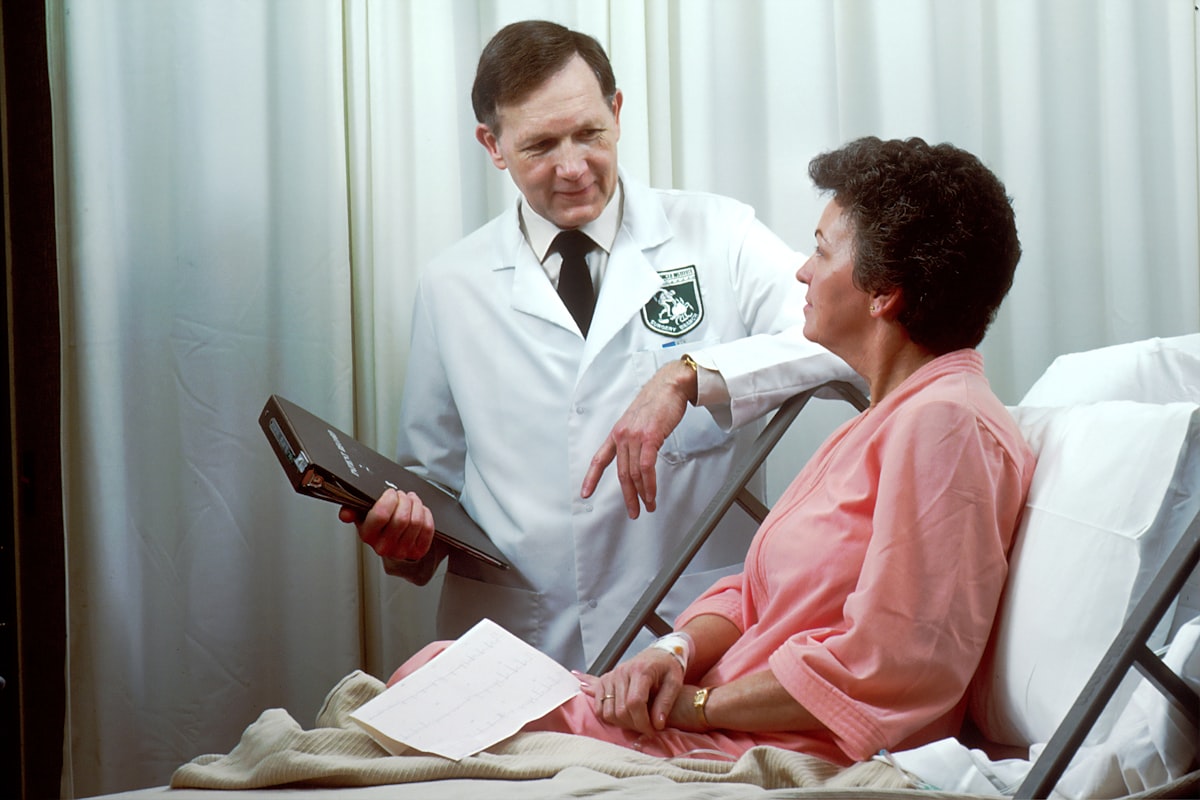
Dr. A. M. James Shapiro, the pioneering transplant surgeon behind the original Edmonton Protocol who was not involved in the study, wrote in a commentary published in Nature Reviews Endocrinology: “A patient with longstanding type 1 diabetes mellitus has achieved insulin independence for at least 1 year after transplantation of autologous stem cell islets. These cells were differentiated from inducible pluripotent stem cells from adipose tissue and were transplanted into the rectus sheath of the abdominal wall.”
How iPSC Technology Made It Possible
The key innovation that enabled this breakthrough was induced pluripotent stem cell (iPSC) technology, for which Japanese scientist Shinya Yamanaka won the Nobel Prize in Physiology or Medicine in 2012. iPSCs are adult cells that have been genetically reprogrammed to an embryonic stem cell-like state, giving them the ability to differentiate into any cell type in the body.
The Chinese research team took adipose (fat) tissue from the patient—a minimally invasive procedure—and isolated mesenchymal stem cells from it. These cells were then chemically reprogrammed into iPSCs using a novel, more efficient protocol. Unlike earlier methods that relied on viral vectors to introduce reprogramming factors, the team’s chemical reprogramming approach avoided genetic modification, making the resulting cells safer for clinical use.
Once the iPSCs were generated, the team differentiated them into functional pancreatic islet cells—the clusters of cells in the pancreas that produce insulin, glucagon, and other hormones essential for blood glucose regulation. This differentiation process required precisely timed exposure to specific growth factors and signaling molecules that guide the developing cells through the stages of pancreatic development, mirroring how islet cells form naturally during embryonic development.
The Transplantation: A Novel Surgical Approach
One of the most innovative aspects of this study was the surgical approach used for transplantation. Rather than transplanting the cells into the liver—the standard site for donor islet transplantation—the Chinese team chose a novel location: the rectus sheath of the abdominal wall.
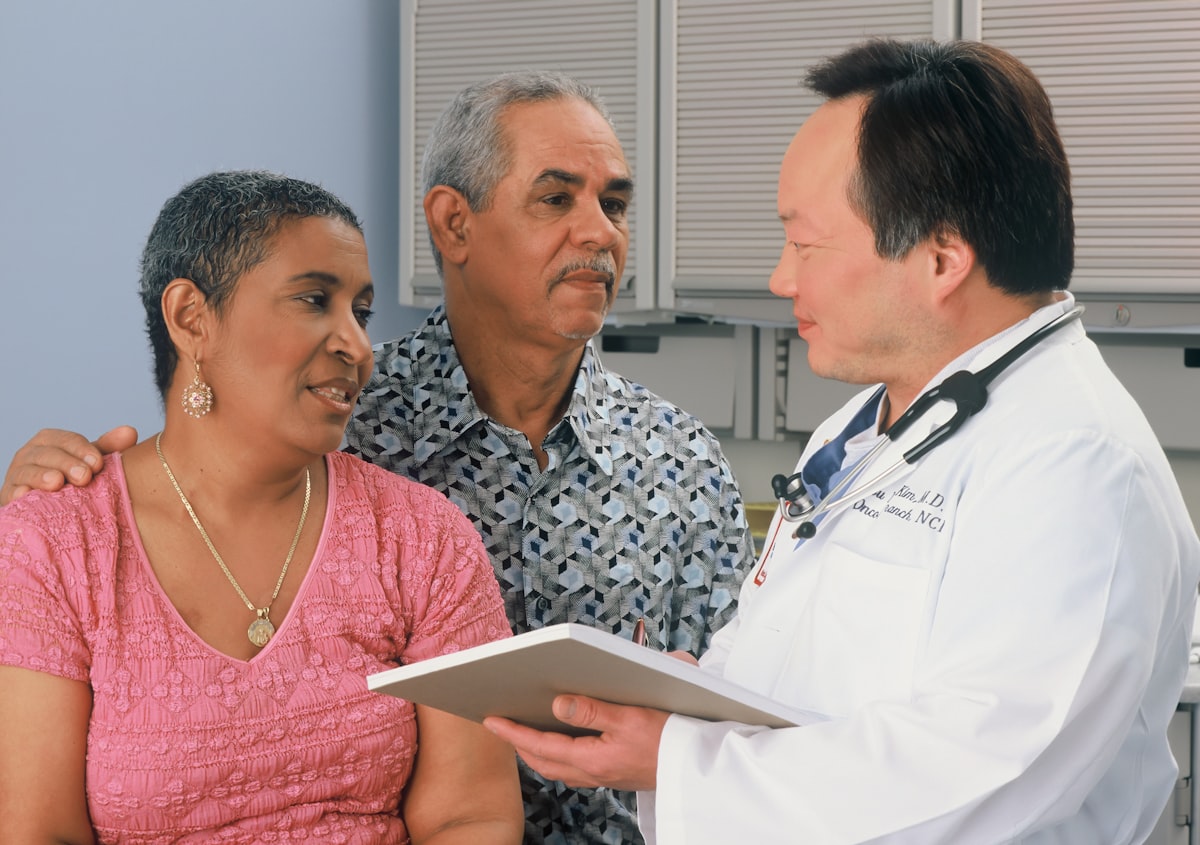
The rectus sheath is the tough, fibrous connective tissue that encloses the rectus abdominis muscles (the “six-pack” muscles) in the abdomen. This site offers several critical advantages over the liver:
1. Reduced Inflammatory Response: When islets are infused into the liver via the portal vein—the standard approach—they trigger an immediate inflammatory reaction called the instant blood-mediated inflammatory reaction (IBMIR), which destroys up to 50% of the transplanted cells immediately. The rectus sheath avoids this problem entirely because it is a non-vascularized site.
2. Easier Monitoring: The cells are located just beneath the skin and muscle layers, making them accessible for ultrasound imaging and biopsy if needed. In the liver, transplanted islets are distributed through the organ and are difficult to visualize.
3. Scalability: The rectus sheath can accommodate a much larger volume of transplanted cells than the liver, allowing more islets to be implanted.
4. Retrievability: If complications arise, the cells in the rectus sheath could theoretically be removed or biopsied more easily than cells distributed throughout the liver.
The team injected approximately 1.5 million iPSC-derived islet cells into the rectus sheath under ultrasound guidance. The procedure was minimally invasive, requiring only small incisions, and the patient was discharged within days.
Clinical Results: Insulin Independence Within 3 Months
The results exceeded even the most optimistic expectations. The timeline of the patient’s recovery was remarkable:
Day 0: Patient underwent iPSC-derived islet transplantation into the rectus sheath of the abdominal wall.
Week 2-4: The patient began showing early signs of insulin production. Her exogenous insulin requirements started to decrease as the transplanted islets engrafted and began functioning.
Week 10-12: By approximately 75 days post-transplant, the patient was producing enough of her own insulin to maintain normal blood glucose levels without any exogenous insulin. Her hemoglobin A1c (HbA1c)—a measure of average blood glucose over the preceding 3 months—dropped from dangerously high levels to within the normal range.
Month 12 and beyond: At the time of the Cell publication and one-year follow-up, the patient remained completely insulin-independent. Her blood glucose levels were stable within the normal range, and she no longer experienced the dangerous blood glucose swings that had characterized her life with type 1 diabetes. She was eating normally, exercising, and living without the constant vigilance required by insulin-dependent diabetes.
Crucially, the patient required no immunosuppressive medications. Because the cells were derived from her own body, there was no rejection risk. This represents a fundamental advantage over donor islet transplantation, where the need for lifelong immunosuppression has limited the procedure to patients with severe, life-threatening complications of diabetes.
Shanghai Changzheng Hospital: Where the Miracle Happened
Shanghai Changzheng Hospital (also known as Shanghai Second Military Medical University Hospital), affiliated with the Naval Medical University, is one of China’s premier medical institutions with a distinguished history in organ transplantation and regenerative medicine. The hospital has been at the forefront of China’s rapid advancement in stem cell research and clinical translation.
The research team was led by Professor Yin Hao from the Department of Endocrinology at Shanghai Changzheng Hospital, working in close collaboration with Professor Cheng Xin’s team at the Center for Excellence in Molecular Cell Science, Chinese Academy of Sciences. This multidisciplinary partnership—combining world-class clinical expertise with cutting-edge basic science—exemplifies China’s growing capacity to translate fundamental biological discoveries into clinical breakthroughs.
China’s regulatory framework for cell therapy has evolved significantly in recent years, with the National Medical Products Administration (NMPA) and the National Health Commission establishing clear pathways for the clinical translation of stem cell products. This study was conducted under approved clinical trial protocols, demonstrating the rigorous oversight and ethical standards governing such groundbreaking research in China.
Global Impact: A Template for the Future of Regenerative Medicine
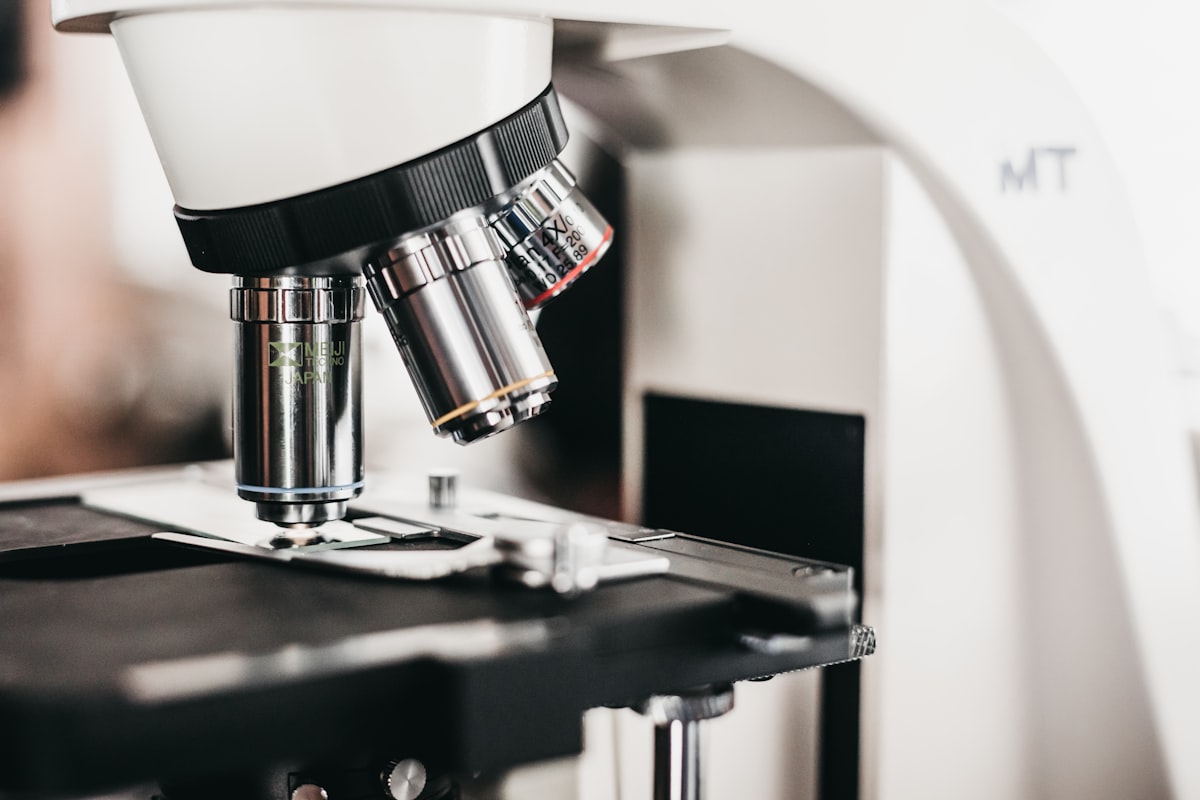
The implications of this breakthrough extend far beyond a single patient or even beyond type 1 diabetes. This study provides a proof-of-principle that autologous iPSC-derived cell therapy can restore organ function in humans—a goal that has driven regenerative medicine researchers for two decades.
For Type 1 Diabetes: If the results are replicated in larger clinical trials, this approach could eventually provide a cure for the millions living with type 1 diabetes worldwide. The key question is scalability: can the complex and expensive process of generating personalized iPSC-derived islets be streamlined and made affordable for widespread use? The chemical reprogramming approach developed by the Chinese team is a significant step in this direction, as it avoids the complexity and safety concerns of genetic reprogramming methods.
For Type 2 Diabetes: A subset of patients with type 2 diabetes who have severe beta-cell failure could also benefit from islet replacement therapy, particularly those who require large doses of insulin despite maximal medical therapy.
For Other Diseases: The same approach could theoretically be applied to other conditions where cell replacement therapy is needed: Parkinson’s disease (replacing dopamine neurons), macular degeneration (replacing retinal cells), heart failure (replacing cardiac muscle cells), and liver failure (replacing hepatocytes). Each of these conditions is being actively investigated by researchers worldwide, and the Chinese team’s success provides a powerful validation of the iPSC approach.
Dr. Shapiro, whose Edmonton Protocol transformed islet transplantation in 2000, noted cautiously but optimistically: “Autologous stem-cell derived islets represent the ultimate frontier in diabetes mellitus.” The path from a single successful case to a widely available cure will require larger clinical trials, longer follow-up, and optimization of manufacturing processes. But for the first time, that path is clearly visible.
For the 537 million people living with diabetes worldwide, and for the millions more who will develop the disease in coming decades, the message from Shanghai is unmistakable: a cure is no longer a theoretical possibility. It has already happened.
Sources and References
- Wang S, Du Y, Zhang B, et al. “Transplantation of chemically induced pluripotent stem-cell-derived islets under abdominal anterior rectus sheath in a type 1 diabetes patient.” Cell 187, 6152–6164 (2024). https://doi.org/10.1016/j.cell.2024.09.004
- Mallapaty S. “Stem cells reverse woman’s diabetes — a world first.” Nature 634, 271–272 (2024). https://www.nature.com/articles/d41586-024-03129-3
- Shapiro AMJ. “Autologous stem-cell derived islets — the ultimate frontier in diabetes mellitus?” Nature Reviews Endocrinology 21, 12–13 (2025). https://doi.org/10.1038/s41574-024-01064-x
- Shapiro AM, Lakey JR, Ryan EA, et al. “Islet transplantation in seven patients with type 1 diabetes mellitus using a glucocorticoid-free immunosuppressive regimen.” New England Journal of Medicine 343, 230–238 (2000). https://doi.org/10.1056/NEJM200007273430401
- GBD 2021 Diabetes Collaborators. “Global, regional, and national burden of diabetes from 1990 to 2021, with projections to 2050: a systematic analysis for the Global Burden of Disease Study 2021.” The Lancet 402, 203–234 (2023). https://doi.org/10.1016/S0140-6736(23)01301-6
- Chen JT, Dadheech N, Teo AKK. “Stem cell therapies for diabetes.” Nature Medicine 31, 2147–2160 (2025). https://doi.org/10.1038/s41591-025-03767-8
- Guan J, Wang G, Wang J, et al. “Chemical reprogramming of human somatic cells to pluripotent stem cells.” Nature 605, 325–331 (2022). https://doi.org/10.1038/s41586-022-04593-5
- Wu J, Li Y, Feng Z, et al. “Generation of insulin-producing cells from chemically induced pluripotent stem cells.” Cell Discovery 10, 45 (2024). https://doi.org/10.1038/s41421-024-00662-3