Imagine struggling to take each breath, your lungs slowly turning into scar tissue. For patients with idiopathic pulmonary fibrosis (IPF), this is daily reality. Current treatments can only slow progression, not stop it. But what if a vaccine could actually reverse the disease process?
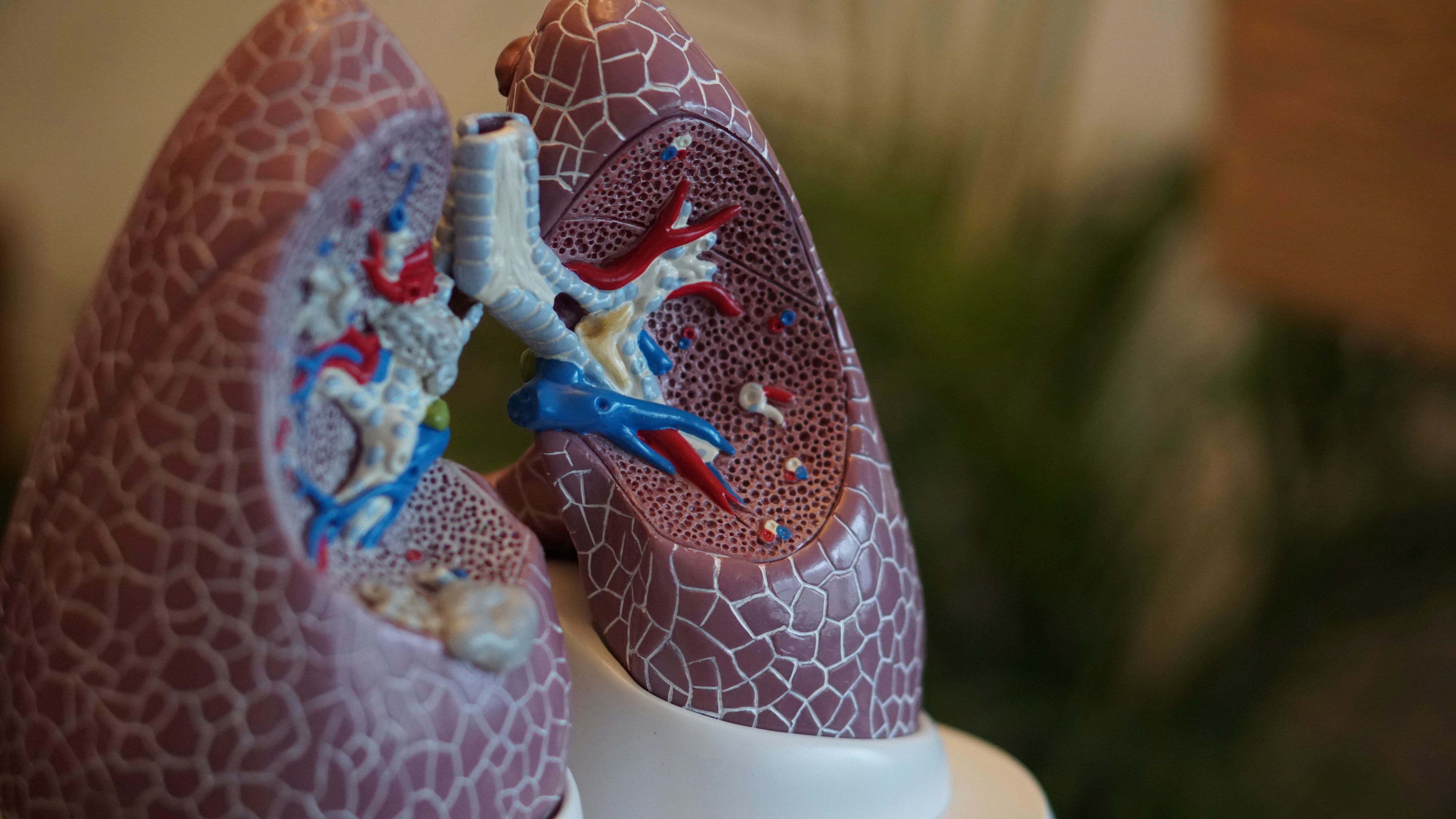 The lungs are essential organs for breathing. In pulmonary fibrosis, lung tissue becomes scarred and stiff. Photo: Robina Weermeijer/Unsplash
A Devastating Disease
Idiopathic pulmonary fibrosis affects approximately 3 million people worldwide, with most patients surviving only 3-5 years after diagnosis. The disease causes progressive scarring of lung tissue, making it increasingly difficult to breathe. Unlike other chronic diseases where treatment options have expanded dramatically in recent decades, IPF patients still have only two approved medications—both of which merely slow decline rather than reverse damage.
“Fibrosis is the final common pathway of many chronic diseases,” explains Dr. Wei Xia, researcher at the Geriatrics Medical Research Center of West China Hospital and senior author of the landmark study. “Yet for IPF specifically, we’ve lacked clear therapeutic targets that could be used for immunotherapy development.”
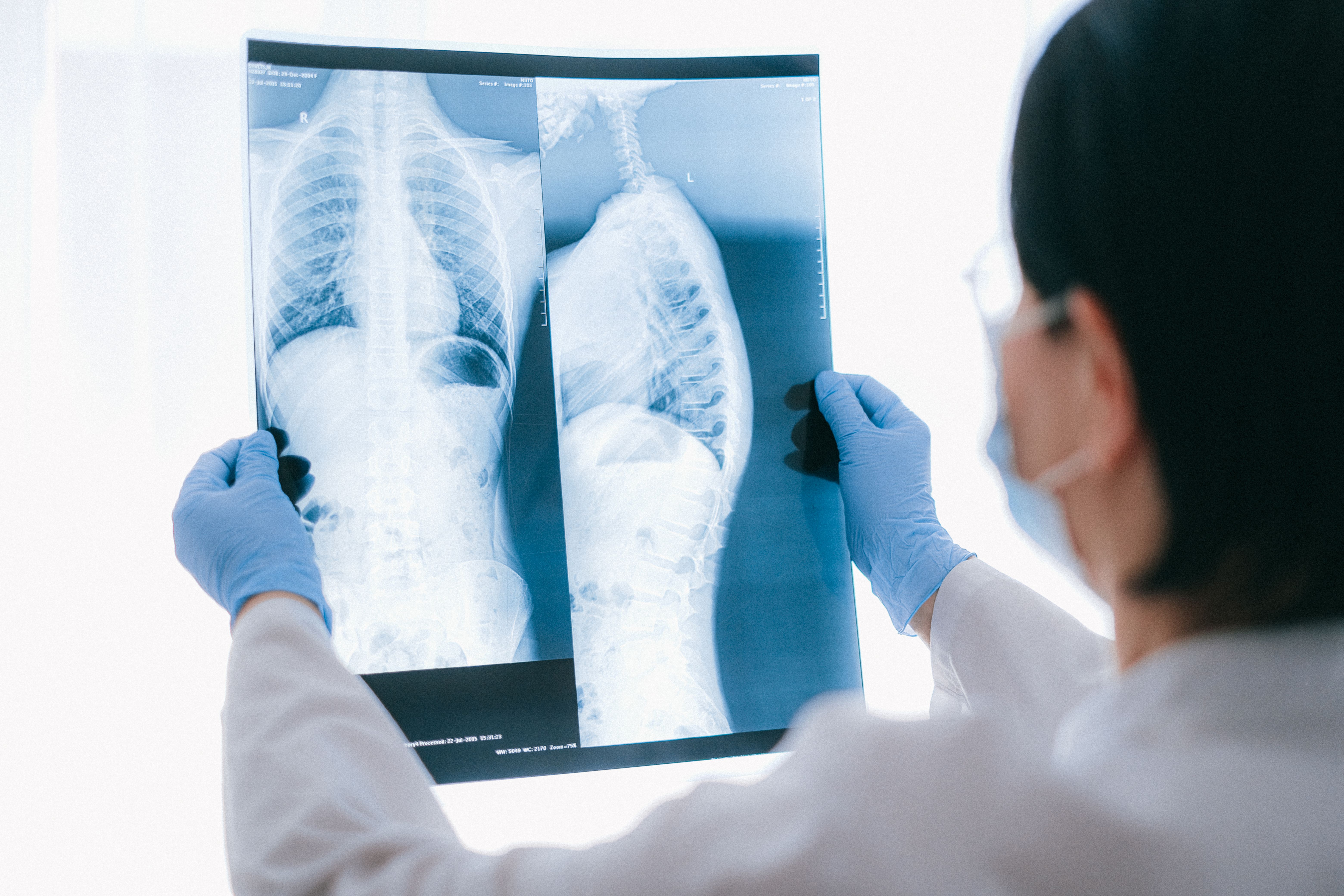 Chest imaging is crucial for diagnosing pulmonary fibrosis. Early detection remains challenging. Photo: Anna Shvets/Pexels
The Immune System Puzzle
Previous research had hinted that the immune system plays a role in IPF, but the precise mechanisms remained unclear. The research team hypothesized that certain molecules presented on the surface of diseased cells might serve as “flags” that could be targeted by the immune system—similar to how cancer immunotherapy works.
These flags are called MHC-I antigens—small protein fragments displayed by cells that tell the immune system what’s happening inside. In cancer, identifying tumor-specific antigens has led to revolutionary immunotherapies. The team reasoned that similar approaches might work for fibrosis.
Mapping the Antigen Landscape
Using advanced mass spectrometry techniques, the researchers systematically mapped the MHC-I antigen repertoire in both human IPF patients and a mouse model of lung fibrosis. This comprehensive “immunopeptidome profiling” revealed that fibrotic lungs display a dramatically different set of antigens compared to healthy lungs.
The researchers identified hundreds of antigens that were specifically enriched in fibrotic tissue. Many of these were linked to key pathological cell types involved in fibrosis progression—myofibroblasts, fibroblasts, and other cells driving the scarring process.
The Fib-SCORE Breakthrough
With so many candidate antigens, the challenge was identifying which ones could serve as effective therapeutic targets. The team developed a novel computational pipeline called Fib-SCORE (Fibrosis-Specific Candidate Optimization and Ranking Evaluation), which integrates immunopeptidome data with single-cell transcriptomics.
This approach prioritized antigens based on multiple criteria:
- Strong association with fibrotic pathology
- Expression in disease-driving cell populations
- Potential to elicit immune responses
- Conservation between mouse and human systems
The analysis identified several promising candidates, with a particular focus on peptides derived from MAF—a transcription factor implicated in fibrotic processes.
 Vaccine development has transformed medicine. This research extends immunotherapy approaches to fibrotic diseases. Photo: CDC/Unsplash
Vaccine Validation
The crucial test was whether these antigens could actually modify disease in living organisms. In mouse models of pulmonary fibrosis, vaccination with the identified antigen peptides produced remarkable results:
- Significant reduction in lung fibrosis severity
- Induction of antigen-specific CD8+ T cell responses
- Targeted elimination of pathological cell populations
- Preserved lung function compared to control groups
Most encouragingly, the MAF-derived antigen showed particularly strong protective effects. In human cell systems with matching HLA types, the same antigen demonstrated promising immunogenicity, suggesting translational potential.
Clinical Promise
This research, published in Nature Immunology on April 20, 2026, represents a paradigm shift in thinking about fibrosis treatment. Rather than broadly suppressing inflammation or blocking signaling pathways, antigen-specific immunotherapy could provide a precision medicine approach that targets the root cause of disease while sparing healthy tissue.
“This establishes a completely new platform for fibrosis drug discovery,” notes Dr. Wei. “By revealing which antigens are truly disease-specific, we can develop vaccines or adoptive cell therapies that specifically attack the pathological cells driving fibrosis.”
The implications extend beyond IPF. Fibrosis is the end-stage pathology of numerous chronic diseases—liver cirrhosis, kidney fibrosis, cardiac fibrosis. The same immunopeptidome-driven approach could potentially identify therapeutic targets across these conditions.
While clinical trials remain years away, the work provides a roadmap for translating basic immunology discoveries into potential disease-modifying therapies. For millions of patients with fibrotic diseases, it offers something that’s been in short supply: hope.
Sources
- Bai Z, Lan T, Hong W, et al. Immunopeptidome profiling in pulmonary fibrosis provides a platform for identifying therapeutic targets. Nature Immunology. 2026 May. DOI: 10.1038/s41590-026-02501-x
- PubMed ID: 42010059
- West China Hospital Academic News. “老年医学研究中心魏霞蔚研究员团队在Nature Immunology发表肺纤维化新抗原及疫苗研究重要成果” Published April 23, 2026. https://www.wchscu.cn/academic/96445.html