omuat.com | June 10, 2026
 Image: Anti-aging research in modern laboratory (Credit: Artem Podrez, Pexels)
What if a 60-year-old diabetes pill could turn back the clock on your gut? Researchers at the Chinese Academy of Sciences have just proven it can — identifying a molecular switch that controls intestinal aging and showing that the common drug metformin flips it back to “young.”
Table of Contents
- The Problem: Why Your Gut Ages
- A Landmark Study in Primate Aging
- The Key Discovery: NCoR1 as the Aging Switch
- The Metformin Breakthrough
- Clinical Implications: A New Use for an Old Drug
- Source Links
The Problem: Why Your Gut Ages {#the-problem}
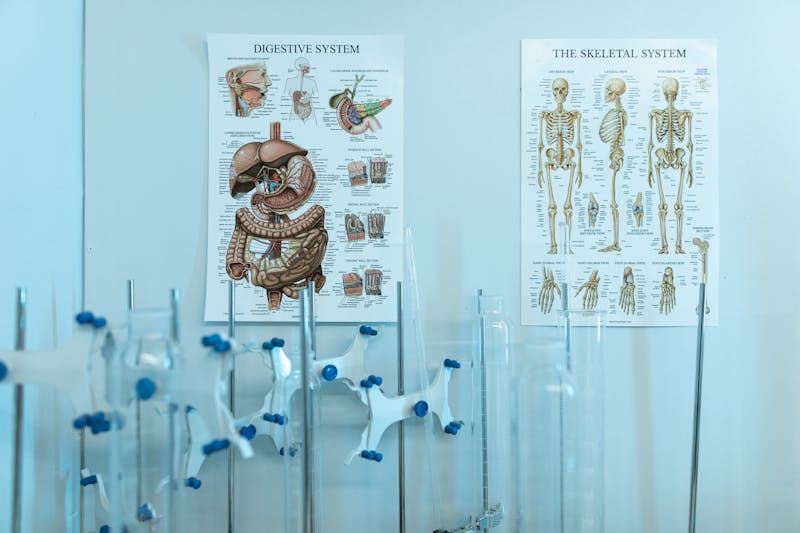 Image: Human digestive system anatomy (Credit: RDNE Stock project, Pexels)
Three Core Changes in Aging Intestines
As we age, our small intestine undergoes three fundamental changes that compromise health:
- Barrier dysfunction — The intestinal epithelial barrier loses integrity, allowing harmful substances to pass through
- Chronic inflammation — The aging gut enters a persistent inflammatory state
- Stem cell fate bias — Intestinal stem cells shift from producing nutrient-absorbing cells to secretory cells, reducing nutrient absorption capacity
The Impact on Elderly Health
These changes explain why older adults often experience digestive problems, nutrient deficiencies, and increased susceptibility to intestinal diseases. The small intestine is responsible for 90% of nutrient absorption, making its health critical for overall wellness in aging populations.
A Landmark Study in Primate Aging {#landmark-study}
 Image: Research team conducting genomic analysis (Credit: Mikhail Nilov, Pexels)
Single-Nucleus Resolution Analysis
Published in Nature Aging on June 9, 2026, researchers from the Institute of Zoology and Beijing Institute of Genomics at the Chinese Academy of Sciences conducted the first comprehensive single-nucleus RNA sequencing study of primate small intestinal aging.
Research Methodology
The team compared young and aged cynomolgus monkeys (a primate model closely related to humans) using cutting-edge single-nucleus transcriptomics. This approach revealed cell-type-specific changes that were previously invisible to conventional methods.
Validation in Human Systems
Critically, the findings were validated in human intestinal epithelial cells and organoid models, confirming that the identified aging mechanisms are conserved across primates and humans.
The Key Discovery: NCoR1 as the Aging Switch {#key-discovery}
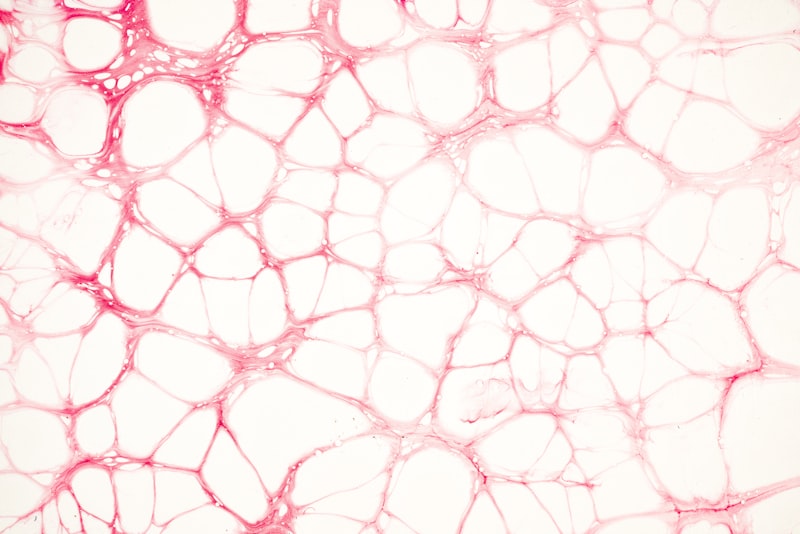 Image: Cellular differentiation microscopy (Credit: FlyD, Unsplash)
NCoR1: The Master Regulator
The research team identified NCoR1 (Nuclear Receptor Co-Repressor 1) as the critical molecular switch controlling intestinal aging. This transcriptional co-repressor shows a consistent decline in aging intestines — a pattern conserved in both primates and humans.
Causal Evidence
Through functional experiments, the team demonstrated:
- NCOR1 knockdown recreates aging phenotypes: cellular senescence, barrier disruption, and lineage imbalance
- NCoR1 overexpression alleviates aging phenotypes and improves intestinal function
Stem Cell Lineage Correction
Perhaps most importantly, restoring NCoR1 levels corrected the stem cell differentiation bias that causes nutrient absorption problems in aging guts. Stem cells resumed producing absorptive cells rather than excessive secretory cells.
The Metformin Breakthrough {#metformin-breakthrough}
 Image: Prescription medication and diabetes drugs (Credit: Karola G, Pexels)
From Mechanism to Treatment
The most exciting finding came when researchers tested metformin — a widely prescribed diabetes medication in use since the 1950s. Treatment with metformin restored NCoR1 expression levels in aged primates and delayed intestinal aging.
The Intervention Pathway
The mechanism follows a clear pathway:
Metformin → NCoR1 level restoration → Reduced cellular senescence → Protected epithelial barrier → Corrected stem cell differentiation → Delayed intestinal aging
Why Metformin?
Metformin has long been studied for potential anti-aging effects, but the molecular mechanisms remained unclear. This study provides the first direct evidence that metformin’s geroprotective effects on the intestine work through the NCoR1 pathway.
Clinical Implications: A New Use for an Old Drug {#clinical-implications}
 Image: Senior nutrition and healthy aging lifestyle (Credit: T Leish, Pexels)
Immediate Clinical Potential
The findings have significant implications for elderly health:
- Drug repurposing — Metformin is already FDA-approved with decades of safety data
- NCoR1 as therapeutic target — Provides a clear molecular target for developing new anti-aging interventions
- Biomarker potential — NCoR1 levels could serve as a biomarker for intestinal aging
Future Research Directions
The research team suggests several next steps:
- Clinical trials of metformin for delaying human intestinal aging
- Development of NCoR1-specific therapeutic agents
- Investigation of NCoR1’s role in aging of other organs
Research Leadership
This landmark study was led by Professors Qu Jing, Zhang Weiqi, and Liu Guanghui from the Chinese Academy of Sciences, with major funding from the National Key R&D Program and National Natural Science Foundation of China. It represents a significant contribution to the field of aging research from China’s leading scientific institutions.