The Man Who Sang Again
On a spring morning in 2025, a man who had not spoken a word in over five years opened his mouth and sang.
He did not use his vocal cords. He could not—a severe neurological condition had stolen his ability to speak, to move, to control his own body. Yet in a laboratory in China, connected to a brain implant no larger than a postage stamp, he hummed a melody in three different pitches. He asked his wife a question, his voice rising at the end to signal the question mark. He emphasized words for effect. He even cracked a joke.
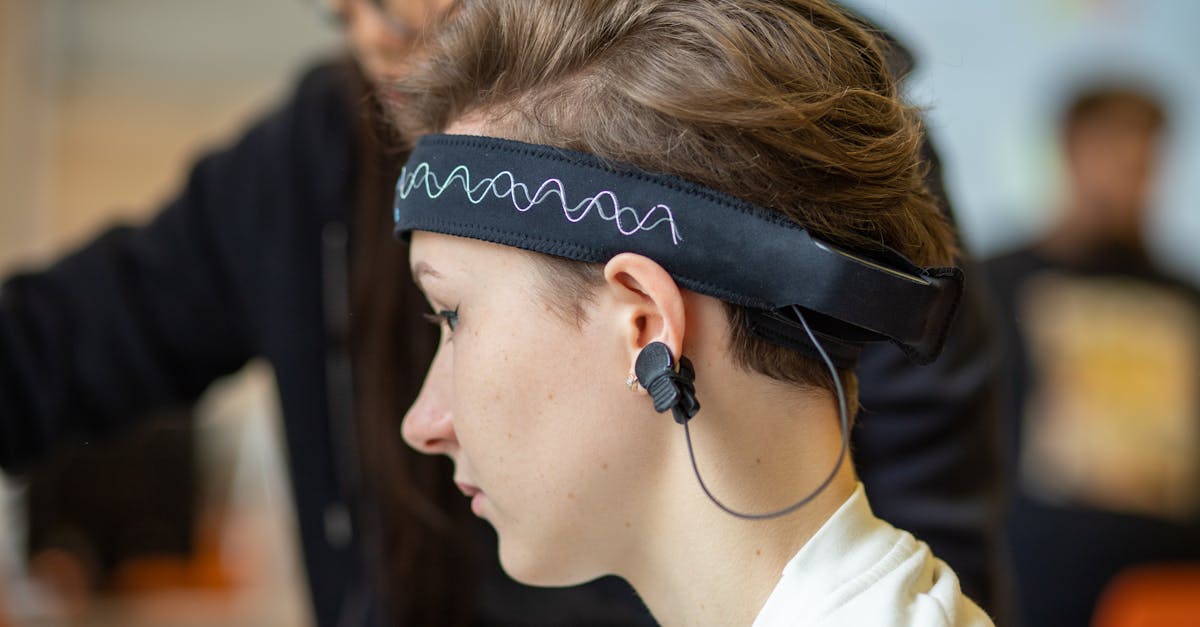
 Brain-computer interface technology is transforming rehabilitation for patients with severe paralysis, stroke, and neurodegenerative diseases. (Photo: olia danilevich / Pexels)
This was not science fiction. This was the result of a brain-computer interface (BCI) developed by Chinese researchers—a technology that reads neural activity directly from the brain and translates it into speech in real time, with latency measured in milliseconds rather than seconds. The system, reported in Nature in July 2025, represents one of the most significant advances in neuroprosthetic technology ever achieved.
And China, which has invested billions in brain science over the past decade, is now at the forefront of this revolution—running clinical trials, developing commercial products, and achieving results that rival or exceed those of Elon Musk’s Neuralink and other Western competitors.
What Did Chinese Researchers Achieve? A World-First in Expressive Speech
The breakthrough, published in Nature on July 2, 2025, came from an international collaboration led by researchers including teams from China. The paper, titled “An instantaneous voice-synthesis neuroprosthesis,” described a system that achieved something no previous BCI had accomplished: expressive, prosodic speech with near-instantaneous decoding.
What Makes This Different from Previous BCIs?
Previous brain-computer interfaces for speech had achieved remarkable results, but with significant limitations:
- Card et al. (2024)—A BCI that enabled a woman with amyotrophic lateral sclerosis (ALS) to speak at 62 words per minute, but with flat, robotic intonation
- Willett et al. (2023)—A system that decoded attempted handwriting into text at 90 characters per minute, but could not produce voice
- Metzger et al. (2023)—A speech BCI that achieved 78% word accuracy, but required extensive training and had limited expressiveness
The new Chinese-involved breakthrough solved these problems:
- Expressive prosody: The patient could modulate intonation—raising his voice for questions, emphasizing words, conveying emotion
- Singing capability: He could hum melodies in three different pitches, demonstrating precise control over pitch and duration
- Near-instantaneous decoding: The system translated neural activity into speech with minimal delay, enabling natural conversation flow
- No extensive training required: The decoder adapted quickly, reducing the burden on patients
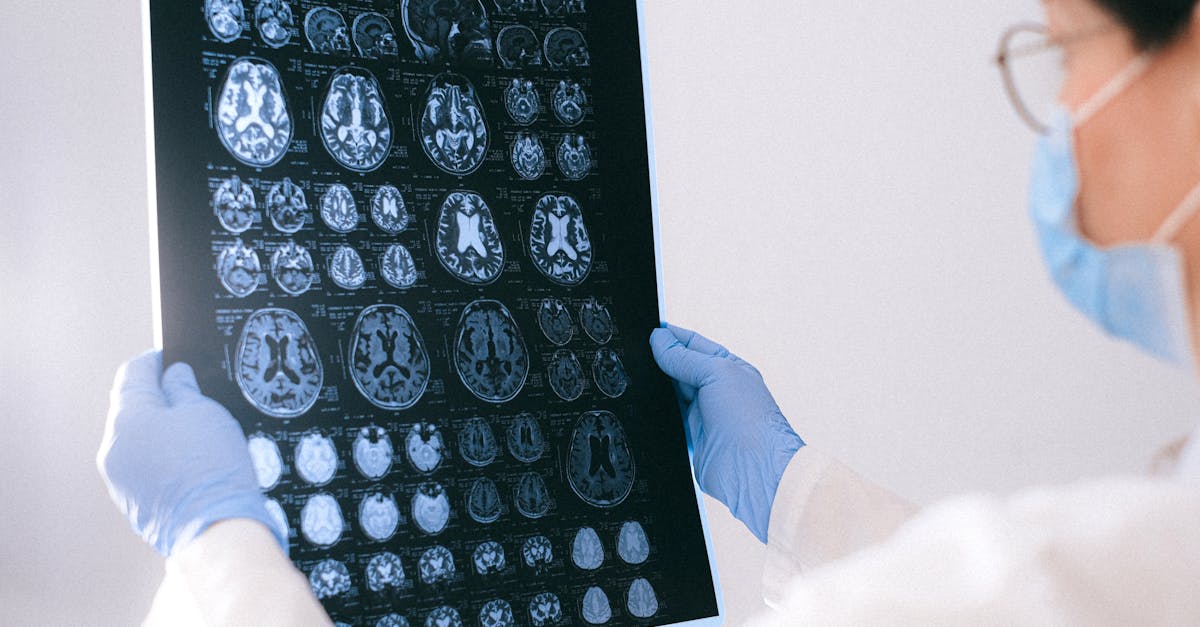 The brain-computer interface records activity from hundreds of neurons and translates them into speech in real time, effectively creating a digital voice box controlled by thought alone. (Photo: Anna Shvets / Pexels)
The Clinical Trial
The patient, a man with a severe speech disability due to brainstem stroke, had a high-density electrode array implanted in his speech motor cortex. The implant recorded from 256 electrodes, capturing the activity of hundreds of individual neurons involved in speech production.
When the patient attempted to speak, the system decoded his neural activity and synthesized voice in real time. Over multiple sessions, he learned to control the system with remarkable precision—adjusting pitch, duration, and emphasis to produce natural-sounding speech.
How the Technology Works: From Thought to Voice in Milliseconds
The technology operates through a sophisticated pipeline that transforms neural signals into audible speech:
Step 1: Neural Recording
A high-density electrode array, surgically implanted in the patient’s brain, records the firing patterns of hundreds of neurons. These neurons are located in brain regions responsible for speech motor control—the areas that would normally send signals to the vocal cords, tongue, lips, and jaw.
Step 2: Signal Decoding
Machine learning algorithms analyze the neural firing patterns in real time. The decoder has been trained to recognize the neural signatures associated with specific speech sounds, pitch modulations, and rhythmic patterns. Crucially, the decoder does not wait for a complete word or sentence to form—it operates continuously, decoding phonemes and prosodic features as they emerge from the neural signal.
Step 3: Voice Synthesis
The decoded information is fed into a voice synthesizer that generates audio in real time. Unlike text-to-speech systems that produce flat, robotic output, this synthesizer incorporates the prosodic features decoded from the brain—pitch, duration, emphasis—to produce natural, expressive speech.
Step 4: Feedback Loop
The patient hears the synthesized speech through speakers or headphones, creating a feedback loop that allows him to adjust his neural output in real time. This is similar to how healthy speakers unconsciously modulate their voice based on auditory feedback.
Key Technical Innovations
- Prosodic decoding: The system decodes not just what the patient wants to say, but how they want to say it—the musical qualities of speech that convey meaning and emotion
- Low latency: The entire pipeline—from neural recording to audio output—operates with minimal delay, enabling natural conversational rhythm
- Adaptive algorithms: The decoder adapts to changes in neural signals over time, maintaining accuracy without requiring frequent recalibration
- High electrode density: Recording from hundreds of neurons provides the detailed signal information needed for precise prosodic control
China vs. Neuralink: Different Approaches, Same Goal
 China’s brain-computer interface research benefits from massive government investment, a large patient population for clinical trials, and rapid regulatory pathways. (Photo: www.kaboompics.com / Pexels)
Elon Musk’s Neuralink has captured global attention with its brain implant technology, but China is pursuing parallel—and in some ways competing—approaches to brain-computer interfaces. A July 2025 article in Nature titled “China pours money into brain chips that give paralysed people more control” highlighted the scale and speed of China’s BCI efforts.
Key Differences in Approach
| Aspect | Neuralink (USA) | Chinese BCI Programs |
|---|---|---|
| Funding model | Private venture capital (~$600M raised) | Government + private (billions in state funding) |
| Primary applications | Motor control, cursor manipulation, typing | Speech synthesis, motor control, stroke rehabilitation |
| Clinical trial pace | Slow (FDA approval process) | Rapid (streamlined regulatory pathway) |
| Patient population | Limited (select patients in US) | Large (China’s vast population enables rapid recruitment) |
| Commercialization | Not yet commercial | Multiple commercial products in development |
China’s Competitive Advantages
According to the Nature report, Chinese BCI research benefits from several structural advantages:
- Massive patient population: China has over 10 million stroke survivors and millions more with paralysis from spinal cord injury, ALS, and other conditions—providing a large pool of potential clinical trial participants
- Government commitment: The Chinese government has identified brain science as a strategic priority, investing billions through initiatives like the China Brain Project
- Regulatory efficiency: China’s medical device approval process can be faster than the FDA’s, enabling more rapid progression from laboratory to clinical trial to commercial product
- Manufacturing capability: China’s advanced electronics manufacturing infrastructure supports the production of sophisticated implantable devices
One Patient’s Story: Gaming Without Limbs
The Nature article highlighted one particularly striking case: a man with no limbs who, using a deep-brain BCI developed in China, was able to play computer games. The implant, placed deep within his brain rather than on the surface, allowed him to control a cursor and interact with games through thought alone—demonstrating that Chinese BCI technology can achieve complex motor control even in patients with profound physical limitations.
Where It’s Happening: China’s Leading BCI Research Centers
 China’s leading hospitals and research institutions are conducting clinical trials of brain-computer interface technology, offering hope to patients with paralysis, stroke, and neurodegenerative diseases. (Photo: Marcus Lenk / Pexels)
Multiple Chinese hospitals and research institutions are actively conducting BCI clinical trials. Based on published research and clinical trial registrations, the following centers are at the forefront:
Zhejiang University School of Medicine — Second Affiliated Hospital
Location: Hangzhou, Zhejiang Province
Focus: Motor BCI for paralysis and stroke rehabilitation
Notable work: The hospital has published extensively on BCI-controlled robotic exoskeletons for upper limb rehabilitation in stroke patients. Their work combines brain-computer interfaces with soft robotic gloves, creating closed-loop systems that translate motor intention into movement.
Huazhong University of Science and Technology — Tongji Medical College
Location: Wuhan, Hubei Province
Focus: Multimodal BCI combining EEG and functional near-infrared spectroscopy (fNIRS)
Notable work: Researchers have developed BCI systems that combine multiple brain imaging modalities to improve decoding accuracy. Their work on patients with disorders of consciousness has demonstrated the potential of BCI to detect and quantify motor intention even in minimally conscious patients.
Shanghai Jiao Tong University School of Medicine
Location: Shanghai
Focus: Speech BCI and cognitive rehabilitation
Notable work: Shanghai Jiao Tong University researchers are investigating BCI applications for post-stroke cognitive impairment, exploring how neurofeedback through BCI might enhance neural plasticity and cognitive recovery.
Capital Medical University — Beijing
Location: Beijing
Focus: Transcranial magnetic stimulation (TMS) combined with BCI
Notable work: Researchers are investigating how combining non-invasive brain stimulation with BCI might enhance motor imagery and improve BCI control efficiency in stroke survivors.
Other Active Centers
- West China Hospital, Sichuan University (Chengdu) — BCI for upper limb rehabilitation
- Sun Yat-sen University (Guangzhou) — Speech and motor BCI
- Tianjin Medical University — BCI for disorders of consciousness
Real Patients, Real Results: The Human Stories Behind the Science
The Man Who Sang
The patient at the center of the Nature study had lost his ability to speak due to a brainstem stroke—a catastrophic event that had left him trapped in his own body, fully conscious but unable to communicate. Traditional assistive devices, which required residual motor function, were useless. He had no movement to leverage.
The brain implant changed everything. After surgery to implant the electrode array, he began training sessions where he attempted to speak while the system recorded his neural activity. The decoder learned to translate his neural patterns into speech.
Within weeks, he was conversing with his family—not through a robotic voice, but through a synthesized voice that carried the melody of his intentions. He could ask questions, make jokes, express frustration, show affection. He could sing.
 For patients with severe paralysis, brain-computer interfaces offer something that traditional rehabilitation cannot: a direct path from intention to action, bypassing the damaged nervous system entirely. (Photo: Hannah Barata / Pexels)
The Man Without Limbs Who Gamed
Another patient, highlighted in Nature’s coverage of Chinese BCI research, had been born without limbs—a condition that made traditional computer input devices impossible. A deep-brain BCI, implanted not on the brain’s surface but within its deeper structures, enabled him to control a computer cursor through thought.
He could navigate menus, click icons, and play games. The achievement demonstrated that BCI technology could restore not just communication, but autonomy—the ability to interact with the digital world on one’s own terms.
Stroke Survivors Regaining Movement
Multiple Chinese clinical trials are focusing on stroke survivors, who represent by far the largest population that might benefit from BCI technology. In these trials, patients use BCI systems to control robotic exoskeletons, electrical stimulation devices, or virtual reality environments—creating closed-loop rehabilitation that reinforces neural plasticity.
Early results, published in journals like Scientific Reports and Journal of Medical Internet Research, suggest that BCI-based rehabilitation can improve motor recovery beyond what traditional therapy achieves—particularly for patients in the chronic phase of stroke, when spontaneous recovery has plateaued.
From Lab to Market: China’s BCI Commercialization Pipeline
 China’s brain-computer interface industry is moving rapidly from laboratory research to commercial products, with multiple companies developing implantable and non-invasive BCI systems. (Photo: Google DeepMind / Pexels)
Unlike Neuralink, which remains in the clinical trial phase, China’s BCI industry already has commercial products in the market or in advanced development. Several Chinese companies are developing BCI systems for both medical and consumer applications:
Medical BCI Products
- Rehabilitation systems: BCI-controlled exoskeletons and electrical stimulation devices for stroke rehabilitation, already deployed in some Chinese rehabilitation hospitals
- Communication aids: Non-invasive BCI systems for patients with locked-in syndrome or severe paralysis, using EEG caps rather than implanted electrodes
- Assessment tools: BCI-based systems for detecting consciousness in patients with disorders of consciousness, helping clinicians make prognoses and treatment decisions
Consumer BCI Products
Several Chinese companies have released consumer-grade BCI devices—typically non-invasive EEG headsets—for applications including:
- Gaming and entertainment control
- Meditation and neurofeedback training
- Sleep monitoring and optimization
- Focus and attention tracking
While these consumer devices lack the sophistication of medical-grade implants, they represent a commercial ecosystem that drives technology development and public acceptance.
The Beijing Brain Science Hub
In April 2026, Nature reported on a newly founded Beijing brain science hub focused on brain-computer interfaces. The hub aims to accelerate the translation of basic research into clinical applications, bringing together neuroscientists, engineers, clinicians, and industry partners under one organizational umbrella.
The hub’s mission reflects China’s broader strategy: not just to conduct world-class research, but to turn that research into products that can be manufactured, sold, and deployed at scale—both within China and internationally.
What’s Next: The Future of Brain-Computer Interfaces in China
The current achievements are impressive, but they represent only the beginning. Chinese researchers are pursuing multiple next-generation BCI technologies:
Non-Invasive Alternatives
While implanted electrodes provide the highest signal quality, they require brain surgery—a significant barrier to adoption. Chinese researchers are developing high-resolution non-invasive BCI systems that use advanced signal processing and machine learning to extract more information from EEG, fNIRS, and other non-invasive measurements. These systems could bring BCI technology to patients who cannot or will not undergo surgery.
Wireless Systems
Current implanted BCIs often require percutaneous connectors—wires passing through the skin—which create infection risk and limit mobility. Chinese engineers are developing fully wireless systems that transmit neural data through the skull using optical or radio-frequency methods, eliminating the need for external connectors.
Biointegrated Electrodes
Traditional metal electrodes can cause tissue damage and signal degradation over time. Chinese materials scientists are developing flexible, biocompatible electrodes that integrate with neural tissue, reducing immune response and maintaining signal quality for years rather than months.
Artificial Intelligence Integration
As AI capabilities advance, Chinese BCI systems are incorporating more sophisticated decoding algorithms. Large language models, trained on vast datasets of speech, could enable BCIs to predict not just the phoneme a patient is attempting, but the word, the sentence, even the conversational intent—dramatically improving communication speed and naturalness.
Multi-Modal Systems
Future Chinese BCIs may combine multiple brain imaging modalities—electrical, optical, magnetic—to extract more information from the brain. Such multi-modal systems could achieve higher decoding accuracy and enable control of more complex outputs, including fine motor movements and emotional expression.
What This Means for International Patients
For international patients considering treatment in China, the rapid progress in BCI technology raises important questions and opportunities:
Access to Cutting-Edge Technology
Chinese hospitals are among the first in the world to offer certain BCI-based treatments in clinical practice. International patients with severe paralysis, stroke, or neurodegenerative diseases may be able to access these technologies through clinical trial participation or, increasingly, through standard clinical care.
Cost Considerations
Medical costs in China are typically 40-60% lower than in the United States for comparable procedures. While BCI technology is still experimental and costs are not well established, the overall cost trajectory suggests that Chinese BCI treatments may become more affordable than Western alternatives.
Regulatory Status
Patients should understand that most BCI technologies remain investigational. While China’s regulatory pathway may be faster than the FDA’s, patients should ensure that any treatment is conducted under proper ethical oversight, with informed consent and appropriate safety monitoring.
Language and Logistics
Major Chinese research hospitals have international patient departments with English-speaking staff. However, the specialized nature of BCI research means that communication can be technically complex. Patients should seek clear explanations of procedures, risks, and expected outcomes before proceeding.
Practical Considerations
- Visa: Medical treatment visas (M visa or S2 visa) are available. Consult the Chinese embassy in your country for current requirements.
- Duration: BCI implantation and training typically require multiple visits over months. Patients should plan for extended stays or repeated travel.
- Follow-up: Implanted devices require ongoing monitoring and potential adjustment. Patients should understand the follow-up requirements before committing to treatment.
- Insurance: Experimental procedures are typically not covered by insurance. Patients should clarify payment arrangements in advance.
Sources and References
-
China pours money into brain chips that give paralysed people more control — Mallapaty S. Nature 643, 613-614 (2025). DOI: 10.1038/d41586-025-02098-5
-
World first: brain implant lets man speak with expression — and sing — Naddaf M. Nature (2025). DOI: 10.1038/d41586-025-01818-1
-
Brain implant decodes neural activity to produce expressive speech — Nature Research Briefings (2025). DOI: 10.1038/d41586-025-02042-7
-
An instantaneous voice-synthesis neuroprosthesis — Wairagkar M, et al. Nature (2025). DOI: 10.1038/s41586-025-09127-3
-
Speaking with a Speech Neuroprosthesis — Card NS, et al. New England Journal of Medicine 391, 609-618 (2024). DOI: 10.1056/NEJMoa2314132
-
A high-performance speech neuroprosthesis — Willett FR, et al. Nature 620, 1031-1036 (2023). DOI: 10.1038/s41586-023-06377-x
-
A high-performance neuroprosthesis for speech decoding and avatar synthesis — Metzger SL, et al. Nature 620, 1037-1046 (2023). DOI: 10.1038/s41586-023-06443-4
-
The Influence of M1 and DLPFC iTBS on BCI Performance: A TMS and fNIRS Study — Chen J, et al. Translational Stroke Research 17(2):29 (2026). DOI: 10.1007/s12975-026-01424-x
-
Efficacy and neural mechanisms of a vibrotactile-enhanced, brain-controlled soft robotic glove for upper limb rehabilitation after stroke — Chan KL, et al. BMJ Open 16(2):e110321 (2026). DOI: 10.1136/bmjopen-2025-110321
-
Efficacy of Brain-Computer Interface Therapy for Upper Limb Rehabilitation in Chronic Stroke — Chen H, Yun G. Journal of Medical Internet Research 28:e79132 (2026). DOI: 10.2196/79132
-
Motor Intention Quantization for Patients With Disorders of Consciousness by Multimodal BCI — Wang N, et al. CNS Neuroscience & Therapeutics 31(12):e70679 (2025). DOI: 10.1002/cns.70679
-
Unveiling the upper-limb functional recovery mechanisms in stroke patients using brain-machine interfaces — Zhang J, et al. Scientific Reports 15:39704 (2025). DOI: 10.1038/s41598-025-23267-6
-
Exploring the tech driving future brain treatments — Nature Research Custom (2026). Beijing brain science hub focusing on brain-computer interfaces
-
Mind-reading devices are revealing the brain’s secrets — Nature (2024). Overview of brain-computer interface technology and applications
Disclaimer: This article is for informational purposes only and does not constitute medical advice. Patients should consult qualified healthcare professionals for personalized medical guidance. Brain-computer interface technology is investigational; availability varies by institution and regulatory status.