Dongzhimen Hospital, Beijing University of Chinese Medicine
北京中医药大学东直门医院
About the Hospital
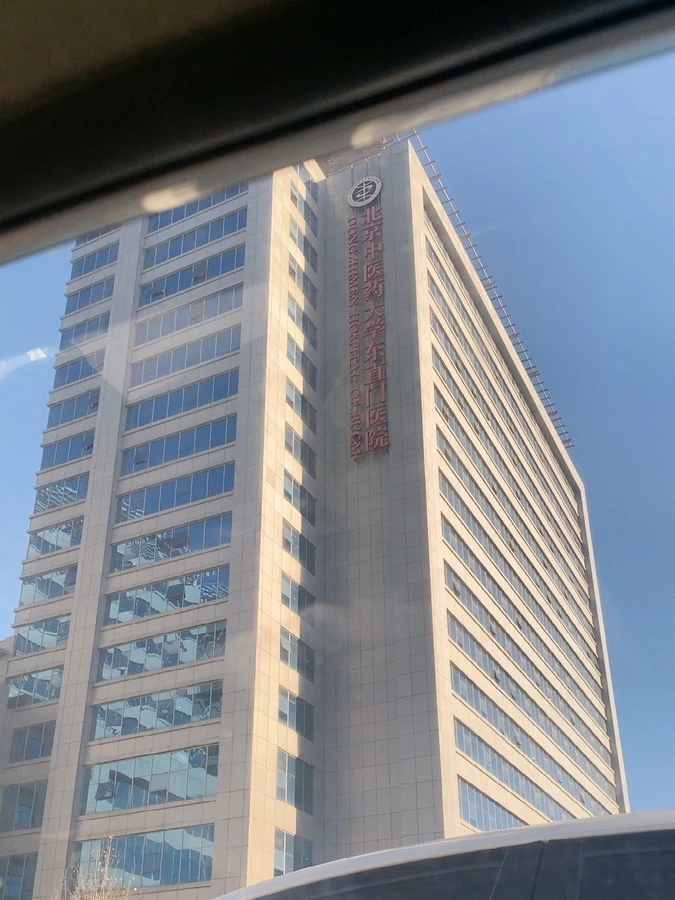
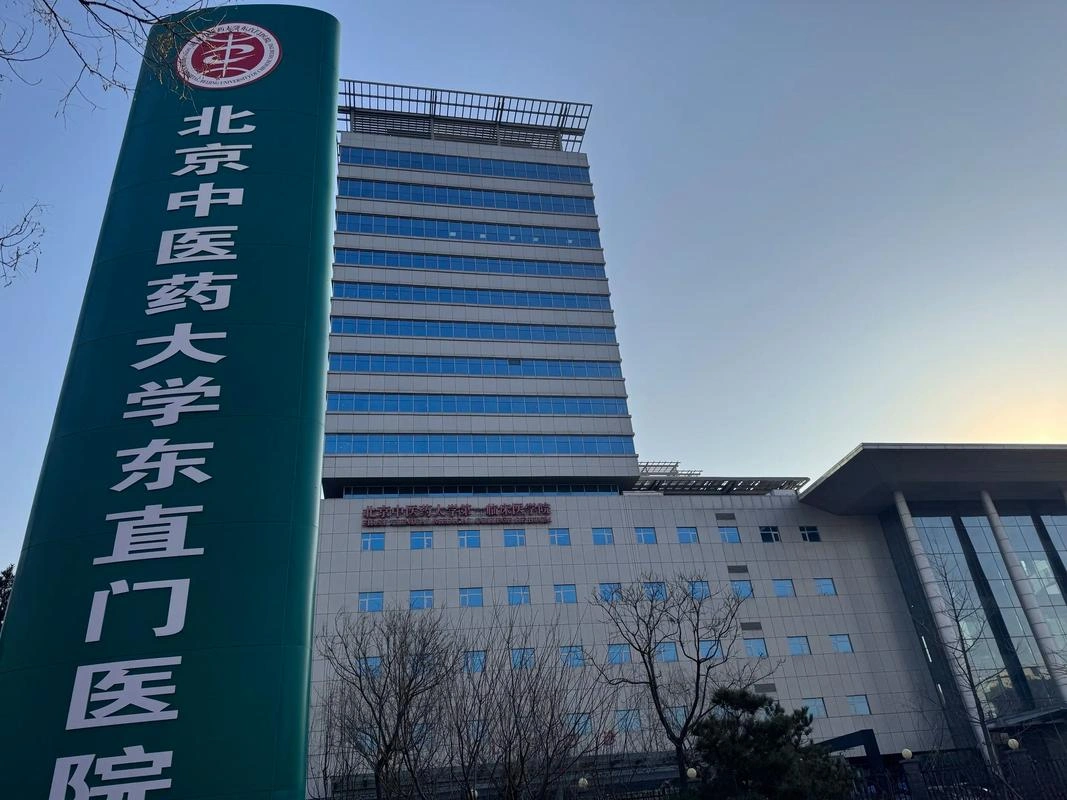
Dongzhimen Hospital, Beijing University of Chinese Medicine, established in 1958, serves as the First Clinical Medical College of Beijing University of Chinese Medicine—the only Chinese medicine university included in China's national "211 Project." As a large-scale comprehensive Grade 3A Chinese medicine hospital directly under the State Administration of Traditional Chinese Medicine, it holds the distinction of being among the first National Demonstration Chinese Medicine Hospitals and a National Chinese Medicine Clinical Research Base construction unit, undertaking national-level responsibilities for the inheritance and innovative development of traditional Chinese medicine. In 1991, the hospital pioneered the establishment of Kötztting Hospital in Germany—the first Chinese medicine hospital in Europe—becoming an important window for international Chinese medicine exchange and recorded in China-Germany diplomatic history. The hospital upholds the philosophy of "Patients First, Service Foremost" and follows the strategic approach of "Building through Distinctive Features, Strengthening through Talent, Prospering through Technology, and Shaping through Culture." Operating across two campuses and one international department—including Dongcheng Campus, Tongzhou Campus, and the International Department—the hospital has 862 open beds and 1,515 staff members. It features specialized departments including the Brain Disease Center, Cardiovascular Disease Center, and Nephrology-Endocrinology Department, with 6 national key clinical specialties and 16 key specialties under the State Administration of Traditional Chinese Medicine. The International Department officially opened in 2013 with a construction area of 13,409 square meters, positioning itself as "International, Chinese Studies, Chinese Medicine" and providing commercial insurance direct payment services. As an inheritance base for renowned Chinese medicine clinicians including Academician Wang Yongyan of the Chinese Academy of Engineering, the hospital has trained 2 academicians and has 11 doctoral supervisors and 17 master's supervisors, with a postdoctoral mobile station. The hospital has received numerous honors including the Model Unit for 40 Years of Reform and Opening-up Innovation and Development, Capital Spiritual Civilization Unit, Beijing Model Collective, Beijing Advanced Collective for Fighting COVID-19, and the 10th Batch of 20th Century Architectural Heritage. In 2025, the hospital signed a cooperation agreement with Huawei and was approved to establish the Traditional Chinese Medicine Standardization Research and Transformation Center.