Chinese People's Liberation Army General Hospital / PLA General Hospital / 301 Hospital
301医院
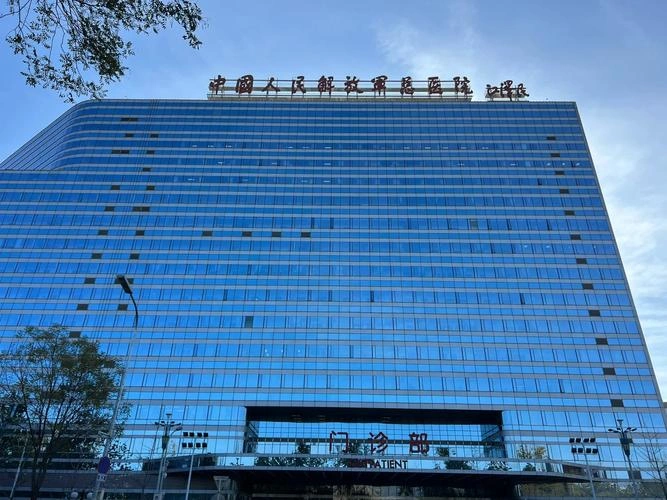
About the Hospital
The Chinese People's Liberation Army General Hospital (PLA General Hospital / 301 Hospital) was founded on August 5, 1953, under the personal care of founding leaders including Chairman Mao, Premier Zhou, and Commander-in-Chief Zhu. It is now a large-scale modern comprehensive hospital affiliated with the PLA Joint Logistics Support Force at the corps level. The hospital serves as a key central healthcare base, undertaking medical care for the Central Military Commission and headquarters personnel, as well as diagnosis and treatment of difficult and critical cases referred from various military regions. Upholding the values of "Loyalty and Sincerity, Excellence and Compassion," the hospital has developed significant advantages in critical care, targeted tumor therapy, geriatrics, orthopedics, and hepatobiliary surgery. It operates 165 clinical and medical technology departments, 233 nursing units, 8 national key disciplines, and 33 PLA medical specialty centers and research institutes, equipped with over 40,000 advanced medical devices. The International Medical Center occupies an independent 7-story building with 88 beds, providing membership-based premium healthcare services, multilingual medical record translation, cross-border remote consultation, and airport transfer assistance. As the PLA Medical College, it is the military's only hospital-based educational institution with 6 academicians and 184 doctoral supervisors. The hospital handles over 4.9 million outpatient visits and nearly 90,000 surgeries annually, has received 7 National Science and Technology Progress First Prizes, and has been recognized as an International Model Baby-Friendly Hospital and one of China's Top 100 Hospitals, with 2 staff members receiving the Florence Nightingale Medal.
Editorial notes
Visitor notes
Why this hospital may be relevant
PLA General Hospital (301 Hospital) is one of the most comprehensive military-affiliated teaching hospitals in China, with a long-established international department serving foreign nationals and diplomats. Its hepatobiliary surgery and orthopedics departments are recognized domestically, and it is one of the few Beijing hospitals whose international wing explicitly accepts self-paying international visitors.
Best suited for
- Visitors seeking hepatobiliary/pancreatic surgery or orthopedic care
- Those entering via Beijing Capital Airport (PEK) under 240h transit
- Patients who need a hospital with an established international department protocol
Before you go
- Verify appointment availability via the international department phone before booking flights
- Prepare passport, visa-free entry stamp, and any prior medical reports translated to English or Chinese
- Confirm payment method — this hospital accepts cash, WeChat/Alipay, and some international credit cards
What to verify directly
- Whether the specific specialist you need is available at the international wing or only the main hospital
- International department consultation hours and whether an interpreter is guaranteed
- Direct billing eligibility with your international insurance, if applicable
Visa & access
Beijing is a city-locked entry region under 240h transit. You cannot visit hospitals in Tianjin or Hebei with a Beijing entry. Plan your entire medical stay within Beijing municipality.
Note: This information is compiled from public hospital profiles and does not constitute a referral, recommendation, or guarantee of service availability. Always contact the hospital directly before making travel arrangements.